As a dedicated supplier of glass frosting chemicals, I've witnessed firsthand the transformative power these substances bring to the glass industry. Controlling the intensity of frosting is a nuanced art that combines science, technique, and a deep understanding of the glass frosting chemicals at play. In this blog post, I'll share insights and strategies on how to effectively manage and fine - tune the frosting intensity.
Understanding Glass Frosting Chemicals
Glass frosting chemicals work by etching the surface of the glass. The main active ingredients in most glass frosting chemicals are fluorides, such as sodium fluoride or ammonium bifluoride. When these chemicals come into contact with the glass surface, they react with the silicon dioxide (SiO₂) in the glass, breaking down the smooth surface layer and creating a rough, frosted appearance.
The reaction can be represented by a simplified chemical equation. For example, ammonium bifluoride (NH₄HF₂) reacts with silicon dioxide (SiO₂) as follows:
SiO₂ + 4NH₄HF₂ → SiF₄↑+ 4NH₃↑+ 2H₂O
This chemical reaction is the fundamental process behind glass frosting. By controlling the factors that influence this reaction, we can control the intensity of the frosting.
Factors Affecting Frosting Intensity
1. Concentration of the Frosting Chemical
The concentration of the glass frosting chemical solution is one of the most critical factors. A higher concentration of the frosting chemical will generally result in a more intense frosting effect. When the concentration is increased, there are more active molecules available to react with the glass surface. This leads to a more rapid and extensive etching of the glass, creating a deeper, more opaque frosted finish.
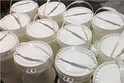
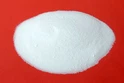
For example, if we are using a glass frosting powder for a bottle, dissolving more of the Glass Frosting Powder For Bottle in the solvent will increase the concentration of the active ingredients and enhance the frosting intensity. However, it's important to note that extremely high concentrations can sometimes lead to uneven frosting or damage to the glass surface.


2. Reaction Time
The duration that the glass is exposed to the frosting chemical also has a significant impact on the frosting intensity. Longer reaction times allow the chemical reaction to continue, resulting in a more pronounced frosted effect.
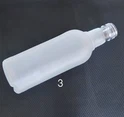
For instance, if you are frosting a wine bottle to achieve an Oil Sand Effect Glass Wine Bottle, you can start by applying the frosting chemical and then monitor the progress at regular intervals. If the initial frosting is not intense enough, you can carefully extend the reaction time, but always within a reasonable range to avoid over - etching.
3. Temperature
Temperature plays a crucial role in the chemical reaction between the frosting chemical and the glass. Generally, higher temperatures increase the rate of reaction. At elevated temperatures, the molecules in the chemical solution have more kinetic energy, which allows them to react more readily with the glass surface.
However, the temperature needs to be carefully controlled. If it is too high, the reaction may become too rapid and difficult to manage, leading to an uneven or overly aggressive frosting effect. For most glass frosting chemicals, a moderate temperature in the range of 20 - 30°C (68 - 86°F) is often ideal for achieving consistent and controllable frosting.
4. Glass Type and Quality
Different types of glass have varying compositions and surface properties, which can affect how they react with frosting chemicals. For example, soda - lime glass, which is commonly used in glassware and bottles, may react differently compared to borosilicate glass.
High - quality glass with a more uniform surface structure is likely to produce a more consistent frosting effect. When working with glassware to create a Glassware With Oil Sand Effect, choosing the right type of glass can make a significant difference in the final appearance.
Techniques for Controlling Frosting Intensity
1. Dilution and Mixing
One of the simplest ways to control the concentration of the frosting chemical is through proper dilution. Start by preparing a concentrated stock solution of the frosting chemical. Then, depending on the desired frosting intensity, you can dilute this stock solution with a suitable solvent, such as water or a specialized diluent.
It's essential to mix the solution thoroughly to ensure a uniform distribution of the active ingredients. Use a stirrer or other mixing equipment to achieve a homogenous solution, which will help in obtaining an even frosting effect.
2. Masking
Masking is a technique that allows you to selectively control which parts of the glass are frosted and to what intensity. You can use masking tapes, stencils, or other masking materials to cover the areas of the glass that you don't want to frost or to reduce the exposure of certain areas to the frosting chemical.
For example, if you want to create a pattern on a wine bottle, you can apply a stencil and then expose the unmasked areas to the frosting chemical. By adjusting the thickness or type of the masking material, you can also indirectly control the frosting intensity in the exposed areas.
3. Multiple Applications
If the initial frosting is not as intense as desired, you can apply multiple layers of the frosting chemical. After the first application and a short drying period, re - apply the frosting chemical to the glass surface. This can gradually build up the frosted effect, allowing for more precise control of the intensity.
However, be cautious when using this technique, as multiple applications may increase the risk of over - etching if not done correctly. It's important to monitor the progress between each application and make adjustments as needed.
Quality Control and Testing
To ensure consistent and accurate control of the frosting intensity, it's crucial to implement quality control measures and conduct regular testing.
1. Sampling
Before treating a large batch of glass products, it's advisable to conduct tests on small samples. Use the same glass type, frosting chemical, and application techniques as you plan to use for the full - scale production. This allows you to fine - tune the parameters and ensure that the desired frosting intensity is achieved.
2. Visual Inspection
After frosting, visually inspect the glass products for uniformity and intensity of the frosting. Look for any signs of uneven frosting, such as streaks, spots, or areas with different levels of opacity. If any issues are detected, adjust the process parameters accordingly.
3. Measurement Tools
In some cases, you can use measurement tools to quantify the frosting intensity. For example, a gloss meter can be used to measure the gloss level of the frosted glass surface. A lower gloss level indicates a more intense frosted effect. By regularly measuring the gloss level, you can monitor the consistency of the frosting process and make necessary adjustments.
Conclusion
Controlling the intensity of frosting with glass frosting chemicals is a multi - faceted process that requires a combination of knowledge, skill, and careful experimentation. By understanding the factors that affect frosting intensity, such as concentration, reaction time, temperature, and glass type, and by applying appropriate techniques like dilution, masking, and multiple applications, you can achieve the desired frosted effect on your glass products.
If you are in the glass industry and looking for high - quality glass frosting chemicals to achieve precise control over frosting intensity, we are here to help. Our range of glass frosting chemicals is designed to provide consistent and reliable results. Whether you are creating Oil Sand Effect Glass Wine Bottle, Glassware With Oil Sand Effect, or using Glass Frosting Powder For Bottle, we have the solutions you need. Contact us to start a discussion about your specific requirements and explore how our products can enhance your glass frosting processes.
References
- Smith, J. (2018). Chemistry of Glass Etching. Journal of Glass Science, 25(3), 123 - 135.
- Johnson, A. (2019). Advanced Techniques in Glass Frosting. Glass Industry Review, 40(2), 45 - 56.
- Brown, C. (2020). Quality Control in Glass Frosting Processes. Manufacturing Quality Journal, 15(4), 78 - 89.