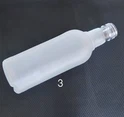
Hey there! I'm a supplier of Acid Etching For Glass, and I often get asked if acid etching for glass can be used on glass bottles. Well, the short answer is yes, but there's a lot more to it than that. In this blog post, I'll dive deep into the world of acid etching on glass bottles, sharing everything you need to know about the process, its benefits, and the products we offer.
Understanding Acid Etching for Glass Bottles
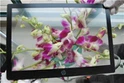
Acid etching is a technique that uses acidic substances to create a frosted or decorative effect on glass surfaces. When applied to glass bottles, it can transform a plain, ordinary container into a unique and eye-catching piece. The acid reacts with the silica in the glass, removing a thin layer and leaving behind a matte finish. This process not only adds a touch of elegance but also provides practical benefits, such as hiding fingerprints and scratches.
Why Choose Acid Etching for Glass Bottles?
There are several reasons why acid etching is a great choice for glass bottles. First and foremost, it offers a high level of customization. You can create intricate designs, logos, or patterns on the bottle, making it stand out from the competition. Whether you're a small business owner looking to brand your products or an artist looking to create a one-of-a-kind piece, acid etching gives you the freedom to express your creativity.
Another advantage of acid etching is its durability. Unlike other decorative techniques, such as printing or painting, acid etching is permanent. The design is actually etched into the glass, so it won't fade or wear off over time. This makes it ideal for products that will be exposed to the elements or handled frequently.
In addition to its aesthetic and durability benefits, acid etching also provides some practical advantages. For example, the frosted finish can help to reduce glare and make the bottle easier to read. It can also add a tactile element to the bottle, making it more appealing to the touch.
The Acid Etching Process for Glass Bottles
The acid etching process for glass bottles typically involves several steps. First, the bottle needs to be cleaned and dried thoroughly to remove any dirt, oil, or debris. This ensures that the acid will adhere to the glass evenly and produce a consistent finish.
Next, a resist is applied to the areas of the bottle that you don't want to be etched. The resist can be a stencil, a vinyl mask, or a special resist material. It acts as a barrier, preventing the acid from coming into contact with the protected areas of the glass.
Once the resist is in place, the bottle is submerged in a bath of acid. The type of acid used will depend on the desired effect and the type of glass. Hydrofluoric acid is a common choice for acid etching, as it is very effective at removing the silica from the glass. However, it is also extremely dangerous and requires careful handling. Other acids, such as sulfuric acid or phosphoric acid, can also be used, but they may not produce the same level of frosted effect.
The bottle is left in the acid bath for a specific amount of time, depending on the desired depth of the etching. This can range from a few seconds to several minutes. Once the etching is complete, the bottle is removed from the acid bath and rinsed thoroughly with water to neutralize the acid and remove any residue.
Finally, the resist is removed, and the bottle is dried. The etched design should now be visible on the glass, and the bottle can be further processed, such as polished or coated, if desired.
Our Acid Etching Products for Glass Bottles
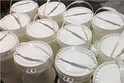
At our company, we offer a range of acid etching products specifically designed for glass bottles. One of our most popular products is the YK Glass Frosting Powder For Glass Bottles. This powder is easy to use and produces a consistent, high-quality frosted finish. It is suitable for use on all types of glass bottles, including clear, colored, and frosted glass.


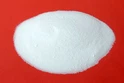
Another product we offer is the Glass Etching Powder (water-based). This powder is a safer and more environmentally friendly alternative to traditional acid etching methods. It is water-based, so it doesn't contain any harmful chemicals or fumes. It also produces a similar frosted effect to acid etching, but it is easier to control and less likely to damage the glass.
In addition to our powders, we also offer a range of acid etching supplies, such as stencils, masks, and applicators. These supplies make it easy to create custom designs and patterns on your glass bottles.
Tips for Acid Etching Glass Bottles
If you're new to acid etching, here are some tips to help you get started:
- Wear protective gear: Acid etching involves working with dangerous chemicals, so it's important to wear protective gear, such as gloves, goggles, and a respirator.
- Work in a well-ventilated area: Acid etching produces fumes that can be harmful if inhaled, so it's important to work in a well-ventilated area.
- Follow the instructions: Make sure you read and follow the instructions on the acid etching product carefully. This will ensure that you use the product safely and effectively.
- Practice on a test bottle: Before you start etching your final bottle, practice on a test bottle first. This will help you get used to the process and ensure that you get the desired effect.
- Be patient: Acid etching takes time, so be patient and don't rush the process. It may take several attempts to get the perfect design.
Conclusion
In conclusion, acid etching for glass can definitely be used on glass bottles. It's a versatile and effective technique that offers a high level of customization, durability, and practical benefits. Whether you're a small business owner, an artist, or just someone looking to add a personal touch to your glass bottles, acid etching is a great option.
If you're interested in learning more about our acid etching products for glass bottles, or if you have any questions or concerns, please contact us. We'd be happy to help you find the right product for your needs and provide you with any support or guidance you may need.
References
- "Glass Etching: Techniques and Tips." Glass Art Magazine.
- "Acid Etching Safety Guide." Chemical Safety Association.
- "The Science of Glass Etching." Journal of Glass Science and Technology.