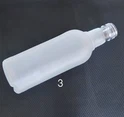
Can chemical etching of glass be used for creating glass art?
As a supplier specializing in the chemical etching of glass, I've witnessed firsthand the transformative power of this technique in the realm of glass art. Chemical etching is not just a process; it's an art form that allows artists and designers to turn ordinary glass into extraordinary masterpieces. In this blog, I'll delve into the potential of chemical etching for creating glass art, exploring its techniques, applications, and the materials we offer to support this creative endeavor.


Understanding Chemical Etching of Glass
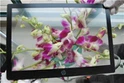
Chemical etching of glass involves using acidic or caustic substances to remove the surface layer of the glass, creating a frosted or textured effect. This process can be controlled to produce intricate designs, patterns, and even three - dimensional effects on the glass surface. Unlike mechanical methods such as sandblasting, chemical etching provides a smoother finish and greater precision, making it ideal for detailed and delicate designs.
The basic principle behind chemical etching is the reaction between the glass and the etching agent. Glass is primarily composed of silica, and certain chemicals, such as hydrofluoric acid or etching powders, can react with the silica to break down the glass structure. This reaction results in the removal of a thin layer of glass, leaving behind a frosted appearance. The rate and depth of the etching can be controlled by factors such as the concentration of the etching agent, the duration of the etching process, and the temperature.
Techniques in Chemical Etching for Glass Art
There are several techniques that artists can use when applying chemical etching to glass art. One of the most common methods is the resist technique. In this technique, a resist material, such as a vinyl stencil or a special etching resist paste, is applied to the glass surface in the desired pattern. The resist protects the areas of the glass that are not intended to be etched. Once the resist is in place, the glass is submerged in an etching solution or the etching powder is applied. After the etching process is complete, the resist is removed, revealing the etched design.
Another technique is the multi - layer etching. This involves applying multiple layers of resist and etching at different depths or with different patterns. By carefully planning and executing each layer, artists can create complex and visually stunning designs with varying levels of transparency and texture. For example, a first layer of etching can create a subtle background texture, while subsequent layers can add more detailed foreground elements.
Applications of Chemical Etching in Glass Art
The applications of chemical etching in glass art are vast and diverse. One of the most popular applications is in the creation of decorative glass panels. These panels can be used in interior design, such as in doors, windows, or partitions. Chemical etching allows for the creation of unique and personalized designs that can enhance the aesthetic appeal of any space. For instance, a geometric pattern etched on a glass partition can add a modern and sophisticated touch to an office lobby.
Etched glass is also commonly used in the production of glassware, such as wine glasses, vases, and bowls. Artists can etch logos, monograms, or intricate floral designs on these items, making them not only functional but also works of art. In the world of jewelry, chemical etching can be used to create delicate glass pendants or earrings with detailed patterns.
In the field of public art, chemical - etched glass can be used to create large - scale installations. These installations can be found in museums, galleries, and public buildings, where they serve as focal points and engage the viewers with their beauty and complexity.
Our Products for Chemical Etching of Glass
As a supplier, we offer a range of products specifically designed for chemical etching of glass. Our Chemical Etching for Glass solutions are formulated to provide consistent and high - quality results. These solutions are carefully balanced to ensure the right level of reactivity with the glass, allowing for precise control over the etching process.
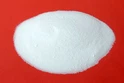
Our Etching Powder for Glass is another popular product. It is easy to use and can be mixed with water to create an etching solution. The powder is available in different grades, allowing artists to choose the one that best suits their specific needs, whether it's for a light frosting or a deep etching.
For those looking for a specialized product, our AG GALSS ETCING POWDER FOR ACID ETCHING GLASS PRODUCTION is a great option. This powder is designed for high - volume production and provides excellent results in terms of uniformity and durability.
Advantages of Using Our Products
One of the main advantages of using our products is the quality and consistency. We source the highest - quality raw materials and use strict quality control measures during the manufacturing process. This ensures that every batch of our etching products performs consistently, allowing artists to achieve the same high - quality results every time.
Our products are also safe and easy to use. We understand that working with chemical etching agents can be potentially hazardous, so we have formulated our products to minimize the risks. Our instructions provide clear guidelines on how to handle and use the products safely, including proper ventilation and protective equipment.
In addition, we offer excellent customer support. Our team of experts is always available to answer any questions that artists may have about the chemical etching process, product selection, or troubleshooting. We believe in building long - term relationships with our customers and providing them with the support they need to succeed in their glass art projects.
Conclusion
In conclusion, chemical etching of glass is a powerful and versatile technique for creating glass art. It offers artists the ability to create intricate designs, textures, and effects that are not possible with other methods. Whether it's for decorative panels, glassware, jewelry, or public art installations, chemical etching can add a unique and personalized touch to any glass art project.
As a supplier of chemical etching products for glass, we are committed to providing high - quality materials and excellent customer support. Our range of products, including Chemical Etching for Glass, Etching Powder for Glass, and AG GALSS ETCING POWDER FOR ACID ETCHING GLASS PRODUCTION, is designed to meet the diverse needs of artists and designers.
If you are an artist or a designer interested in exploring the world of chemical etching for glass art, we invite you to contact us. We would be more than happy to discuss your project requirements, provide product samples, and assist you in finding the right solutions for your creative endeavors. Let's work together to turn your glass art visions into reality.
References
- Jones, A. (2018). The Art of Glass Etching. London: Glass Art Press.
- Smith, B. (2020). Chemical Processes in Glass Manufacturing and Art. New York: Science of Glass Publications.
- Brown, C. (2019). Innovative Techniques in Glass Art. Sydney: Artistic Glass Books.