What is the Precision of Chemical Etching for Glass?
As a supplier specializing in chemical etching for glass, I often encounter inquiries about the precision of this process. Chemical etching, also known as chemical milling or micro - machining, is a subtractive manufacturing process that uses chemical solutions to remove material from a glass surface. It offers unique advantages in terms of precision, especially when compared to traditional mechanical methods.

Understanding the Basics of Chemical Etching for Glass
Chemical etching for glass involves the use of specific chemicals to react with the glass surface and dissolve it in a controlled manner. The process starts with the preparation of the glass substrate. A resist material is applied to the areas of the glass that should not be etched. This resist acts as a protective barrier, allowing the etchant to only attack the exposed areas.
The choice of etchant is crucial. Hydrofluoric acid (HF) is one of the most commonly used etchants for glass due to its strong reactivity with silica, the main component of most glasses. However, HF is extremely dangerous and requires strict safety precautions. Other etchants, such as buffered oxide etchants (BOE), which are a mixture of hydrofluoric acid and ammonium fluoride, can also be used. They offer a more controlled etching rate and are less aggressive than pure HF.
Factors Affecting the Precision of Chemical Etching
-
Etchant Concentration and Temperature
The concentration of the etchant has a direct impact on the etching rate. Higher concentrations generally lead to faster etching, but they can also make it more difficult to control the process precisely. For example, if the etchant is too concentrated, it may cause over - etching in some areas, resulting in a non - uniform surface. Temperature also plays a significant role. An increase in temperature typically accelerates the chemical reaction, increasing the etching rate. By carefully controlling the etchant concentration and temperature, we can achieve a more precise etching process. -
Resist Quality and Pattern Design
The quality of the resist material is essential for precision etching. A good resist should adhere well to the glass surface, be chemically resistant to the etchant, and have high resolution for pattern transfer. The design of the resist pattern also affects the final precision. Complex patterns with small features require a high - resolution resist and a precise patterning process, such as photolithography. Photolithography uses light to transfer a pattern from a mask to the resist, allowing for very fine and accurate patterns. -
Etching Time
Etching time is another critical factor. Over - etching can occur if the glass is left in the etchant for too long, leading to loss of dimensional accuracy and surface roughness. On the other hand, under - etching results in incomplete removal of the glass material. Therefore, determining the optimal etching time based on the etchant properties, glass type, and desired etch depth is crucial for achieving high precision.
Measuring the Precision of Chemical Etching for Glass
The precision of chemical etching can be measured in several ways. One common method is to measure the etch depth. This can be done using profilometers, which scan the surface of the glass and provide a profile of the etched area. The etch depth should be consistent across the entire etched area, and any variation indicates a lack of precision.
Another aspect of precision is the dimensional accuracy of the etched features. For example, if we are etching a pattern of holes or lines on the glass, the size and shape of these features should match the design specifications. Optical microscopy and scanning electron microscopy (SEM) can be used to measure the dimensions of the etched features with high accuracy.
Applications and the Need for Precision
Chemical etching for glass has a wide range of applications, each with different precision requirements.
-
Microfluidic Devices
In the field of microfluidics, glass is often used to fabricate channels and chambers for fluid handling. These devices require high precision to ensure accurate fluid flow and mixing. For example, the width and depth of the microchannels need to be precisely controlled to achieve the desired flow rates and pressure drops. Chemical etching can produce microchannels with dimensions in the micrometer range, making it an ideal manufacturing method for microfluidic devices. -
Display Technology
In display technology, glass substrates are used for various applications, such as liquid crystal displays (LCDs) and organic light - emitting diode (OLED) displays. Chemical etching can be used to create patterns on the glass for electrodes, alignment layers, and other components. High precision is required to ensure the proper functioning of the display, such as uniform brightness and contrast. -
Decorative Glass
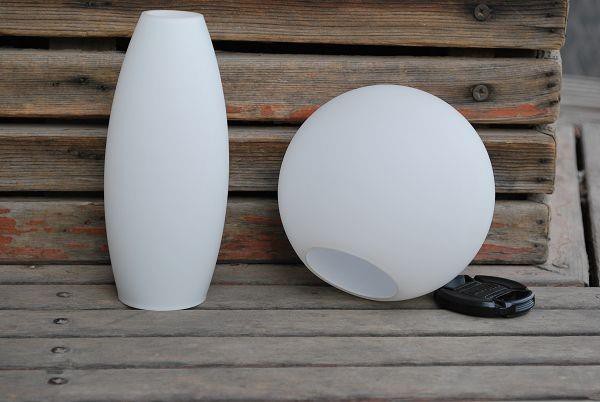
Even in decorative glass applications, precision is important. For example, when creating intricate patterns on glass bottles or panels, the sharpness and accuracy of the etched design determine the aesthetic quality of the final product. The Material Used for Glass Etching page on our website provides more information about the materials suitable for different decorative glass etching projects.
Our Expertise as a Glass Etching Supplier
As a supplier, we have extensive experience in chemical etching for glass. We use state - of - the - art equipment and high - quality materials to ensure the highest level of precision in our etching processes. Our team of experts carefully controls every step of the process, from resist application to etchant selection and etching time.
We offer a variety of glass etching products, such as the Lime Soda Peach Drink Bottle Beverage Glass Bottle Wine Bottle With Special Efection and YK Glass Frosting Powder For Glass Bottles. These products are designed to meet the diverse needs of our customers, whether for industrial applications or decorative purposes.
Contact Us for Your Glass Etching Needs
If you are looking for high - precision chemical etching for glass, we are here to help. Our team can work with you to understand your specific requirements and provide customized solutions. Whether you need a small - scale prototype or a large - scale production run, we have the capabilities to deliver high - quality products. Contact us to start a discussion about your glass etching project and explore how we can meet your needs.
References
- "Microfabrication Technology: Principles and Applications" by Madou, Marc J.
- "Handbook of Glass Etching" by various authors, which provides in - depth knowledge about the chemical processes and techniques involved in glass etching.
- Research papers on glass etching published in scientific journals such as "Journal of Non - Crystalline Solids" and "Thin Solid Films", which discuss the latest advancements in precision glass etching.