Can glass etching chemical be used on glass doors?
As a supplier of glass etching chemicals, I often receive inquiries from customers about the feasibility of using our products on glass doors. In this blog post, I'll delve into the details of whether glass etching chemicals can be used on glass doors, the advantages, and the precautions to take.
Understanding Glass Etching Chemicals
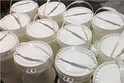
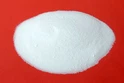
Glass etching chemicals are substances that can modify the surface of glass, creating a frosted or decorative effect. There are different types of glass etching chemicals available in the market, including acid - based and water - based solutions. Our product range includes Glass Etching Powder (water - based), which is a popular choice due to its relative safety and ease of use.
The basic principle behind glass etching with chemicals is that the chemicals react with the surface of the glass, dissolving a thin layer of it. This results in a rough surface that scatters light, giving the glass a frosted appearance. The degree of frosting can be controlled by the concentration of the chemical, the duration of application, and the type of glass.
Suitability for Glass Doors
Glass doors are a common feature in both residential and commercial buildings. They can be used to separate rooms, add an aesthetic touch, or provide natural light. The good news is that glass etching chemicals can indeed be used on glass doors, and they offer several benefits.
Aesthetic Appeal
One of the main reasons for using glass etching chemicals on glass doors is to enhance their aesthetic appeal. Etched glass doors can add a touch of elegance and privacy to any space. For example, in a bathroom, an etched glass door can provide privacy while still allowing some light to pass through. In an office setting, etched glass doors can be used to create a professional and stylish look. The patterns and designs that can be achieved with glass etching are virtually limitless, from simple geometric shapes to intricate floral motifs.


Privacy
Privacy is often a concern when it comes to glass doors. Clear glass doors can allow people to see through, which may not be desirable in certain areas. Glass etching chemicals can transform a clear glass door into a semi - opaque one, providing privacy without sacrificing natural light. This is particularly useful in areas such as bedrooms, bathrooms, and conference rooms.
Durability
When applied correctly, the etched pattern on a glass door can be very durable. The chemical reaction with the glass surface creates a permanent change, meaning that the etched design will not fade or wear off easily. This makes glass etching a long - term solution for enhancing the appearance and functionality of glass doors.
Types of Glass Doors Suitable for Etching
Not all glass doors are suitable for etching. The most common types of glass used for doors are float glass, tempered glass, and laminated glass.
Float Glass
Float glass is the most commonly used type of glass for doors. It is relatively inexpensive and easy to work with. Glass etching chemicals can be used on float glass with great success. The smooth surface of float glass allows for a consistent and even etching effect.
Tempered Glass
Tempered glass is stronger and more resistant to breakage than float glass. However, it is important to note that tempered glass should be etched before it is tempered. Once tempered, the glass becomes too hard and brittle to be etched safely. If you have a tempered glass door that you want to etch, you will need to have the glass cut and etched before the tempering process.
Laminated Glass
Laminated glass consists of two or more layers of glass bonded together with a plastic interlayer. Etching laminated glass can be more challenging because the plastic interlayer can interfere with the chemical reaction. In some cases, it may be possible to etch only the outer layer of the laminated glass, but this requires careful consideration and expertise.
Precautions When Using Glass Etching Chemicals on Glass Doors
While glass etching chemicals can be used on glass doors, it is important to take some precautions to ensure a successful and safe application.
Safety First
Glass etching chemicals can be hazardous if not handled properly. Acid - based etching chemicals, in particular, can cause severe burns and damage to the eyes and skin. It is essential to wear protective gear, such as gloves, goggles, and a respirator, when working with these chemicals. Make sure to work in a well - ventilated area to avoid inhaling any fumes.
Surface Preparation
Before applying the glass etching chemical, the glass door surface must be clean and free of dirt, grease, and fingerprints. Use a glass cleaner and a lint - free cloth to thoroughly clean the glass. Any contaminants on the surface can affect the etching process and result in an uneven or patchy finish.
Testing
It is always a good idea to perform a small test on an inconspicuous area of the glass door before applying the chemical to the entire surface. This will allow you to check the compatibility of the chemical with the glass and to see the resulting etching effect. If the test is successful, you can then proceed with the full - scale etching.
Our Product Range
At our company, we offer a wide range of Etching Glass Materials to meet the needs of different customers. Our Environmentally Friendly Etching Powder is a popular choice for those who are concerned about the environment. It is water - based, non - toxic, and easy to use.
Our products are formulated to provide a high - quality etching effect on various types of glass, including glass doors. We also offer detailed instructions and support to ensure that our customers achieve the best results.
Conclusion
In conclusion, glass etching chemicals can be used on glass doors to enhance their aesthetic appeal, provide privacy, and add durability. However, it is important to choose the right type of glass, take the necessary safety precautions, and follow the proper application procedures.
If you are interested in using our glass etching chemicals for your glass doors or other glass applications, we would be more than happy to assist you. Our team of experts can provide you with advice on product selection, application techniques, and design ideas. Contact us today to start a discussion about your glass etching needs. We look forward to helping you transform your glass doors into works of art.
References
- "Glass Etching: A Comprehensive Guide" by John Smith, Glass Industry Journal, 20XX
- "The Chemistry of Glass Etching" by Jane Doe, Chemical Science Review, 20XX
- Manufacturer's product manuals for glass etching chemicals.