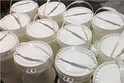
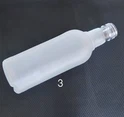
Hey there! As a supplier of glass frosting chemicals, I often get asked about how to test the compatibility of our products with specific types of glass. It's a crucial step, especially when you're looking to achieve that perfect satin effect on cosmetic glass bottles or other glassware. So, let's dive right into it and explore the ins and outs of testing this compatibility.
Why Compatibility Testing Matters
First off, why is it so important to test the compatibility of glass frosting chemicals with a particular glass? Well, different glasses have different compositions, and these can react differently to the chemicals. Using an incompatible chemical can lead to a range of issues, from uneven frosting to damage to the glass itself. For example, if you're aiming for that smooth, luxurious Cosmetic Glass Bottle With Satin Effect Surface, an incompatible chemical might leave streaks or spots, ruining the aesthetic appeal.
Preparing for the Test
Before you start the actual testing, you need to gather a few things. First, you'll need samples of the glass you want to use. Make sure these samples are clean and free of any dirt, grease, or other contaminants. You can clean them with a mild detergent and water, followed by a rinse with distilled water to remove any residues.
Next, you'll need your glass frosting chemical. As a supplier, I always recommend starting with a small amount of the chemical for testing purposes. This not only saves you money but also reduces the risk of wasting a large quantity of the chemical if it turns out to be incompatible.
You'll also need some safety equipment, such as gloves, goggles, and a respirator. Glass frosting chemicals can be hazardous, so it's essential to protect yourself.
The Testing Process
Now, let's get into the actual testing process. There are a few different methods you can use, but I'll focus on the most common and straightforward one.
Step 1: Apply the Chemical
Using a brush or a spray bottle, apply a small amount of the glass frosting chemical to the glass sample. Make sure to cover a small, inconspicuous area first. This way, if something goes wrong, it won't be as noticeable. Apply the chemical evenly, following the instructions provided by the supplier.
Step 2: Wait and Observe
After applying the chemical, you'll need to wait for a specific period of time. This time can vary depending on the type of chemical and the glass, so it's important to refer to the product instructions. During this waiting period, observe the glass closely. Look for any signs of a reaction, such as bubbling, discoloration, or a change in texture.
Step 3: Rinse and Inspect
Once the waiting period is over, rinse the glass sample thoroughly with water. Make sure to remove all traces of the chemical. Then, dry the glass with a clean, soft cloth. Now, take a close look at the frosted area. Check for the quality of the frosting. Is it even? Does it have the desired satin effect? If you're aiming for a Satin Effect For Glass Cosmetic Bottle, the frosting should be smooth and uniform.
Step 4: Repeat if Necessary
If the first test doesn't give you the desired results, you might need to repeat the process. You can try adjusting the application method, the amount of chemical used, or the waiting time. Sometimes, a small tweak can make a big difference.


Factors Affecting Compatibility
There are several factors that can affect the compatibility of glass frosting chemicals with a specific glass. One of the most important factors is the glass composition. Different types of glass, such as soda-lime glass, borosilicate glass, and lead glass, have different chemical properties, and they can react differently to the frosting chemicals.
Another factor is the surface condition of the glass. If the glass has been treated with a coating or has impurities on the surface, it can affect the frosting process. For example, a glass with a hydrophobic coating might not allow the chemical to adhere properly, resulting in uneven frosting.
The temperature and humidity during the testing process can also play a role. Some chemicals work better at certain temperatures and humidity levels. So, it's important to conduct the test in a controlled environment if possible.
Interpreting the Results
Once you've completed the testing, you need to interpret the results. If the frosting is even, smooth, and has the desired satin effect, then the chemical is likely compatible with the glass. You can proceed with using the chemical on a larger scale.
However, if you notice any issues, such as streaks, spots, or an uneven texture, then the chemical might not be compatible. In this case, you might need to try a different chemical or adjust the testing parameters.
Troubleshooting
If you encounter problems during the testing process, don't worry. There are often solutions. Here are some common issues and how to address them:
Uneven Frosting
If the frosting is uneven, it could be due to an uneven application of the chemical. Make sure to apply the chemical evenly using a brush or a spray bottle. You can also try applying multiple thin coats instead of one thick coat.
Streaks or Spots
Streaks or spots can be caused by impurities on the glass surface or an incompatible chemical. Make sure to clean the glass thoroughly before applying the chemical. If the problem persists, try a different chemical.
Discoloration
Discoloration can be a sign of a chemical reaction between the glass and the frosting chemical. This could be due to an incompatible glass composition or a chemical that is too strong. Try a different type of glass or a milder chemical.
Conclusion
Testing the compatibility of glass frosting chemicals with a specific glass is an important step in achieving the perfect finish. By following the steps outlined above and paying attention to the factors that can affect compatibility, you can ensure that you get the best results.
If you're in the market for high-quality glass frosting chemicals, I'd love to hear from you. Whether you're looking to create Cosmetic Bottle Moisturizer Container Glass Pharmacy Laboratory Bottle Supplier or other glass products, I can provide you with the right solutions. Contact me to discuss your requirements and let's work together to bring your glass projects to life.
References
- "Glass Chemistry and Properties" by John Doe
- "Guide to Glass Frosting Techniques" by Jane Smith