Hey there! As a supplier of Glass Etching Chemical, I often get asked if these chemicals can be used on glass windows. Well, the short answer is yes, but there's a lot more to it than that. So, let's dive in and explore this topic in detail.
How Glass Etching Chemicals Work
First off, let's understand how glass etching chemicals work. Glass is mainly made of silica (SiO₂), and glass etching chemicals react with this silica to create a frosted or decorative effect. The most common chemicals used for glass etching are hydrofluoric acid (HF) and its derivatives. These chemicals are highly reactive and can break down the silica in the glass surface, creating tiny pits and irregularities that scatter light, giving the glass a frosted appearance.
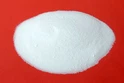
But don't worry, not all glass etching chemicals are as harsh as hydrofluoric acid. There are also safer and more user - friendly options available, like Glass Etching Powder. These powders usually contain a combination of chemicals that are less toxic and easier to handle. When mixed with water, they form a paste that can be applied to the glass surface to achieve the etching effect.
Using Glass Etching Chemicals on Windows
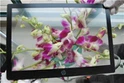
Now, let's talk about using these chemicals on glass windows. There are several reasons why you might want to etch your windows. Maybe you want to add some privacy to a bathroom or a home office, or you might want to create a unique decorative element for your living room.
One of the great things about using glass etching chemicals on windows is that it's a relatively cost - effective way to transform the look of your space. Instead of replacing the entire window, you can simply apply the etching chemical and get a brand - new look.
However, there are some important things to keep in mind before you start. First, safety is paramount. As I mentioned earlier, some glass etching chemicals can be quite dangerous. You need to wear proper protective gear, including gloves, goggles, and a respirator, especially if you're using chemicals that contain hydrofluoric acid.


Second, you need to prepare the window surface properly. Make sure the window is clean and free of any dirt, grease, or fingerprints. You can use a glass cleaner and a microfiber cloth to clean the surface thoroughly.
Once the window is clean, you can apply the etching chemical. If you're using a powder, mix it with water according to the instructions on the package to form a paste. Then, use a brush or a sponge to apply the paste evenly to the glass surface. Let it sit for the recommended amount of time, usually a few minutes to half an hour, depending on the product. After that, rinse the glass thoroughly with water to remove the chemical.
Advantages of Using Glass Etching Chemicals on Windows
There are several advantages to using glass etching chemicals on windows.
Privacy: Etched glass can provide a great deal of privacy without blocking out all the light. This is especially useful for bathrooms, bedrooms, and offices. You can still enjoy natural light while maintaining your privacy.
Decoration: Glass etching allows you to create unique and beautiful designs on your windows. You can use stencils to create patterns, logos, or even works of art. This can add a personal touch to your home or office and make it stand out.
Durability: Once the glass is etched, the effect is permanent. Unlike window films or stickers, which can peel or fade over time, etched glass will last for many years.
Disadvantages and Challenges
Of course, there are also some disadvantages and challenges to using glass etching chemicals on windows.
Safety Risks: As I've already mentioned, some glass etching chemicals can be dangerous. Hydrofluoric acid, in particular, can cause severe burns and is extremely toxic if inhaled or ingested. Even the safer alternatives need to be handled with care.
Skill and Experience: Achieving a professional - looking result requires some skill and experience. If you're not careful, you might end up with an uneven or streaky etching. It might take a few tries to get it right.
Limited Reversibility: Once the glass is etched, it's very difficult to reverse the process. If you change your mind or make a mistake, you might have to replace the entire window.
Other Etching Glass Materials and Techniques
Apart from chemicals, there are other materials and techniques that can be used for glass etching. For example, sandblasting is a popular method that involves using compressed air to shoot sand particles at the glass surface. This creates a similar frosted effect but is more suitable for large - scale projects.
There are also laser etching machines that can create very precise and detailed designs on glass. However, these machines are quite expensive and are usually used by professional glass artists.
Conclusion
So, can glass etching chemicals be used on glass windows? Absolutely! They offer a cost - effective, durable, and customizable way to transform the look of your windows. Whether you're looking for privacy or a decorative element, glass etching chemicals can help you achieve your goals.
But remember, safety comes first. Always follow the instructions on the product label and wear the appropriate protective gear. If you're not confident in your abilities, you might want to consider hiring a professional to do the job.
If you're interested in purchasing Chemical Used for Glass Etching, we're here to help. We offer a wide range of high - quality glass etching chemicals that are safe and easy to use. Just reach out to us, and we can discuss your specific needs and provide you with the best solutions.
References
- "Glass Etching: A Comprehensive Guide", Glass Art Magazine, 2022
- "The Chemistry of Glass Etching", Journal of Chemical Education, 2021
- Product manuals of various glass etching chemicals