Hey there! As a supplier of Frosted Glass Material, I often get asked about the difference between frosted glass material and etched glass. It's a common question, and I'm here to break it down for you in a way that's easy to understand.
Let's start with frosted glass material. Frosted glass is created by treating the surface of regular glass to make it translucent. This treatment diffuses light, so you can't see clearly through the glass, but it still allows light to pass through. There are a few ways to create frosted glass. One of the most common methods is using a chemical etching process, where a special acid or abrasive material is applied to the glass surface. This roughens the surface, scattering the light and giving it that characteristic frosted look.
Another way to achieve the frosted effect is through sandblasting. In sandblasting, tiny particles of sand or other abrasives are propelled at high speed onto the glass surface. This also creates a rough texture that scatters light. The advantage of sandblasting is that you can control the intensity of the frosting by adjusting the pressure and the type of abrasive used.
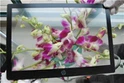
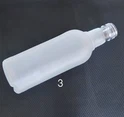
Frosted glass has a lot of practical uses. It's great for privacy in areas like bathrooms, offices, and conference rooms. You can still let in natural light, but people can't see clearly through the glass. It's also used in decorative applications, like Oil Sand Effect Colored Glass Vase. The frosted finish adds a touch of elegance and softness to the glassware.
Now, let's talk about etched glass. Etched glass is also a form of treated glass, but it's a bit different from frosted glass. Etching involves using a chemical or mechanical process to remove a thin layer of the glass surface, creating a permanent design or pattern. Unlike frosted glass, which usually has a uniform, smooth - looking finish, etched glass can have detailed designs, from simple geometric shapes to intricate works of art.
Chemical etching is often used for more detailed designs. A resist material is applied to the glass in the shape of the desired design. Then, an acid is applied to the exposed areas of the glass, which eats away at the glass surface. Once the acid is removed and the resist is peeled off, the design is left behind.
Mechanical etching, on the other hand, uses tools like diamond - tipped cutters or lasers to physically remove the glass surface. This method is great for creating precise, sharp - edged designs.
Etched glass is commonly used for decorative purposes. You'll often see it in high - end restaurants, hotels, and homes as wall art, partitions, or even on glass doors. It can also be used for signage, adding a professional and stylish touch. For example, Oil Sand Effect Glass Cup with an etched design can make for a unique and eye - catching drinking vessel.
So, what are the main differences between frosted glass material and etched glass?
Appearance
Frosted glass has a more uniform, diffused look. It's like a soft, hazy curtain that lets light through but obscures the view. Etched glass, on the other hand, has distinct patterns or designs. The etched areas stand out from the rest of the glass, creating a visual contrast.


Function
Frosted glass is mainly used for privacy and light diffusion. It's great for areas where you want to let in light but keep your activities private. Etched glass, while it can also be used for privacy to some extent, is more focused on decoration. It adds an artistic element to any space.
Cost
The cost of frosted glass and etched glass can vary depending on the method of production and the complexity of the design. Generally, frosted glass is more affordable, especially for large - scale applications. Etched glass, especially if it has a detailed and custom - made design, can be more expensive due to the labor - intensive process involved.
Durability
Both frosted glass and etched glass are quite durable. However, the etched areas of etched glass may be slightly more prone to damage if scratched or bumped. Frosted glass, with its more uniform surface treatment, is generally more resistant to minor scratches.
If you're in the market for glass products, whether it's for privacy, decoration, or any other purpose, it's important to understand the differences between frosted glass material and etched glass. As a supplier of Frosted Glass Material, I can offer a wide range of options to meet your needs.
We have different levels of frosting, from a light, almost transparent frosting to a heavy, opaque finish. And if you're interested in something a bit more decorative, we can also work with you to create custom - etched designs on our frosted glass products.
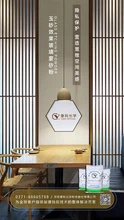
You Can Always Find Satin Effect At Store is just one example of the unique finishes we can offer. Our satin - like frosted glass gives a luxurious and smooth look that's perfect for high - end applications.
Whether you're an interior designer looking for the perfect glass element for your next project, a homeowner wanting to add some privacy to your bathroom, or a business owner in need of stylish signage, I'm here to help.
If you're interested in learning more about our Frosted Glass Material or want to discuss a custom project, don't hesitate to reach out. We can provide samples, discuss pricing, and work with you to find the best solution for your needs. Let's start a conversation and see how we can bring your glass ideas to life!
References
- "Glass Processing Handbook" - A comprehensive guide on different glass treatment methods.
- "Decorative Glass Applications" - A book that explores the various uses of frosted and etched glass in interior design.