Hey there! As a supplier of Glass Etching Materials, I often get asked a bunch of questions about what our products can and can't do. One question that pops up quite a bit is, "Can glass etching materials be used on glass fish tanks?" Well, let's dive right into it and find out.
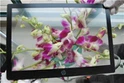
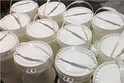
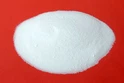
First off, let's talk a bit about what glass etching materials are. We've got some cool stuff in our catalog, like Glass Etching Powder (water-based). This powder is water-based, which means it's a bit more user - friendly and less harsh compared to some other options. Then there's the Satinal Substance for Glass Etching, which gives a really smooth and satiny finish to the glass. And don't forget about the Material For Frosted Glass Decoration, perfect for creating that trendy frosted look.
Now, back to the fish tank question. The short answer is, it depends. There are a few things you need to consider before you start etching your fish tank.


Safety for the Fish
The most important thing when it comes to using glass etching materials on a fish tank is the safety of the fish. Some etching materials contain chemicals that can be toxic to fish. For example, certain acids or strong solvents in some etching products can leach into the water and harm the fish. So, if you're going to use an etching material, you need to make sure it's non - toxic and won't contaminate the water.
Our water - based Glass Etching Powder is a great option here. Since it's water - based, it generally has fewer harsh chemicals. But even with this product, you need to take precautions. After etching, you should thoroughly rinse the tank. I'm talking about multiple rinses, letting the water sit in the tank for a while, and then draining it out a few times. This helps to make sure that any residual etching material is removed from the glass surface.
Structural Integrity of the Tank
Another thing to think about is the structural integrity of the fish tank. Etching can weaken the glass to some extent. When you etch the glass, you're essentially removing a thin layer of it. This can make the glass more prone to cracks and breaks, especially if the tank is under pressure from the water or if it gets bumped.
If your fish tank is an old one or already has some minor scratches or weak spots, etching it might not be a good idea. On the other hand, if it's a brand - new, high - quality tank, the risk is a bit lower. But still, you should be careful. You don't want to end up with a leaky tank because the glass cracked after etching.
Aesthetics and Visibility
Etching can give your fish tank a really unique and cool look. You can create all sorts of designs, from simple patterns to elaborate pictures. But you also need to think about how the etching will affect your ability to see the fish.
If you go for a heavy - duty frosted look using the Material For Frosted Glass Decoration, it might be harder to see the fish clearly. This could be a problem if you enjoy watching your fish swim around. A lighter etching or a more detailed design might be a better choice if you want both aesthetics and good visibility.
How to Etch a Fish Tank Safely
If you've decided that you want to go ahead and etch your fish tank, here's a step - by - step guide on how to do it safely:
- Prepare the Tank: Empty the tank of all water and remove the fish to a temporary holding tank. Make sure the glass is clean and dry.
- Choose the Right Material: As I mentioned earlier, go for a non - toxic option like our water - based Glass Etching Powder.
- Create a Stencil: If you want a specific design, create a stencil using a material like vinyl. Stick the stencil to the glass where you want to etch.
- Apply the Etching Material: Follow the instructions on the product carefully. Usually, you'll need to mix the powder with water to form a paste and then apply it to the exposed glass using a brush.
- Let it Sit: Let the etching material sit on the glass for the recommended amount of time. This can vary depending on the product.
- Rinse Thoroughly: After the etching is done, rinse the tank multiple times. Let the water sit in the tank for a few hours between rinses to make sure all the chemicals are removed.
- Test the Water: Before putting the fish back in, test the water for any signs of chemicals or changes in pH. You can use a water testing kit for this.
Conclusion
So, can glass etching materials be used on glass fish tanks? Yes, they can, but with a lot of caution. You need to prioritize the safety of the fish, consider the structural integrity of the tank, and think about the aesthetics and visibility.
If you're interested in trying out our glass etching materials for your fish tank or any other glass project, we'd love to hear from you. Whether you have questions about the products, need help choosing the right one, or want to place an order, feel free to reach out. We're here to assist you in making your glass projects a success.
References
- General knowledge about fish tank safety and glass etching
- Product specifications of our Glass Etching Powder, Satinal Substance for Glass Etching, and Material For Frosted Glass Decoration