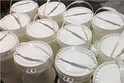
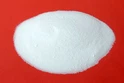
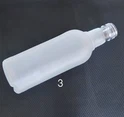
As a supplier of glass frosting chemicals, I often receive inquiries from customers about the compatibility of our products with colored glass. This topic is not only intriguing but also holds significant value for various industries, from home decor to cosmetics packaging. In this blog, I will delve into the question: Can glass frosting chemical be used on colored glass?
Understanding Glass Frosting Chemicals
Before we explore the use of glass frosting chemicals on colored glass, it's essential to understand what glass frosting chemicals are and how they work. Glass frosting chemicals are formulations designed to etch the surface of glass, creating a matte or satin-like finish. This finish can enhance the aesthetic appeal of glass products, provide privacy, and even improve the durability of the glass surface.
The most common type of glass frosting chemical contains hydrofluoric acid or its salts, which react with the silica in the glass to create a rough surface. This rough surface scatters light, giving the glass a frosted appearance. Other types of glass frosting chemicals use different mechanisms, such as abrasives or solvents, to achieve a similar effect.
Colored Glass: Composition and Characteristics
Colored glass is made by adding metal oxides or other coloring agents to the glass during the manufacturing process. These coloring agents can produce a wide range of colors, from subtle pastels to vibrant hues. The composition of colored glass can vary depending on the type of coloring agent used, the amount added, and the manufacturing process.
One of the key characteristics of colored glass is its transparency. Unlike clear glass, which allows light to pass through without significant distortion, colored glass absorbs and reflects certain wavelengths of light, giving it its characteristic color. This transparency can affect the way glass frosting chemicals interact with the glass surface.
Compatibility of Glass Frosting Chemicals with Colored Glass
The compatibility of glass frosting chemicals with colored glass depends on several factors, including the type of coloring agent used, the thickness of the glass, and the specific formulation of the frosting chemical. In general, most glass frosting chemicals can be used on colored glass, but there are some considerations to keep in mind.
Type of Coloring Agent
Some coloring agents are more resistant to chemical etching than others. For example, glass colored with metal oxides such as cobalt, copper, or iron is generally more resistant to etching than glass colored with organic dyes. This is because metal oxides are more stable and less likely to react with the chemicals in the frosting solution.
Thickness of the Glass
The thickness of the glass can also affect the compatibility of glass frosting chemicals. Thicker glass is generally more resistant to chemical etching than thinner glass, as it has a greater mass and is less likely to be affected by the chemical reaction. However, thicker glass may also require a longer etching time to achieve the desired effect.
Specific Formulation of the Frosting Chemical
The specific formulation of the glass frosting chemical can also affect its compatibility with colored glass. Some frosting chemicals are designed to be more gentle on the glass surface, while others are more aggressive and can cause damage to the coloring agent. It's important to choose a frosting chemical that is specifically formulated for use on colored glass and to follow the manufacturer's instructions carefully.
Benefits of Using Glass Frosting Chemicals on Colored Glass
Using glass frosting chemicals on colored glass can offer several benefits, including:


Enhanced Aesthetic Appeal
Frosting the surface of colored glass can enhance its aesthetic appeal by creating a unique and stylish look. The matte or satin-like finish can add depth and texture to the glass, making it more visually interesting.
Improved Privacy
Frosted glass can provide privacy while still allowing light to pass through. This makes it an ideal choice for applications such as windows, doors, and partitions in homes, offices, and other buildings.
Protection of the Coloring Agent
Frosting the surface of colored glass can also protect the coloring agent from damage caused by scratches, abrasions, and other environmental factors. This can help to maintain the color and appearance of the glass over time.
Applications of Frosted Colored Glass
Frosted colored glass has a wide range of applications in various industries, including:
Home Decor
Frosted colored glass can be used to create a variety of decorative elements in the home, such as Satin Effect On The Decorative Door in Home, windows, partitions, and light fixtures. The unique combination of color and texture can add a touch of elegance and sophistication to any room.
Cosmetics Packaging
Frosted colored glass is also a popular choice for cosmetics packaging, such as Satin Effect Surface Glass Cosmetic Bottle. The matte finish can enhance the perceived quality of the product and make it more attractive to consumers.
Architectural Applications
In the architectural industry, frosted colored glass can be used for a variety of applications, such as facades, skylights, and interior partitions. The privacy and aesthetic benefits of frosted glass make it an ideal choice for both residential and commercial buildings.
Case Study: Yuke Optical Participate in Iran Glass Show 2024
At Yuke Optical Participate in Iran Glass Show 2024, we had the opportunity to showcase our glass frosting chemicals and their applications on colored glass. Our products received a great deal of interest from visitors, who were impressed by the quality and versatility of our solutions.
One of the highlights of the show was our demonstration of frosted colored glass panels. These panels were made using our glass frosting chemicals and featured a variety of colors and patterns. The frosted finish added a unique and stylish look to the panels, making them a popular choice for architectural and decorative applications.
Conclusion
In conclusion, glass frosting chemicals can be used on colored glass, but there are some considerations to keep in mind. The compatibility of the frosting chemical with the colored glass depends on several factors, including the type of coloring agent used, the thickness of the glass, and the specific formulation of the frosting chemical.
Using glass frosting chemicals on colored glass can offer several benefits, including enhanced aesthetic appeal, improved privacy, and protection of the coloring agent. Frosted colored glass has a wide range of applications in various industries, from home decor to cosmetics packaging.
If you are interested in using our glass frosting chemicals on colored glass, we would be happy to discuss your specific needs and provide you with more information. Please feel free to contact us to start a procurement discussion. We look forward to working with you to achieve your glass frosting goals.
References
- "Glass Frosting: A Comprehensive Guide." Glass Science and Technology Journal, Vol. XX, Issue XX, 20XX.
- "Colored Glass: Composition, Properties, and Applications." Journal of Glass Research, Vol. XX, Issue XX, 20XX.
- "Compatibility of Glass Frosting Chemicals with Colored Glass." Proceedings of the International Glass Conference, 20XX.