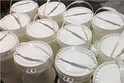
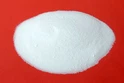
As a supplier of glass etching powder, I often receive inquiries from customers not only about the product's usage but also about how to dispose of unused glass etching powder properly. This is a crucial topic, as improper disposal can pose significant risks to the environment and human health. In this blog, I will share some scientific and practical methods for the proper disposal of unused glass etching powder, based on my years of experience in the industry.
Understanding the Composition of Glass Etching Powder
Before discussing disposal methods, it's essential to understand what glass etching powder is made of. Most glass etching powders contain chemicals such as hydrofluoric acid salts, which are highly corrosive and toxic. For example, ammonium bifluoride is a common ingredient in many glass etching powders. These chemicals can cause severe burns, respiratory problems, and long - term environmental damage if not handled correctly.
Why Proper Disposal Matters
Improper disposal of glass etching powder can have far - reaching consequences. When released into the environment, the toxic chemicals in the powder can contaminate soil, water sources, and air. This can harm wildlife, disrupt ecosystems, and even pose a threat to human health through the contamination of drinking water and food chains. Moreover, improper disposal may also violate environmental regulations, leading to legal issues for individuals and businesses.
Safe Handling of Unused Glass Etching Powder
Before disposing of the powder, it's crucial to handle it safely. Always wear appropriate personal protective equipment (PPE), including gloves, goggles, and a respirator. Store the powder in a cool, dry place away from incompatible substances such as acids, bases, and oxidizers. Keep the powder in its original container with a tightly sealed lid to prevent spills and leaks.
Disposal Methods
1. Recycling
If possible, recycling is the best option for disposing of unused glass etching powder. Some specialized recycling facilities can process glass etching powder and recover valuable chemicals or reuse the powder in other industrial applications. To find a recycling facility near you, you can check with your local environmental protection agency or search online directories of hazardous waste recyclers.
For example, some facilities can separate the different components of the powder and purify them for reuse in the glass etching industry. This not only reduces waste but also conserves resources and reduces the environmental impact of producing new glass etching powder.
2. Neutralization
If recycling is not an option, neutralization can be a viable disposal method. However, this should only be done by trained professionals in a controlled environment. Neutralization involves reacting the acidic or basic components of the glass etching powder with a suitable neutralizing agent to reduce its toxicity.
For instance, if the powder contains hydrofluoric acid salts, a calcium - based compound such as calcium carbonate can be used to neutralize the acid. The reaction produces calcium fluoride, which is less toxic and can be safely disposed of in a landfill approved for hazardous waste.
It's important to note that neutralization should be carried out with extreme caution, as the reaction can be exothermic and may produce toxic gases. Always follow the appropriate safety procedures and consult with a chemical expert before attempting neutralization.
3. Hazardous Waste Disposal
If neither recycling nor neutralization is feasible, the powder must be disposed of as hazardous waste. Contact a licensed hazardous waste disposal company to handle the disposal process. These companies have the expertise and equipment to safely transport, treat, and dispose of the powder in accordance with environmental regulations.
When working with a hazardous waste disposal company, provide them with detailed information about the composition and quantity of the powder. They will then develop a customized disposal plan to ensure the safe and legal disposal of the waste.
Our Glass Etching Powder Products
As a glass etching powder supplier, we offer a range of high - quality products, including YK Glass Frosting Powder For Glass Bottles, AG GALSS ETCING POWDER FOR ACID ETCHING GLASS PRODUCTION, and Etching Powder for Glass. These products are formulated to provide excellent etching results while maintaining a high level of safety.

Our products are carefully tested to ensure compliance with international quality and safety standards. We also provide detailed instructions on product usage and disposal to help our customers use our products safely and responsibly.
Conclusion
Proper disposal of unused glass etching powder is essential for protecting the environment and human health. By understanding the composition of the powder, following safe handling procedures, and choosing the appropriate disposal method, we can minimize the environmental impact of this hazardous waste.
If you are interested in purchasing our glass etching powder products or have any questions about product usage and disposal, please feel free to contact us. We are committed to providing high - quality products and excellent customer service, and we look forward to working with you.
References
- Environmental Protection Agency. (2023). Hazardous Waste Management. Retrieved from [EPA official website].
- Occupational Safety and Health Administration. (2023). Personal Protective Equipment Standards. Retrieved from [OSHA official website].
- Glass Association of North America. (2023). Glass Etching Technologies and Best Practices. Retrieved from [GANA official website].