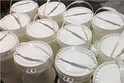
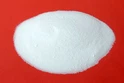
Hey there! As a supplier of Quartz Glass Frosting Powder, I often get asked about the storage temperature limits for this product. It's a crucial question because the storage conditions can significantly impact the quality and performance of the frosting powder. So, let's dive right into it.
Why Storage Temperature Matters
First off, why does the storage temperature even matter? Well, Quartz Glass Frosting Powder is a chemical product, and like many chemicals, it's sensitive to temperature changes. Extreme temperatures can cause physical and chemical changes in the powder. For example, high temperatures might accelerate chemical reactions within the powder, leading to a breakdown of its components. This could result in a loss of effectiveness when it comes to frosting glass. On the other hand, very low temperatures could cause the powder to solidify or clump, making it difficult to use and reducing its overall quality.


Ideal Storage Temperature Range
Based on our experience and scientific research, the ideal storage temperature for Quartz Glass Frosting Powder is between 10°C and 30°C (50°F and 86°F). This range ensures that the powder remains stable and retains its chemical properties. At these temperatures, the powder is in its optimal state, ready to deliver the best results when used for glass frosting.
When the temperature is within this range, the particles in the powder stay loose and free - flowing. This makes it easy to measure and mix the powder when you're preparing to frost glass. It also ensures that the chemical reactions that occur during the frosting process happen as they should, resulting in a smooth and consistent frosted finish on the glass.
Effects of High Temperatures
If the storage temperature goes above 30°C (86°F), several things can happen. One of the most common issues is that the powder may start to absorb moisture from the air more rapidly. This can cause the powder to clump together, forming larger particles. When you try to use clumped powder, it won't dissolve evenly in the solution, leading to an uneven frosting effect on the glass.
High temperatures can also speed up the degradation of the active ingredients in the powder. Over time, this can reduce the powder's ability to etch the glass effectively. You might notice that the frosted finish is not as opaque or as smooth as it should be. In some cases, the powder may even become completely ineffective, leaving you with a batch of unusable product.
Effects of Low Temperatures
When the temperature drops below 10°C (50°F), the powder can become more brittle. This can cause the particles to break into smaller pieces, which may affect the consistency of the frosting solution. Smaller particles might dissolve too quickly, leading to an over - aggressive etching of the glass in some areas.
In addition, low temperatures can cause the powder to freeze or form hard lumps. Once the powder has frozen and thawed, it may not return to its original state. The lumps can be difficult to break up, and even if you manage to do so, the powder may not perform as well as it did before.
Storage Tips
To ensure that your Quartz Glass Frosting Powder is stored at the right temperature, here are some tips:
- Choose the Right Location: Store the powder in a cool, dry place away from direct sunlight and heat sources. A storage room or a cabinet that is not near a furnace, radiator, or other heat - generating equipment is ideal.
- Use Temperature - Controlled Storage: If possible, store the powder in a temperature - controlled environment, such as a climate - controlled warehouse. This will help to maintain a consistent temperature and protect the powder from extreme temperature fluctuations.
- Monitor the Temperature: Use a thermometer to regularly check the temperature in the storage area. If you notice that the temperature is getting too high or too low, take steps to adjust it. For example, you can use a fan to cool the area if it's too hot or add insulation if it's too cold.
More Information
If you want to learn more about Quartz Glass Frosting Powder, you can check out our website. We have detailed information about the product on the Quartz Glass Frosting Powder page. There, you can find specifications, usage instructions, and more.
We also have an FAQ About Our Frosting Powder page where you can find answers to common questions. And if you're interested in seeing the kind of results you can achieve with our powder, take a look at our Satin Effect Float Glass page, which showcases some of the beautiful frosted glass products made with our powder.
Contact Us for Purchase
If you're in the market for high - quality Quartz Glass Frosting Powder, we'd love to hear from you. We offer a range of products to meet your specific needs, and our team is always ready to provide you with the support and advice you need. Whether you're a small - scale glass artist or a large - scale glass manufacturer, we can supply you with the right amount of powder at a competitive price. So, don't hesitate to reach out and start a conversation about your glass frosting requirements.
References
- Chemical Properties of Quartz Glass Frosting Powder, Research Institute of Glass Chemicals
- Storage Guidelines for Chemical Products, International Chemical Storage Association