Etching glass with chemicals is a fascinating technique that can transform ordinary glass into a work of art. As a supplier of etching glass with chemicals, I often get asked whether it's possible to etch glass on a glass door. In this blog post, I'll explore the feasibility of this process, the materials involved, and the steps to achieve a successful glass door etching.
Understanding Glass Etching with Chemicals
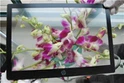
Glass etching with chemicals is a process that involves using specific chemical compounds to remove the surface layer of glass, creating a frosted or textured effect. The most common chemicals used for this purpose are hydrofluoric acid (HF) and fluoride-based compounds. These chemicals react with the silica in the glass, breaking down the surface and leaving behind a matte finish.
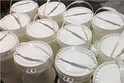
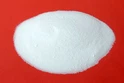
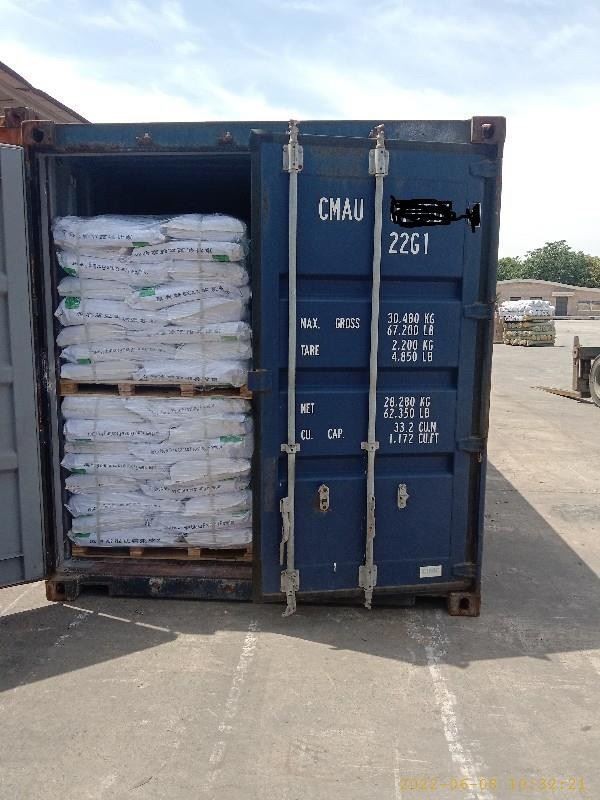
However, due to the high toxicity and corrosiveness of hydrofluoric acid, safer alternatives have been developed, such as YK Glass Frosting Powder (water-based). This water-based powder is a more environmentally friendly and user-safe option that can achieve similar results.
Can You Etch a Glass Door with Chemicals?
The short answer is yes, you can etch a glass door with chemicals. However, there are several factors to consider before embarking on this project.
Type of Glass
Not all types of glass are suitable for chemical etching. Tempered glass, for example, is heat-treated to increase its strength and is not recommended for etching. When etched, tempered glass can shatter due to the stress caused by the chemical reaction. On the other hand, annealed glass, which is regular, non-tempered glass, is an ideal candidate for chemical etching.
Door Location and Accessibility
The location of the glass door is also an important consideration. If the door is in a high-traffic area or difficult to access, it may be challenging to carry out the etching process safely. Additionally, you need to ensure that the area is well-ventilated to avoid inhaling any harmful fumes.
Design and Masking
Before applying the etching chemicals, you need to plan your design and create a mask. The mask acts as a stencil, protecting the areas of the glass that you don't want to etch. You can use a variety of materials for masking, such as vinyl, tape, or adhesive paper. The quality of your mask will directly affect the final outcome of your etching.
Materials Required for Glass Door Etching
To etch a glass door with chemicals, you'll need the following materials:
- YK Glass Frosting Powder (water-based) or other suitable etching chemicals
- Masking material (vinyl, tape, etc.)
- Tools for cutting and applying the mask (scissors, utility knife, etc.)
- Protective gear (gloves, goggles, respirator)
- Brushes or applicators for applying the etching chemicals
- Cleaning supplies (water, soap, and a soft cloth)
Steps to Etch a Glass Door with Chemicals
Step 1: Prepare the Glass Door
Clean the glass door thoroughly to remove any dirt, grease, or fingerprints. Use a mild soap and water solution, and dry the glass with a soft cloth. This will ensure that the etching chemicals adhere properly to the glass surface.
Step 2: Design and Apply the Mask
Create your design on paper or using a graphic design software. Then, transfer the design to the masking material and cut it out using scissors or a utility knife. Carefully apply the mask to the glass door, making sure there are no air bubbles or gaps.
Step 3: Mix the Etching Chemicals
Follow the instructions on the YK Glass Frosting Powder (water-based) packaging to mix the etching chemicals. Wear protective gear, such as gloves, goggles, and a respirator, to avoid contact with the chemicals.
Step 4: Apply the Etching Chemicals
Using a brush or applicator, apply the etching chemicals to the exposed areas of the glass door. Make sure to apply an even layer and avoid over-applying. Let the chemicals sit on the glass for the recommended amount of time, which is usually a few minutes.
Step 5: Rinse and Remove the Mask
After the recommended time has passed, rinse the glass door thoroughly with water to remove the etching chemicals. Then, carefully remove the mask from the glass. You may need to use a soft cloth or sponge to gently rub away any remaining chemicals.
Step 6: Clean and Finish the Glass Door
Clean the glass door again with a mild soap and water solution to remove any residue. Dry the glass with a soft cloth and admire your newly etched glass door.

Safety Precautions
When working with etching chemicals, it's important to take the following safety precautions:
- Wear protective gear, including gloves, goggles, and a respirator, to avoid contact with the chemicals.
- Work in a well-ventilated area to prevent the inhalation of harmful fumes.
- Follow the instructions on the chemical packaging carefully.
- Keep the chemicals out of reach of children and pets.
- Dispose of the chemicals properly according to local regulations.
Benefits of Chemical Glass Etching for Glass Doors
- Aesthetic Appeal: Chemical glass etching can add a unique and elegant touch to your glass door, enhancing the overall appearance of your space.
- Privacy: Etched glass can provide privacy while still allowing light to pass through, making it an ideal choice for bathroom or office doors.
- Customization: You can create custom designs and patterns to suit your personal style and preferences.
- Durability: The etched design is permanent and resistant to scratches and wear, ensuring long-lasting beauty.
Conclusion
Etching a glass door with chemicals is a viable option that can transform an ordinary door into a stunning focal point. With the right materials, tools, and safety precautions, you can achieve professional-looking results. As a supplier of Etching Glass Materials, I'm committed to providing high-quality products and supporting you throughout your glass etching journey.
If you're interested in learning more about our products or have any questions about glass etching, please don't hesitate to contact us. We're here to help you bring your glass etching ideas to life. Whether you're a DIY enthusiast or a professional contractor, we have the solutions you need for your next project.
References
- Glass Association of North America. (n.d.). Types of Glass. Retrieved from [Website URL]
- Safety Data Sheets for [YK Glass Frosting Powder (water-based)]. (n.d.). Retrieved from [Website URL]
- Professional Glass Etching Guides and Tutorials. (n.d.). Retrieved from [Website URL]