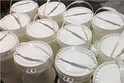
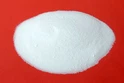
As a supplier of ordinary glass frosting powder, I often encounter inquiries from customers about how to remove the frosting effect created by our product. While our glass frosting powder is designed to provide a long - lasting and aesthetically pleasing frosted look on glass surfaces, there are situations where customers may need to reverse the process. In this blog post, I'll share some effective methods for removing the frosting effect, along with some precautions.


Understanding the Frosting Process
Before delving into the removal methods, it's essential to understand how ordinary glass frosting powder works. Our Flat Glass Frosting Powder typically contains chemicals such as hydrofluoric acid or its salts. When applied to the glass surface, these chemicals react with the silica in the glass, etching the surface and creating a rough texture that scatters light, resulting in the characteristic frosted appearance.
Methods for Removing the Frosting Effect
1. Polishing
One of the most common methods for removing the frosting effect is through polishing. This process involves using abrasive materials to smooth out the rough surface created by the frosting powder.
- Materials Needed: You will need a series of abrasive pads or papers with different grits (starting from coarse to fine), a polishing compound, and a buffing wheel or a polishing machine.
- Steps:
- Initial Sanding: Begin with a coarse - grit abrasive pad or paper (around 220 - 320 grit). Wet the glass surface and the abrasive to prevent scratching. Gently sand the frosted area in a circular or linear motion. Keep checking the progress until the majority of the frosted texture is removed.
- Intermediate Sanding: Switch to a finer - grit abrasive (around 400 - 600 grit). Repeat the sanding process to further smooth the surface. This step helps to remove the scratches left by the coarse - grit abrasive.
- Final Polishing: Apply a polishing compound to a buffing wheel or a soft cloth. Use a polishing machine or manual pressure to polish the glass surface. This will bring out the shine and make the glass look clear again.
However, polishing requires a certain level of skill and patience. Improper polishing can result in uneven surfaces or further damage to the glass.
2. Chemical Removal
In some cases, chemical solutions can be used to dissolve the etched layer on the glass surface.
- Materials Needed: A chemical stripper specifically designed for glass, gloves, goggles, and a plastic scraper.
- Steps:
- Safety First: Always wear gloves and goggles to protect yourself from the chemicals.
- Apply the Stripper: Apply the chemical stripper to the frosted area according to the manufacturer's instructions. Let it sit for the recommended amount of time, usually a few minutes to an hour.
- Remove the Etched Layer: Use a plastic scraper to gently scrape off the dissolved etched layer. Rinse the glass thoroughly with water to remove any remaining chemicals.
It's important to note that chemical strippers can be hazardous and should be used in a well - ventilated area. Also, different glass types may react differently to the chemical strippers, so it's advisable to test on a small, inconspicuous area first.
3. Professional Glass Restoration
If you're not confident in your DIY skills or if the frosted area is large and complex, it may be best to hire a professional glass restoration service. These professionals have the expertise and specialized equipment to safely and effectively remove the frosting effect. They can also ensure that the glass is restored to its original condition without causing any damage.
Precautions
- Safety: Whether you're using abrasive materials or chemical solutions, always wear appropriate safety gear such as gloves, goggles, and a respirator when necessary.
- Testing: Before applying any method to the entire frosted area, test it on a small, hidden part of the glass to ensure that it doesn't cause any unwanted damage or discoloration.
- Glass Type: Different types of glass (such as tempered glass, laminated glass, etc.) may require different removal methods. Make sure you know the type of glass you're working with before attempting any removal process.
Applications of Our Glass Frosting Powder
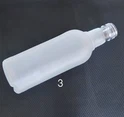
Despite the need for removal in some cases, our glass frosting powder has a wide range of applications. For example, our Satin Effect Glass Liquor Bottle frosting powder can give liquor bottles a luxurious and elegant look. The Satin Effect On Flat Glass created by our product is also popular in interior design, providing privacy while maintaining an aesthetically pleasing appearance.
Conclusion
Removing the frosting effect created by ordinary glass frosting powder can be achieved through polishing, chemical removal, or professional restoration. Each method has its own advantages and challenges, and the choice depends on your skills, the size of the frosted area, and the type of glass.
If you're interested in purchasing our high - quality glass frosting powder for your projects, we welcome you to contact us for more information and to start a procurement negotiation. We are committed to providing the best products and services to meet your needs.
References
- "Glass Finishing and Polishing Techniques" - Glass Industry Journal
- "Chemical Etching and Removal on Glass Surfaces" - Chemical Engineering Research