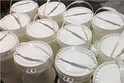
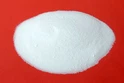
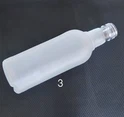
Hey there! As a supplier of water glass frosting powder, I often get asked some interesting questions from customers. One of the most common queries I've received lately is, "Can water glass frosting powder be used on frosted glass again to enhance the effect?" Well, let's dive right into this topic and find out.
First off, let's understand what water glass frosting powder is. It's a nifty product that's used to create a frosted look on glass surfaces. When you mix it with water and apply it to clear glass, it chemically reacts with the glass, etching the surface and giving it that characteristic frosted appearance. It's a popular choice for many applications, from home decor to commercial settings, because it's relatively easy to use and can achieve a professional - looking finish.
Now, back to the question at hand. Can you use water glass frosting powder on already frosted glass? The short answer is yes, you can, but there are some things to keep in mind.
The Science Behind Re - Applying Frosting Powder
When you apply water glass frosting powder to clear glass, it works by dissolving the outer layer of the glass. The powder contains chemicals that react with the silica in the glass, breaking down the smooth surface and creating tiny pits and irregularities. These irregularities scatter light, which is what gives the glass its frosted look.
When you apply the powder to frosted glass, the same chemical reaction occurs. However, since the glass already has an etched surface, the new reaction will build on top of the existing pits and irregularities. This can potentially enhance the frosted effect, making the glass look even more opaque and diffusing light more effectively.
Factors to Consider
Existing Frosting Level
The first thing you need to consider is the current level of frosting on the glass. If the glass has a very light frost, re - applying the powder can make it significantly more opaque. But if the glass already has a heavy frost, the additional application might not make a huge difference. In some cases, it could even over - etch the glass, making it look rough or uneven.
Glass Type
Not all glass is created equal. Different types of glass, such as soda - lime glass, borosilicate glass, or tempered glass, react differently to the frosting powder. For example, tempered glass is more resistant to chemical etching because it has been heat - treated. If you're using water glass frosting powder on tempered frosted glass, you might need to adjust the application time or the concentration of the powder solution.
Application Method
The way you apply the powder also matters. When re - applying to frosted glass, you need to be extra careful to ensure an even application. If the powder is not spread evenly, it can create patchy or streaky results. You might want to use a soft brush or a sprayer to apply the solution, and make sure to follow the manufacturer's instructions carefully.
Potential Benefits of Re - Applying
Enhanced Privacy
One of the main reasons people might want to re - apply water glass frosting powder is to enhance privacy. If the original frosting on the glass is not providing enough privacy, a second application can make the glass more opaque, blocking the view from the outside.
Aesthetic Enhancement
Re - applying the powder can also improve the overall aesthetic of the glass. It can give the glass a more uniform and professional look, especially if the original frosting has some uneven areas. For example, in a bathroom or a commercial space, a more consistent frosted effect can make the glass look more stylish and high - end.
Examples of Applications
Let's take a look at some real - world examples where re - applying water glass frosting powder can be beneficial.


Satin Effect Patterned Glass
If you have Satin Effect Patterned Glass, re - applying the frosting powder can enhance the contrast between the patterned and non - patterned areas. This can make the pattern stand out more, creating a more dramatic visual effect.
Satin Effect Glass Tea Cup
For Satin Effect Glass Tea Cup, a second application of the frosting powder can make the cup look more elegant. The enhanced frosted effect can give the cup a more luxurious feel, making it perfect for special occasions or high - end cafes.
Precautions
Before you go ahead and re - apply the water glass frosting powder, there are a few precautions you should take.
Safety First
The chemicals in the frosting powder can be harmful if they come into contact with your skin or eyes. Make sure to wear protective gloves, goggles, and a mask when handling the powder and the solution. Also, work in a well - ventilated area to avoid inhaling any fumes.
Test on a Small Area
It's always a good idea to test the re - application on a small, inconspicuous area of the glass first. This will allow you to see how the glass reacts and whether you're happy with the results. If the test area looks good, you can then proceed with the full application.
Conclusion
So, can water glass frosting powder be used on frosted glass again to enhance the effect? The answer is a definite yes, but with some careful consideration. By understanding the science behind the process, taking into account the factors mentioned above, and following the necessary precautions, you can achieve a great - looking enhanced frosted glass.
If you're interested in trying out our water glass frosting powder for your next project, whether it's re - frosting existing glass or creating a frosted look from scratch, we'd love to hear from you. We have a wide range of products that can meet your needs, and our team is always ready to provide you with expert advice. Just reach out to us, and we can start discussing your requirements.
If you want to learn more about our products and see some amazing glass frosting examples, check out our Welcome To The Exhibition page. It's full of inspiration and useful information.
References
- "Glass Chemistry and Surface Treatments" - A textbook on glass science and technology.
- Manufacturer's instructions for water glass frosting powder.
- Industry reports on glass frosting techniques and applications.