Acid etching for glass is a fascinating technique that has been employed for centuries to create beautiful, functional, and decorative glass items. As a leading supplier of acid etching materials for glass, I am excited to share the rich history of this ancient art form and shed light on how it has evolved over time.
Early Origins
The origins of glass acid etching can be traced back to ancient times. The earliest evidence of glass etching dates back to around 3000 BC in Mesopotamia, where glass was first developed. At that time, the process was rudimentary and mainly involved using abrasive materials to scratch the glass surface, creating simple patterns and designs. However, the real breakthrough came with the discovery of acidic substances that could chemically react with the glass surface, leading to a smoother and more precise etching effect.
The ancient Egyptians were also known to have experimented with glass etching. They used a combination of sand, ash, and water to create a paste that, when applied to the glass and heated, would etch the surface. This early form of etching was likely used for decorative purposes, as evidenced by the presence of etched glass beads and small objects found in Egyptian tombs.
Middle Ages and Renaissance
During the Middle Ages, glass etching technology advanced slowly but steadily. Monasteries in Europe played a significant role in the preservation and development of glassmaking and etching techniques. Monks used etched glass for religious windows and vessels, often depicting religious scenes and symbols. They used a variety of acids, including vinegar and diluted nitric acid, to etch the glass.
The Renaissance period witnessed a significant resurgence in glass etching. Artists and craftsmen began to explore the creative possibilities of acid etching, pushing the boundaries of what was possible. They developed more sophisticated techniques, such as using resist materials to protect certain areas of the glass while etching others, allowing for the creation of more detailed and intricate designs. This period saw the production of many fine examples of etched glassware, including goblets, vases, and mirrors.
Industrial Revolution and Beyond
The Industrial Revolution in the 18th and 19th centuries brought about a major transformation in the glass etching industry. The development of new manufacturing processes and technologies made it possible to produce glass on a large scale, and acid etching became a popular method for adding decorative elements to mass-produced glass items.
One of the key advancements during this period was the discovery of hydrofluoric acid as an effective etching agent. Hydrofluoric acid is a highly corrosive substance that can react with the silicon dioxide in glass, creating a frosted or transparent effect depending on the concentration and application time. This discovery revolutionized the glass etching industry, allowing for faster, more efficient, and more precise etching.
In the 20th century, glass etching continued to evolve. New applications were found for etched glass, such as in architecture, interior design, and electronics. The development of photoresist technology in the mid-20th century allowed for the creation of highly detailed and complex patterns on glass surfaces, opening up new possibilities for artistic expression and industrial applications.


Modern Acid Etching Techniques
Today, acid etching for glass is a highly specialized and sophisticated process. As a supplier of acid etching materials for glass, we offer a wide range of products to meet the diverse needs of our customers.
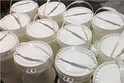
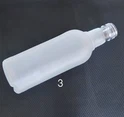
One of our popular products is the YK Glass Frosting Powder For Glass Bottles. This powder is easy to use and can create a beautiful frosted effect on glass bottles, making them ideal for packaging products such as perfumes, cosmetics, and beverages.
We also provide Glass Surface Chemical Etching solutions, which are designed to etch the surface of glass to create a variety of effects, including smooth, textured, or patterned finishes. These solutions are suitable for use in a wide range of applications, from architectural glass to decorative glassware.
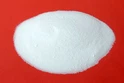
In addition, our Etching Powder for Glass is a high-quality product that can be used to etch glass surfaces quickly and efficiently. The powder is available in different formulations to meet the specific requirements of our customers, whether they are looking for a fine, detailed etch or a more robust, textured effect.
Applications of Acid Etched Glass
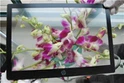
Acid etched glass has a wide range of applications in various industries. In architecture, etched glass is used for windows, partitions, and doors to provide privacy while still allowing light to pass through. It can also be used to create decorative elements, such as logos and patterns, on building facades.
In interior design, etched glass is a popular choice for creating unique and stylish features. It can be used for shower enclosures, backsplashes, and furniture to add a touch of elegance and sophistication to any space.
In the electronics industry, acid etched glass is used for display screens, touch panels, and other components. The precise etching process allows for the creation of highly detailed and accurate patterns, which are essential for the proper functioning of these devices.
Conclusion
The history of acid etching for glass is a long and fascinating one, spanning thousands of years. From its humble beginnings in ancient Mesopotamia to the highly advanced techniques used today, acid etching has evolved into a versatile and widely used process.
As a supplier of acid etching materials for glass, we are committed to providing our customers with the highest quality products and services. Whether you are an artist, a designer, or a manufacturer, we have the solutions you need to create beautiful and functional acid etched glass products.
If you are interested in learning more about our products or would like to discuss your specific requirements, please feel free to contact us. We look forward to working with you to bring your acid etched glass projects to life.
References
- "The History of Glass" by Alan Macfarlane and Gerry Martin
- "Glass: A World History" by Andrew D. Alarik
- "The Art of Glass Etching" by David H. Burton