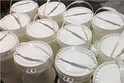
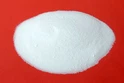
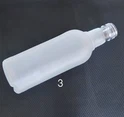
Hey there! As a supplier of water glass frosting powder, I often get asked a bunch of questions about its uses. One question that pops up quite a bit is, "Can water glass frosting powder be used on glass chandeliers?" Well, let's dive right into this topic and find out.
First off, let's talk a bit about what water glass frosting powder is. It's a nifty product that can transform a clear glass surface into a frosted one. When you mix it with water, it creates a chemical reaction that etches the glass, giving it that smooth, hazy look. There are different types of effects you can achieve, like the satin effect, oil sand effect, and more. You Can Always Find Satin Effect At Store [/glass-frosting-material/you-can-always-find-satin-effect-at-store.html]. This link shows some of the great satin - like finishes you can get with the right use of our frosting powder.
Now, back to the glass chandeliers. Glass chandeliers are these beautiful, delicate pieces that can add a touch of elegance to any room. They come in all shapes and sizes, from small, dainty ones to huge, elaborate fixtures. The idea of using water glass frosting powder on them might seem a bit daunting at first, but it's actually quite doable in many cases.
One of the main reasons someone might want to use frosting powder on a glass chandelier is to change its look. Maybe you've got an old chandelier that's a bit too shiny for your taste, or you want to give it a more vintage, frosted look. Frosting the glass can really transform the whole aesthetic of the chandelier. For example, creating an oil sand effect on a glass chandelier can make it look more rustic and unique. Check out the Oil Sand Effect Glass Spirit Bottle [/glass-frosting-material/oil-sand-effect-glass-spirit-bottle.html] to get an idea of the kind of effect you can achieve.
But before you go ahead and start applying the powder, there are a few things you need to consider. The first is the type of glass used in the chandelier. Most glass chandeliers are made of lead crystal or regular glass. Water glass frosting powder works well on both types, but lead crystal has a different composition, and you might need to adjust the application process a bit. Lead crystal is more delicate and can be more easily damaged if not treated properly.


Another important factor is the design of the chandelier. Some chandeliers have very intricate designs with lots of small, hard - to - reach areas. Applying the frosting powder evenly in these areas can be a challenge. You'll need to be very careful and patient. It might be a good idea to disassemble the chandelier if possible. This way, you can work on each piece separately and ensure a more even application.
Let's talk about the application process. First, you'll need to prepare the frosting powder mixture according to the instructions on the package. Usually, it involves mixing the powder with water in a specific ratio. Once the mixture is ready, you can use a brush or a sprayer to apply it to the glass. If you're using a brush, make sure it's a soft - bristled one to avoid scratching the glass. When applying, start from the top and work your way down, making sure to cover the glass evenly.
After applying the frosting powder, you'll need to let it sit for a certain amount of time, usually around 10 - 15 minutes. This allows the chemical reaction to take place and etch the glass. Once the time is up, rinse the glass thoroughly with water to remove any excess powder. You might need to repeat the process a few times if you want a more intense frosted effect.
However, there are some potential risks involved. If the frosting powder is not applied correctly, it can leave streaks or uneven patches on the glass. Also, if the chandelier is made of a special type of glass or has a protective coating, the frosting powder might damage it. So, it's always a good idea to test the powder on a small, inconspicuous area of the chandelier first.
If you're worried about doing it yourself, you can always hire a professional. But if you're a DIY enthusiast, with a bit of patience and care, you can achieve great results. For example, creating a satin effect on a float glass chandelier can give it a very modern and sophisticated look. Check out the Satin Effect Float Glass [/glass-frosting-material/satin-effect-float-glass.html] to see what kind of finish you can get.
In conclusion, water glass frosting powder can definitely be used on glass chandeliers. It's a great way to give your chandelier a new look and add a personal touch to your decor. But it's important to take the necessary precautions and do your research before starting the process.
If you're interested in purchasing our water glass frosting powder for your chandelier project or any other glass - frosting needs, feel free to reach out. We're here to answer any questions you might have and help you find the right product for your needs. Whether you're looking for a satin effect, oil sand effect, or something else, we've got you covered.
References
- General knowledge about glass and glass - frosting processes
- Product information from our water glass frosting powder packages