When it comes to the art and industry of glass etching, I'm not just an observer; I'm a supplier deeply involved in providing top - notch glass etching materials. As we work with these materials, the safety of our hands is of utmost importance. In this blog, I'll share effective ways to protect your hands when using glass etching materials.
First and foremost, understanding the nature of glass etching materials is crucial. There are different types of glass etching materials available in the market. For instance, Acid Etching for Glass involves the use of acidic substances. These acids are highly corrosive and can cause severe damage to the skin upon contact. They can burn the skin, cause chemical burns that may lead to long - term scarring, and can even affect the underlying tissues.
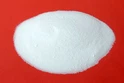
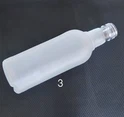
Another type is Material For Frosted Glass Decoration. These materials often contain fine particles and chemicals that can irritate the skin. The fine particles can get embedded in the skin pores, causing irritation, redness, and in some cases, allergic reactions. And Ordinary Glass Etching Powder is also a common product. The powder can be easily airborne, and when it lands on the hands, it can be absorbed through the skin or cause abrasions if not handled properly.


One of the most basic and essential ways to protect hands is by wearing appropriate gloves. When dealing with acidic glass etching materials, chemical - resistant gloves are a must. Nitrile gloves are a popular choice. They offer excellent resistance to a wide range of chemicals, including acids commonly used in glass etching. Nitrile gloves are also puncture - resistant, which is an added advantage as you may be handling glass pieces during the etching process. Latex gloves, on the other hand, are not suitable for acid - based etching materials as they can be easily degraded by acids.
For materials like glass etching powders and those used for frosted glass decoration, disposable vinyl gloves can be a good option. They provide a basic barrier against the particles and chemicals. However, if you are working for an extended period or with a large quantity of materials, it's better to use thicker, more durable gloves.
Before putting on gloves, make sure your hands are clean and dry. Any moisture on the hands can create a breeding ground for bacteria and can also reduce the effectiveness of the gloves. After removing the gloves, wash your hands thoroughly with mild soap and warm water. This helps to remove any residual chemicals or particles that may have come in contact with the hands during the process.
In addition to gloves, it's also important to use other protective equipment. Wrist guards can be used to provide additional protection to the sensitive skin on the wrists. They can prevent any splashes or spills from running down the arms and reaching the hands. You can choose wrist guards made of the same material as your gloves for consistent protection.
Another aspect of hand protection is proper handling techniques. When using glass etching materials, avoid touching your face, eyes, or mouth with your hands. This can transfer the chemicals or particles to these sensitive areas, causing serious harm. Use tools such as brushes, spatulas, or pipettes to handle the materials instead of using your hands directly whenever possible.
When pouring or mixing glass etching materials, do it in a well - ventilated area. This reduces the risk of inhaling fumes, which can also indirectly affect your hands. If the fumes are inhaled, they can cause respiratory problems, and in some cases, the body's immune system may be compromised, making the hands more susceptible to damage from the materials.
It's also important to inspect your gloves regularly for any signs of damage. If you notice any holes, tears, or signs of degradation, replace the gloves immediately. A damaged glove provides little to no protection and can expose your hands to the harmful glass etching materials.
After using the glass etching materials, store them properly. Keep them in sealed containers in a cool, dry place. This not only ensures the longevity of the materials but also reduces the risk of accidental spills or leaks that could come into contact with your hands.
As a glass etching materials supplier, I understand the importance of safety in the workplace. We strive to provide high - quality materials that meet all safety standards. However, it's the responsibility of every user to take the necessary precautions to protect their hands.
If you are new to glass etching or are looking for safer and more effective glass etching materials, I encourage you to reach out to us. We have a wide range of products that are not only of high quality but also designed with safety in mind. Whether you are a professional glass artist or a hobbyist, we can provide you with the right materials for your needs. Contact us to start a procurement discussion and take your glass etching projects to the next level.
References:
- General knowledge on chemical safety and glass etching processes.
- Industry standards and guidelines for handling glass etching materials.