Hey there! As a supplier of Etching Glass With Chemicals, I've seen my fair share of glass - etching tools. And let me tell you, keeping these tools clean is super important. Not only does it ensure the longevity of the tools, but it also guarantees the quality of the glass - etching work. So, what's the best way to clean the tools used in chemical glass etching? Let's dive right in.
First off, we need to understand the types of tools commonly used in chemical glass etching. These usually include brushes, spray guns, stencils, and etching trays. Each of these tools has its own set of cleaning requirements due to the nature of the chemicals involved in the glass - etching process.
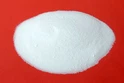
Let's start with brushes. Brushes are used to apply etching chemicals like the Etching Powder for Glass onto the glass surface. Over time, the powder and other chemicals can dry and harden on the brush bristles, which can affect the brush's performance. To clean a brush, the first step is to remove as much of the dried chemical as possible. You can do this by gently tapping the brush against a hard surface. Then, soak the brush in warm, soapy water. Make sure to use a mild detergent that won't damage the bristles. Swirl the brush around in the water to loosen up any remaining chemical particles. After a few minutes, rinse the brush thoroughly under running water. Squeeze out the excess water gently, and reshape the bristles. Let the brush dry completely before using it again.
Spray guns are another essential tool in chemical glass etching. They are great for achieving a more even and consistent application of chemicals like those in Chemical Etching Materials For Glass Decoration. Cleaning a spray gun is a bit more involved. First, you need to empty the chemical reservoir. Then, fill the reservoir with a cleaning solution. You can use a specialized spray - gun cleaner or a mixture of water and vinegar. Run the cleaning solution through the spray gun for a few minutes to flush out any remaining chemicals. Next, disassemble the spray gun as much as possible. This usually involves removing the nozzle, the needle, and other small parts. Soak these parts in the cleaning solution for a while to dissolve any stubborn chemical deposits. Use a small brush or a toothpick to clean the tiny holes and crevices in the parts. Rinse all the parts thoroughly and let them dry before reassembling the spray gun.
Stencils are used to create specific patterns during the glass - etching process. They are often made of materials like vinyl or plastic. When it comes to cleaning stencils, the key is to be gentle. After using a stencil with YK Glass Frosting Powder For Glass Bottles or other etching chemicals, rinse it under lukewarm water immediately. This will prevent the chemicals from drying and sticking to the stencil. If there are still some chemical residues, you can use a soft sponge or a cloth with a little bit of mild soap to gently wipe the stencil. Avoid using abrasive materials that could scratch the stencil. Once clean, dry the stencil completely and store it flat to prevent it from warping.
Etching trays are used to hold the glass and the etching chemicals during the process. These trays can get dirty with chemical residues and glass particles. To clean an etching tray, start by emptying any remaining chemicals. Then, fill the tray with warm water and a degreaser. Let it soak for a while to loosen up the deposits. Use a scrub brush to clean the inside of the tray, paying special attention to the corners and edges. Rinse the tray thoroughly and dry it completely.


Now, let's talk about safety when cleaning these tools. Chemical glass - etching involves some pretty harsh chemicals, so it's crucial to take precautions. Always wear gloves to protect your hands from the chemicals and the cleaning solutions. Work in a well - ventilated area to avoid inhaling any fumes. If you get any chemicals on your skin or in your eyes, rinse the affected area immediately with plenty of water and seek medical attention if necessary.
Another important aspect is the frequency of cleaning. It's a good idea to clean your tools after each use. This will prevent the chemicals from building up and causing long - term damage to the tools. However, if you're in the middle of a large project, you can do a quick clean - up between uses and a more thorough cleaning at the end of the project.
In addition to regular cleaning, proper storage of the tools is also important. Store brushes in a vertical position to keep the bristles in good shape. Keep spray guns in a clean, dry place, and make sure they are properly lubricated if required. Stencils should be stored flat and protected from dust. Etching trays can be stacked neatly, but make sure they are dry to prevent rusting if they are made of metal.
So, there you have it - the best ways to clean the tools used in chemical glass etching. Keeping your tools clean not only saves you money in the long run by extending their lifespan but also ensures that you get the best results in your glass - etching projects.
If you're interested in our high - quality glass - etching chemicals such as Etching Powder for Glass, Chemical Etching Materials For Glass Decoration, and YK Glass Frosting Powder For Glass Bottles, or if you have any questions about tool cleaning or glass etching in general, don't hesitate to reach out. We're here to help you with all your glass - etching needs and look forward to the opportunity to discuss your potential orders.
References
- General knowledge of glass - etching processes and tool maintenance.
- Product information from relevant glass - etching chemical suppliers.