Hey there, fellow glass art enthusiasts! As a supplier of glass etching materials, I get a ton of questions from people looking to start their own glass etching projects. One of the most common questions I hear is, "How do I choose the right glass etching materials for my project?" Well, you're in luck because I'm here to break it down for you.

Understanding Your Project
First things first, you need to have a clear idea of what you're trying to achieve with your glass etching project. Are you making a simple decorative piece for your home, like a etched glass vase or a window decal? Or are you working on a more complex commercial project, such as branding glassware for a business? The scope and complexity of your project will play a big role in determining the right materials for you.
If you're a beginner, you might want to start with a small, easy project. This will give you a chance to get the hang of the glass etching process without investing too much time or money. On the other hand, if you're an experienced artist or a professional, you might be looking for high - quality materials that can handle more intricate designs.
Types of Glass
The type of glass you're working with is another crucial factor. Different types of glass have different compositions, which can affect how they react to etching materials.
- Soda - lime glass: This is the most common type of glass, used in everything from windows to drinking glasses. It's relatively easy to etch and is a great choice for beginners. Most standard glass etching materials work well with soda - lime glass.
- Borosilicate glass: Known for its high resistance to heat and chemicals, borosilicate glass is often used in laboratory equipment and high - end glassware. Etching borosilicate glass can be a bit more challenging, and you may need to use stronger etching materials.
- Lead crystal glass: Lead crystal is prized for its clarity and brilliance. However, it requires special care when etching because of the lead content. You'll need to use etching materials that are specifically formulated for lead crystal to avoid damaging the glass.
Types of Glass Etching Materials
Now, let's talk about the different types of glass etching materials available. You can check out Materials Needed for Glass Etching for a more detailed list.
Etching Powders
Etching powders are a popular choice for glass etching because they're relatively easy to use and come in a variety of strengths.
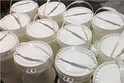
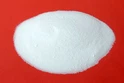
- Ordinary Glass Etching Powder: This is the go - to option for most general glass etching projects. Ordinary Glass Etching Powder is suitable for soda - lime glass and can create a nice, frosted effect. It's usually mixed with water to form a paste, which is then applied to the glass surface.
- Environmentally Friendly Etching Powder: If you're concerned about the environmental impact of your glass etching project, Environmentally Friendly Etching Powder is a great alternative. These powders are formulated to be less harmful to the environment while still providing good etching results. They're a bit more expensive than ordinary etching powders, but they're worth it if you're aiming for a more sustainable approach.
Etching Creams
Etching creams are another common option. They're easy to apply and can be used on a variety of glass surfaces. Etching creams work by chemically reacting with the glass to create a frosted effect. They're great for creating detailed designs because you can control the application more precisely. However, they can be a bit messy, and you need to be careful when handling them as they can be caustic.
Stencils
Stencils are essential for creating precise designs on glass. You can buy pre - made stencils in a variety of shapes and sizes, or you can make your own using materials like vinyl or paper. When choosing stencils, make sure they're made from a material that will stick well to the glass and resist the etching materials.

Safety Considerations
Safety should always be your top priority when working with glass etching materials. Many of these materials are chemicals that can be harmful if not handled properly.
- Wear protective gear: Always wear gloves, goggles, and a mask when handling etching materials. This will protect your skin, eyes, and lungs from potential harm.
- Work in a well - ventilated area: Make sure you're working in a space with good air circulation. This will help to prevent the buildup of fumes from the etching materials.
- Follow the instructions: Read and follow the instructions on the packaging of your etching materials carefully. Different materials may have different application methods and safety precautions.
Cost and Availability
Cost is also an important factor when choosing glass etching materials. As a general rule, high - quality materials will cost more, but they'll also give you better results. You'll need to balance your budget with the quality of materials you need for your project.
Availability is another thing to consider. Some specialty etching materials may only be available from certain suppliers. As a glass etching materials supplier, I strive to offer a wide range of products at competitive prices, so you can find everything you need in one place.
Testing and Experimenting
Before you start your big project, it's a good idea to do some testing and experimenting. Get a small piece of scrap glass and try out different etching materials and techniques. This will help you get a feel for how the materials work and what kind of results you can expect. You can also experiment with different stencils and designs to see what looks best on your glass.
Conclusion
Choosing the right glass etching materials for your project can seem daunting at first, but with a little knowledge and some experimentation, you'll be able to find the perfect materials for your needs. Remember to consider the type of glass you're working with, the complexity of your project, safety, cost, and availability.

If you're still not sure which materials are right for you, or if you have any other questions about glass etching, don't hesitate to reach out. As a glass etching materials supplier, I'm here to help you make the most of your glass etching projects. Whether you're a beginner or a seasoned pro, I've got the materials and the expertise to support you.
Let's start a conversation and find the best glass etching materials for your next project!
References
- Glass Art Magazine: A great resource for tips and techniques on glass etching.
- Professional Glass Etchers Association: Their publications offer in - depth knowledge on glass etching materials and processes.