Hey there! As a supplier of etching glass with chemicals, I often get asked about how to control the depth of the etch when using chemicals on glass. It's a crucial aspect, especially when you're aiming for that perfect finish on different glass products. So, let's dive right in and explore this topic in detail.
Understanding the Basics of Chemical Glass Etching
First off, chemical glass etching involves using specific chemicals to react with the surface of the glass. This reaction removes a thin layer of the glass, creating that frosted or etched look we're all familiar with. The most commonly used chemicals for this process are hydrofluoric acid (HF) and its salts, like ammonium bifluoride. These chemicals are super effective but also pretty dangerous, so safety precautions are a must.
Now, the depth of the etch depends on several factors. It's not just about slapping on the chemicals and hoping for the best. You've got to understand the science behind it to get consistent results.
Factors Affecting Etch Depth
Chemical Concentration
The concentration of the etching chemical is a major player here. Think of it like making a cup of coffee. If you use more coffee grounds, you'll get a stronger, more intense flavor. Similarly, a higher concentration of the etching chemical will lead to a deeper etch. For example, if you're using hydrofluoric acid, a more concentrated solution will eat away at the glass faster and deeper.
But be careful! Using too high a concentration can lead to over - etching, where the glass surface becomes rough and uneven. On the other hand, a very low concentration might not etch the glass at all or give you a barely noticeable result. It's all about finding that sweet spot. You can experiment with different concentrations on small test pieces of glass to see what works best for your desired etch depth.
Etching Time
Time is another critical factor. The longer the glass is exposed to the etching chemical, the deeper the etch will be. It's like marinating a piece of meat. The longer it sits in the marinade, the more flavor it absorbs. When etching glass, you need to carefully time the process.
Start with a short etching time, say a few minutes, and then check the glass. If the etch isn't deep enough, you can put it back in the chemical bath for a bit longer. But don't leave it in for too long, or you'll end up with a glass that's etched beyond what you intended. Keep a close eye on the glass during the etching process to ensure you get the right depth.
Temperature
Temperature can also have a significant impact on the etch depth. Chemical reactions generally happen faster at higher temperatures. So, if you increase the temperature of the etching solution, the reaction between the chemical and the glass will speed up, resulting in a deeper etch.
However, just like with concentration, there's a limit. If the temperature is too high, the reaction can become too violent, and you might end up with an uneven etch or even damage the glass. Most etching processes work best at room temperature, but you can experiment with slightly higher temperatures to see if it gives you the desired results.
Glass Type
Not all glasses are created equal when it comes to etching. Different types of glass have different compositions, which can affect how they react to the etching chemicals. For example, borosilicate glass is more resistant to chemical etching compared to soda - lime glass.
If you're working with a particular type of glass, you might need to adjust the etching parameters accordingly. You can find more information about the Material Used for Glass Etching on our website, which can help you understand the properties of different glass types and how they interact with the etching chemicals.
Controlling Etch Depth in Practice
Pre - testing
Before you start etching a large batch of glass products, it's always a good idea to do some pre - testing. Take a few small pieces of the same type of glass and etch them using different combinations of concentration, time, and temperature. This way, you can see how the glass reacts and determine the best parameters for your desired etch depth.
For example, you could set up a series of test samples with different concentrations of the etching chemical and etch them for different lengths of time. Then, compare the results to see which combination gives you the perfect etch depth.
Using Masks
Masks are a great way to control the etch depth in specific areas of the glass. You can use materials like vinyl or tape to cover the parts of the glass that you don't want to etch. This allows you to create patterns and designs while controlling the etch depth only in the exposed areas.
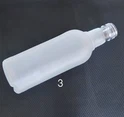
For instance, if you're etching a Lime Soda Peach Drink Bottle Beverage Glass Bottle Wine Bottle With Special Efection and you want to create a logo on it, you can cut out the shape of the logo from a vinyl sheet and stick it on the bottle. Then, when you apply the etching chemical, only the exposed areas will be etched, and you can control the depth of the etch in those areas.
Monitoring the Process
Once you've started the etching process, it's important to monitor it closely. You can use a magnifying glass or a microscope to check the etch depth as it progresses. If you notice that the etch is getting too deep or not deep enough, you can make adjustments to the time or other parameters.
Our Products and Their Role in Controlling Etch Depth
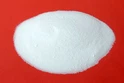
At our company, we offer a range of products for glass etching, including SATINAL MATERIAL FOR FROSTED GLASS PRODUCTION. These products are carefully formulated to give you consistent and controllable etch depths.
Our etching chemicals are available in different concentrations, so you can choose the one that's right for your project. We also provide detailed instructions on how to use our products to achieve the best results. Whether you're a small - scale crafter or a large - scale manufacturer, our products can help you control the etch depth and create beautiful, high - quality etched glass products.
Conclusion
Controlling the depth of the etch when using chemicals on glass is a combination of science and art. By understanding the factors that affect etch depth, such as chemical concentration, etching time, temperature, and glass type, and by using techniques like pre - testing, masks, and process monitoring, you can achieve the perfect etch depth for your glass products.


If you're interested in our glass - etching products and want to learn more about how they can help you control the etch depth, don't hesitate to reach out. We're here to assist you with all your glass - etching needs and can provide you with more information and support. Contact us to start a procurement discussion and take your glass - etching projects to the next level.
References
- "The Science of Glass Etching" - A textbook on glass - related chemical processes
- "Advanced Glass Manufacturing and Finishing" - A comprehensive guide on glass production and finishing techniques