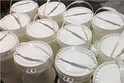
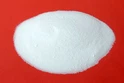
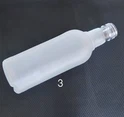
Hey there! As a supplier of chemical frosting of glass, I've seen a lot of debates about how chemical frosting stacks up against vinyl frosting. So, let's dive right in and break down the differences between these two methods.
The Basics of Chemical Frosting and Vinyl Frosting
First off, let's get the basics clear. Chemical frosting is a process where you use special chemical compounds to etch the surface of the glass. These chemicals react with the glass, creating a rough, frosted appearance. It's a permanent change to the glass, and it can be used on all sorts of glass products, from windows to bottles.

On the other hand, vinyl frosting is a type of adhesive film that you stick onto the glass. It comes in different patterns and designs, and you can easily apply it to the glass surface. It's a non - permanent solution, and you can remove it without damaging the glass if you want to change the look.
Appearance
When it comes to appearance, chemical frosting has a unique charm. The frosted effect created by chemicals is very smooth and consistent. It gives the glass a high - end, professional look. For example, when you see a Satin Effect Coloured Glass Vase, the chemical frosting on it makes the colors look more vibrant and the texture looks more luxurious. The light diffuses through the chemically frosted glass in a very natural way, creating a soft and warm glow.
Vinyl frosting, on the other hand, can mimic the frosted look, but it often has a slightly different feel. The edges of the vinyl can sometimes be visible, especially if it's not applied perfectly. And over time, the vinyl may start to peel or bubble, which can ruin the overall look. However, vinyl frosting does offer a wider range of patterns and designs. You can find everything from simple geometric shapes to elaborate floral patterns.
Durability
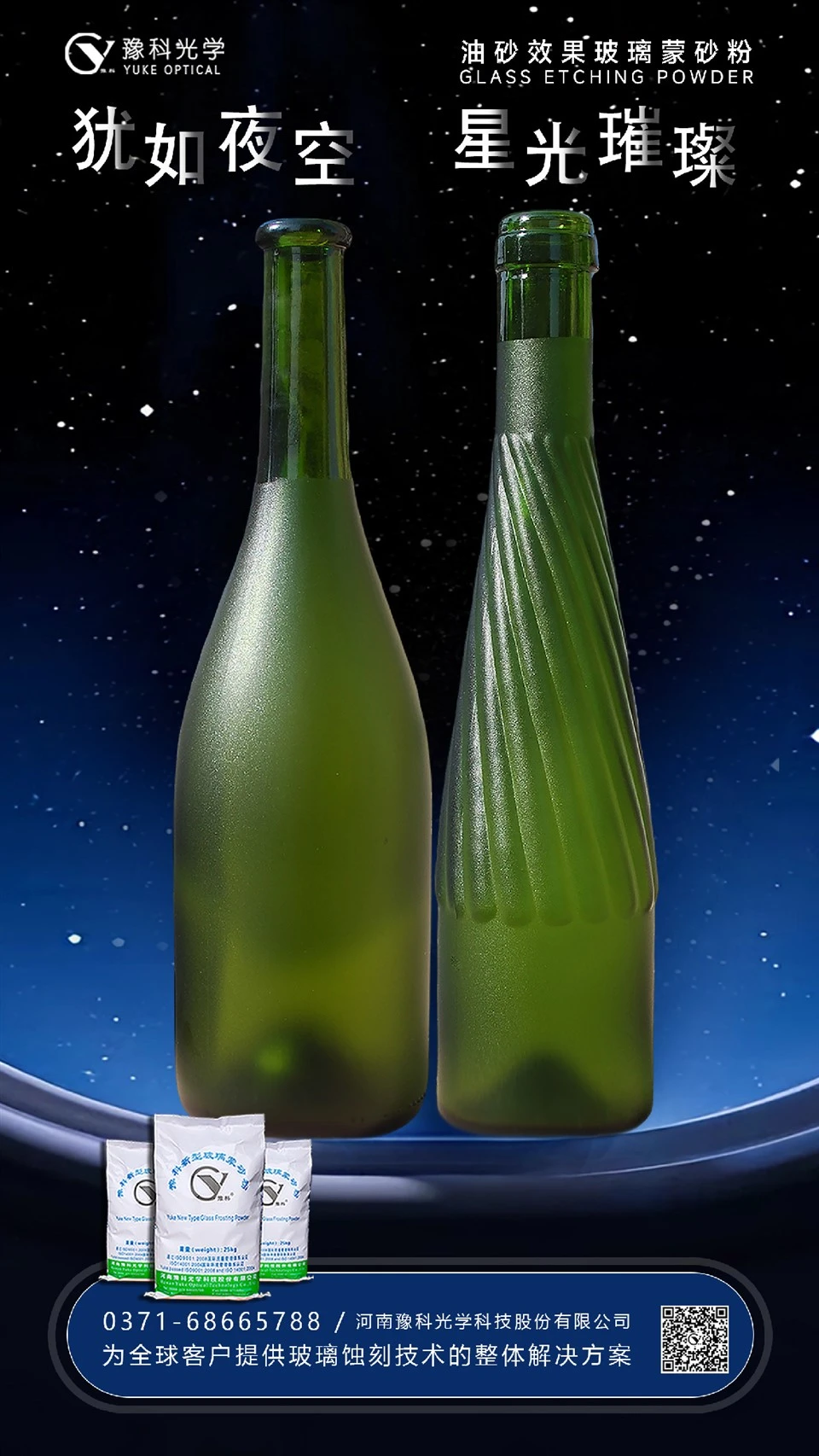
Durability is a major factor when choosing between chemical and vinyl frosting. Chemical frosting is extremely durable. Once the chemical process is complete, the frosted effect is part of the glass itself. It can withstand normal wear and tear, cleaning, and exposure to the elements. For instance, if you have a Gleaming Surface On The Green Wine Bottles with chemical frosting, it can be washed and reused multiple times without losing its frosted appearance.
Vinyl frosting, unfortunately, is not as durable. It can be easily scratched or damaged, especially in high - traffic areas. If the vinyl gets wet or is exposed to harsh chemicals, it may start to peel or lose its adhesive properties. So, if you're looking for a long - lasting solution, chemical frosting is definitely the way to go.
Cost
Cost is always a consideration. Chemical frosting can be more expensive upfront. The chemicals used in the process are often specialized and can be costly. Plus, the equipment and expertise required for chemical frosting add to the overall cost. However, when you consider the long - term durability, the cost per use can be quite reasonable.
Vinyl frosting, on the other hand, is generally cheaper upfront. The vinyl film itself is relatively inexpensive, and the application process is simple and doesn't require any special equipment. But if you need to replace the vinyl frequently due to damage or wear, the long - term cost can add up.
Application Process
The application process for chemical frosting is a bit more involved. It requires a clean and well - ventilated workspace, as the chemicals can be hazardous. First, the glass needs to be thoroughly cleaned to ensure a good reaction with the chemicals. Then, the chemical solution is applied to the glass surface, usually with a brush or a spray. After a certain period of time, the chemical is rinsed off, and the glass is left to dry. It's a process that requires some skill and experience to get the best results.
Vinyl frosting is much easier to apply. You just need to measure the glass surface, cut the vinyl to size, and peel off the backing paper. Then, you stick the vinyl onto the glass and smooth out any air bubbles. It's a DIY - friendly option that can be done by anyone, even without any special training.
Environmental Impact
From an environmental perspective, chemical frosting can be a bit of a mixed bag. The chemicals used in the process can be harmful if not disposed of properly. However, many modern chemical frosting products are being developed to be more environmentally friendly, with lower levels of toxic substances.
Vinyl frosting also has its environmental issues. The vinyl film is made from plastic, which is not biodegradable. And when it's time to replace the vinyl, it often ends up in landfills.
Versatility
Chemical frosting can be used on a wide variety of glass shapes and sizes. Whether it's a small bottle or a large window, chemical frosting can be applied evenly. You can also control the degree of frosting, from a very light, almost transparent frosted look to a more opaque one. For example, our High - end Ware Bottle Jar Frosting Powder can be adjusted to create different levels of frosting on bottles and jars.
Vinyl frosting, while versatile in terms of patterns, may have some limitations when it comes to complex shapes. It can be difficult to apply vinyl smoothly on curved or irregularly shaped glass surfaces.
Maintenance
Maintenance for chemically frosted glass is pretty straightforward. You can clean it just like you would clean normal glass, using mild soap and water. The frosted surface is resistant to stains and dirt, so it generally doesn't require any special cleaning products.
Vinyl frosting, however, needs to be cleaned more carefully. Harsh cleaning products can damage the vinyl, and you need to be gentle when removing dirt and fingerprints.
Conclusion
So, which one is better? Well, it really depends on your specific needs. If you're looking for a permanent, high - end, and durable solution, chemical frosting is the way to go. It offers a beautiful, consistent appearance that can withstand the test of time. On the other hand, if you want a quick, inexpensive, and easily changeable option, vinyl frosting might be more suitable for you.
As a supplier of chemical frosting of glass, I can provide you with high - quality products and professional advice. If you're interested in learning more about our chemical frosting solutions or have any questions about the comparison between chemical and vinyl frosting, feel free to reach out for a procurement discussion.
References
- "Glass Frosting Techniques: A Comprehensive Guide"
- "The Science Behind Chemical and Vinyl Frosting"
- Industry reports on glass frosting materials and applications