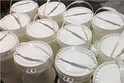
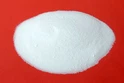
Hey there! As a supplier of Glass Etching Powder, I've seen a lot of folks run into the issue of over - etching when using our product. Over - etching can really mess up your glass projects, turning what should be a beautiful, frosted finish into a rough, uneven mess. But don't worry! I'm here to share some tips on how you can prevent over - etching and get that perfect glass etching every time.
Understanding the Basics of Glass Etching
First things first, let's quickly go over how glass etching powder works. Glass etching powder, which is a type of Glass Etching Chemical, contains chemicals that react with the surface of the glass. When you mix the powder with water to create a paste and apply it to the glass, the chemicals start to break down the glass's surface layer, creating that frosted look we all love.
The key to preventing over - etching lies in controlling this chemical reaction. If the reaction goes on for too long or is too intense, you'll end up with over - etched glass.
Pre - Project Preparation
Before you even start mixing up your glass etching powder, there are a few things you should do.
Choose the Right Glass
Not all glass is created equal when it comes to etching. Some types of glass are more resistant to etching than others. For example, borosilicate glass is more durable and may require a longer etching time compared to regular soda - lime glass. Make sure you know what type of glass you're working with and adjust your etching process accordingly.
Clean the Glass Thoroughly
Any dirt, grease, or fingerprints on the glass can interfere with the etching process. Use a glass cleaner and a lint - free cloth to clean the glass surface. You can also give it a final wipe with rubbing alcohol to ensure it's completely clean and ready for etching.
Mixing the Glass Etching Powder
Once your glass is clean and ready, it's time to mix up the Glass Etching Powder.
Follow the Instructions
This might seem obvious, but it's really important. The instructions on the powder packaging are there for a reason. They'll tell you the correct ratio of powder to water and how long the etching process should take. Don't try to deviate from these instructions unless you have a good reason and some experience with glass etching.
Test the Mixture
Before you apply the mixture to your actual project, it's a good idea to do a test on a small, scrap piece of the same type of glass. This will give you an idea of how the etching process will work and if you need to make any adjustments.
Applying the Etching Mixture
Now comes the fun part - applying the etching mixture to the glass.
Use a Stencil (if needed)
If you're creating a specific design on the glass, using a stencil is a great way to ensure clean lines and prevent over - etching in unwanted areas. Make sure the stencil is firmly attached to the glass so that the etching mixture doesn't seep under it.
Apply the Mixture Evenly
Use a brush or a spatula to apply the etching mixture evenly over the area you want to etch. A thick, uneven layer can cause uneven etching and increase the risk of over - etching in some spots.
Controlling the Etching Time
This is probably the most crucial step in preventing over - etching.
Set a Timer
Once you've applied the etching mixture, set a timer based on the instructions on the powder packaging. Don't be tempted to leave the mixture on for longer, thinking it will give you a better result. In most cases, it will just lead to over - etching.
Check the Progress
If you're unsure about the etching time, you can check the progress periodically. After a few minutes, carefully wipe away a small area of the mixture with a damp cloth to see how the etching is coming along. But be careful not to touch the rest of the mixture or disrupt the etching process.
Stopping the Etching Process
When the timer goes off, it's time to stop the etching process.


Rinse the Glass Immediately
Use plenty of water to rinse the glass thoroughly. This will wash away the etching mixture and stop the chemical reaction. Make sure you rinse all areas of the glass, especially the edges, to remove any remaining mixture.
Neutralize the Chemicals (if necessary)
Some glass etching powders may require you to neutralize the chemicals on the glass surface after rinsing. Check the instructions on the powder packaging to see if this is necessary. If it is, use a neutralizing solution as directed.
Post - Etching Care
After you've etched your glass, there are a few things you can do to ensure the best results.
Clean the Glass Again
Once the glass is dry, give it another gentle clean with a glass cleaner to remove any residue from the etching process.
Protect the Etched Surface
If you're using the etched glass for a project that will be handled frequently, you may want to apply a protective coating to the etched surface. This will help prevent scratches and keep the etched design looking great for longer.
Troubleshooting
Even if you follow all these steps, you may still run into some issues. Here are some common problems and how to fix them.
Uneven Etching
If you notice that the etching is uneven, it could be due to an uneven application of the etching mixture or differences in the glass surface. Try applying a second, thin layer of the mixture to the areas that need more etching, but be careful not to over - etch.
Over - Etching
If you've accidentally over - etched the glass, there's not much you can do to reverse it. However, you can try sanding the over - etched area gently with fine - grit sandpaper to smooth it out. This won't completely fix the problem, but it can make it less noticeable.
Conclusion
Preventing over - etching when using glass etching powder is all about being careful, following the instructions, and controlling the etching process. By doing your pre - project preparation, mixing the powder correctly, applying it evenly, and controlling the etching time, you can achieve beautiful, professional - looking etched glass every time.
If you're interested in purchasing our high - quality Glass Etching Powder or Material For Frosted Glass Decoration, feel free to reach out to us for more information and to start a procurement discussion. We're here to help you with all your glass etching needs!
References
- General knowledge from years of experience as a glass etching powder supplier.
- Product instructions and technical data from our glass etching powder products.