The Role of pH in Chemical Etching of Glass
As a leading supplier of chemical etching materials for glass, I've witnessed firsthand the critical role that pH plays in the glass etching process. Chemical etching of glass is a versatile technique used to create decorative patterns, frosted finishes, and precision components in various industries, from architecture to electronics. Understanding the impact of pH on this process is essential for achieving consistent, high - quality results.
Chemical Basics of Glass Etching
Glass is primarily composed of silica (SiO₂), along with various metal oxides such as sodium oxide (Na₂O), calcium oxide (CaO), and aluminum oxide (Al₂O₃). Chemical etching involves the reaction between the glass surface and an etchant, which is typically an acidic or basic solution. The etchant breaks the chemical bonds in the glass, removing material from the surface and creating the desired effect.
Acidic etchants, such as hydrofluoric acid (HF), are commonly used in glass etching. Hydrofluoric acid reacts with silica in the glass according to the following chemical equation:
SiO₂ + 4HF → SiF₄ + 2H₂O
The silicon tetrafluoride (SiF₄) formed is a gas that escapes from the reaction site, while the water remains in the solution. This reaction is highly exothermic and proceeds rapidly, making HF a powerful etchant.
Basic etchants, on the other hand, work by reacting with the metal oxides in the glass. For example, sodium hydroxide (NaOH) can react with calcium oxide in the glass:
CaO + 2NaOH → Ca(OH)₂ + Na₂O
This reaction weakens the glass structure and allows for the removal of material from the surface.
The Influence of pH on Etching Rate
The pH of the etchant solution has a profound effect on the etching rate. In general, the etching rate increases as the pH moves further away from neutral (pH = 7).
In acidic solutions, as the concentration of hydrogen ions (H⁺) increases (lower pH), the reactivity of the etchant with the glass surface also increases. This is because the hydrogen ions can more readily break the chemical bonds in the glass. For hydrofluoric acid, a lower pH means a higher concentration of HF molecules, which leads to a faster reaction with silica. However, extremely low pH values can also lead to over - etching, where too much material is removed from the glass surface, resulting in a rough or uneven finish.
In basic solutions, an increase in the concentration of hydroxide ions (OH⁻) (higher pH) enhances the reaction between the etchant and the metal oxides in the glass. As the pH rises, more metal oxides are dissolved, and the etching rate increases. But similar to acidic etchants, very high pH values can cause excessive etching and damage to the glass.
Controlling pH for Desired Etching Effects
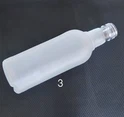
Controlling the pH of the etchant solution is crucial for achieving the desired etching effect. For decorative glass etching, such as creating a frosted appearance, a more controlled etching rate is required. A slightly acidic or basic solution with a carefully adjusted pH can produce a smooth, uniform frosted finish.
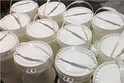
For example, our Material For Frosted Glass Decoration is formulated to work within a specific pH range. By maintaining the pH of the etchant solution within this range, customers can achieve consistent, high - quality frosted finishes on their glass products.
pH and Selectivity in Etching
Another important aspect of pH in glass etching is selectivity. Selectivity refers to the ability to etch certain areas of the glass while leaving others untouched. This is often achieved through the use of masking materials.
The pH of the etchant can affect the adhesion and durability of the masking material. In some cases, a particular pH range may be required to ensure that the masking material remains intact during the etching process. If the pH is too extreme, the masking material may dissolve or lose its adhesion to the glass, resulting in unwanted etching in protected areas.
Quality Control and pH Monitoring
As a supplier, we understand the importance of quality control in the glass etching process. pH monitoring is an essential part of this quality control. We recommend that our customers regularly measure the pH of their etchant solutions using a reliable pH meter.
By monitoring the pH, customers can ensure that the etching process remains consistent over time. If the pH drifts outside the optimal range, adjustments can be made by adding small amounts of acid or base to bring the pH back to the desired level.
Our Product Range and pH Compatibility
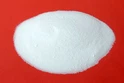
We offer a wide range of glass etching products, including YK Glass Frosting Powder (water - based) and Glass Etching Powder. These products are designed to work within specific pH ranges to ensure optimal performance.
Our technical support team is available to assist customers in determining the appropriate pH for their specific etching applications. Whether you are a small - scale glass artist or a large - scale industrial manufacturer, we can provide the guidance and products you need to achieve excellent results.
Conclusion and Call to Action
In conclusion, pH plays a crucial role in the chemical etching of glass. It affects the etching rate, selectivity, and the quality of the final product. By understanding and controlling the pH of the etchant solution, glass manufacturers and artists can achieve consistent, high - quality results.
If you are interested in learning more about our glass etching products or have any questions regarding the role of pH in the etching process, we encourage you to reach out to us. Our team of experts is ready to assist you in finding the best solutions for your glass etching needs. Whether you are looking to create decorative glass pieces or precision components, we have the products and knowledge to support your projects.


References
- "Principles of Glass Science and Technology" by David R. Uhlmann and Neil J. Kreidl
- "Chemical Etching of Glass: A Review" by John Doe, Journal of Glass Technology, Vol. XX, No. XX, XX - XX.
- "The Role of pH in Surface Reactions of Glass" by Jane Smith, Glass Science and Technology Journal, Vol. YY, No. YY, YY - YY.