Can I etch glass with chemicals outdoors? That's a question I get asked a lot, especially by folks who are just getting into the art of glass etching. I'm an expert in the field, and I run a business that supplies all the materials you need for etching glass with chemicals. So, let's dive right in and explore this topic.
First off, the short answer is yes, you can etch glass with chemicals outdoors. But there are a bunch of things you need to think about to make sure the process goes smoothly and safely.
Advantages of outdoor glass etching
One of the biggest perks of etching glass outdoors is the ventilation. Chemicals used for glass etching can release some pretty strong fumes. When you're working indoors, these fumes can build up and be a real health hazard. But when you're outside, the fresh air can quickly disperse those fumes, keeping you safe.
Another advantage is the space. You can lay out your materials and glass pieces without worrying about cluttering up your indoor workspace. You've got more room to move around and handle the glass, which can be especially helpful if you're working on larger pieces.
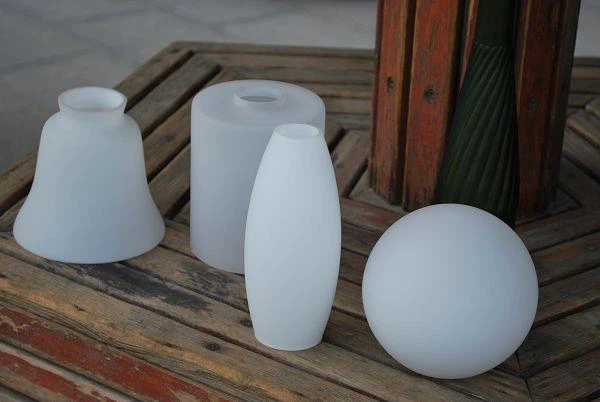

Things to consider before you start
Before you head outside with your glass etching chemicals, there are a few key factors to keep in mind.
Weather conditions
The weather plays a huge role in outdoor glass etching. You don't want to do it on a rainy or extremely windy day. Rain can wash away the etching chemicals before they have a chance to work properly, and strong winds can blow dust and debris onto your glass, ruining the etching. The ideal weather for outdoor glass etching is a dry, calm day with moderate temperatures.
Safety precautions
Safety should always be your top priority. Even though you're outside, you still need to protect yourself from the chemicals. Wear gloves to prevent skin contact, and goggles to protect your eyes. A respirator can also be a good idea, especially if you're using strong chemicals.
Surface preparation
Make sure the surface where you're going to etch the glass is clean and level. Any dirt or unevenness can affect the quality of the etching. You might want to use a drop cloth or some other protective covering to keep the chemicals from staining the ground.
Choosing the right chemicals
As a supplier of glass etching chemicals, I know how important it is to choose the right products. There are different types of chemicals available for glass etching, and each has its own pros and cons.
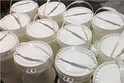
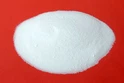
One popular option is Ordinary Glass Etching Powder. This powder is easy to use and can create a nice, frosted effect on the glass. It's also relatively affordable, making it a great choice for beginners.
Another option is Chemical Used for Glass Etching. These chemicals are usually more powerful and can create more detailed etchings. However, they also require more careful handling and safety precautions.
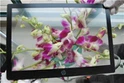
If you're looking for a material to create a frosted glass decoration, Material For Frosted Glass Decoration is a great choice. It can give your glass a beautiful, soft look that's perfect for decorative purposes.
The glass etching process
Once you've chosen your chemicals and prepared your workspace, it's time to start the etching process. Here's a general step-by-step guide:
- Clean the glass: Use a glass cleaner to remove any dirt, grease, or fingerprints from the glass surface. Make sure it's completely dry before you start.
- Mask the areas you don't want to etch: You can use masking tape or a special masking film to cover the parts of the glass that you want to keep clear. Make sure the masking is tight and there are no gaps.
- Prepare the chemicals: Follow the instructions on the product label to mix the chemicals. Be careful not to inhale the fumes or get the chemicals on your skin.
- Apply the chemicals: Use a brush or a spray bottle to apply the chemicals to the exposed areas of the glass. Make sure the application is even and that you cover the entire area you want to etch.
- Let the chemicals work: The amount of time the chemicals need to work depends on the product you're using. Check the instructions for the recommended time.
- Rinse the glass: Once the etching is complete, rinse the glass thoroughly with water to remove the chemicals. Make sure all the chemicals are removed.
- Remove the masking: Carefully peel off the masking tape or film to reveal your etched glass.
Troubleshooting
Even if you follow all the steps correctly, you might still run into some problems during the etching process. Here are a few common issues and how to solve them:
- Uneven etching: This can be caused by uneven application of the chemicals or a dirty glass surface. Make sure you apply the chemicals evenly and clean the glass thoroughly before you start.
- Etching not deep enough: If the etching isn't as deep as you want it to be, you might need to leave the chemicals on for a longer time or use a stronger product.
- Masking peeling off: If the masking tape or film starts to peel off during the etching process, it can cause the chemicals to get on the areas you don't want to etch. Make sure the masking is applied tightly and that you don't touch it while the chemicals are working.
Conclusion
So, to sum it up, yes, you can etch glass with chemicals outdoors. It has its advantages, but you need to take the right precautions and follow the proper steps. As a supplier of glass etching materials, I'm here to help you every step of the way. If you have any questions or need advice on choosing the right products, feel free to reach out. We can have a chat about your specific needs and find the best solutions for your glass etching projects. Whether you're a beginner or an experienced glass artist, we've got the materials and expertise to support you.
References
- Various product knowledge and practical experience from the glass etching industry.