Humidity is a crucial environmental factor that can significantly influence various industrial processes, and the use of glass frosting chemicals is no exception. As a supplier of glass frosting chemicals, I've witnessed firsthand how humidity levels can alter the performance, application, and end - results of our products. In this blog, I'll delve into the intricate relationship between humidity and the use of glass frosting chemicals, sharing insights based on years of experience in the industry.
The Basics of Glass Frosting Chemicals
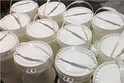
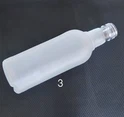
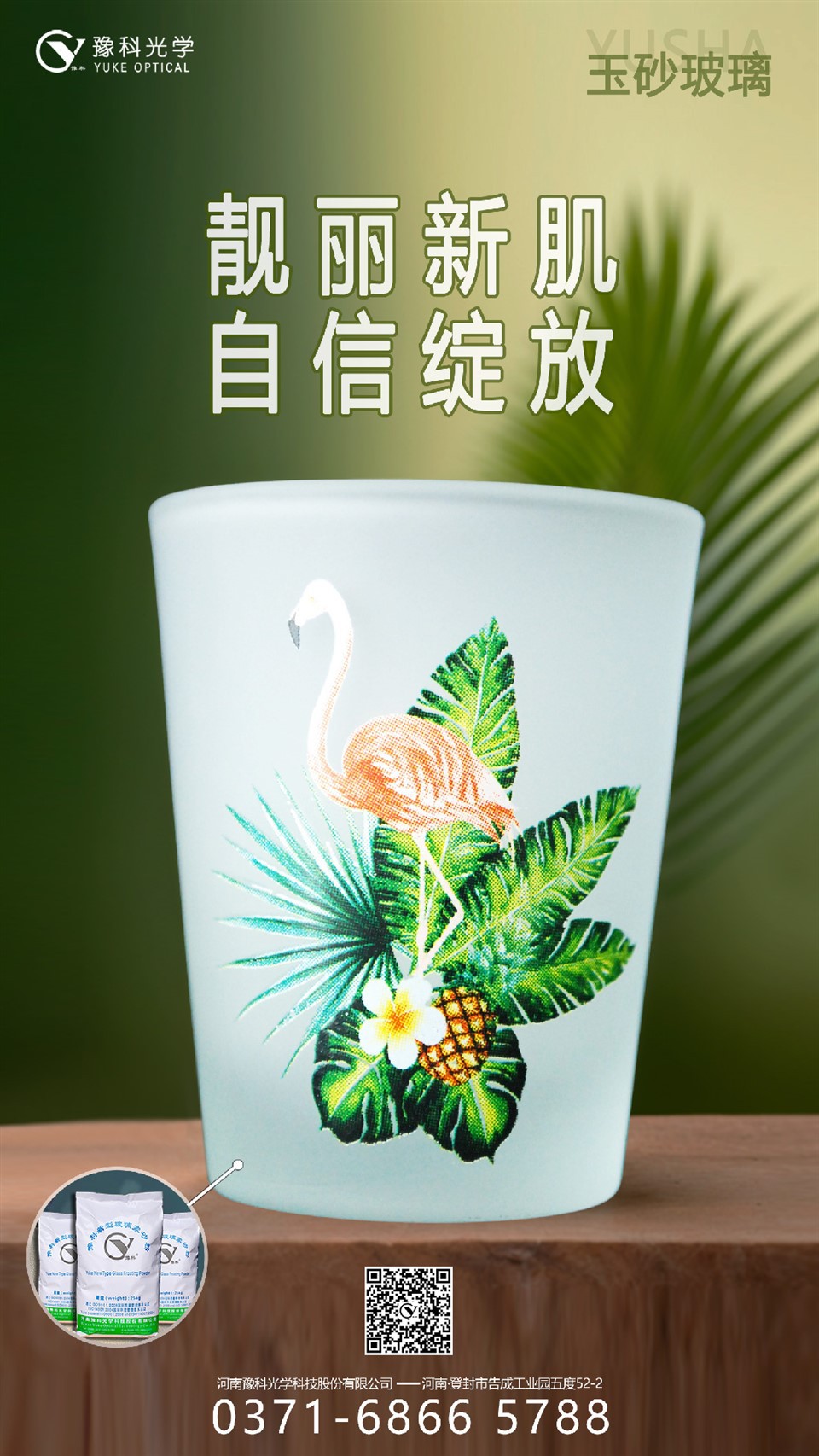
Before we explore the impact of humidity, let's briefly understand what glass frosting chemicals are. These chemicals are used to create a frosted appearance on glass surfaces. The frosting effect can be used for both aesthetic and functional purposes. Aesthetically, it adds a touch of elegance and privacy to glass products such as Oil Sand Glass Liquor Bottle, Oil Sand Effect Glass Cosmetic Bottle, and Tea Cup Water Bottle Artistic Flower Pattern. Functionally, it can reduce glare and enhance the safety of glass by diffusing light.
The most common types of glass frosting chemicals include hydrofluoric acid - based solutions, fluoride salts, and other chemical compounds that react with the glass surface to etch and create the frosted look. The chemical reaction between these substances and the glass is a delicate process that can be easily influenced by external factors, including humidity.
Impact of Low Humidity on Glass Frosting Chemicals
Low humidity, typically defined as relative humidity below 30%, can have several effects on the use of glass frosting chemicals.
1. Drying Rate
One of the most noticeable impacts is on the drying rate of the frosting chemical. In low - humidity environments, the moisture in the chemical solution evaporates more quickly. This rapid evaporation can cause the chemical reaction to occur too fast, leading to an uneven frosting effect. For example, the edges of the glass may become over - frosted while the center remains under - frosted. In some cases, the fast - drying can also result in the formation of a crust on the surface of the chemical, preventing it from properly reacting with the glass in the areas covered by the crust.
2. Chemical Concentration
As the moisture evaporates rapidly, the concentration of the active ingredients in the frosting chemical increases. This change in concentration can affect the etching strength of the chemical. A higher concentration may lead to a more aggressive etching, which can cause the glass to become overly frosted or even damaged. On the other hand, if the user tries to compensate for the fast - drying by applying more solution, it can lead to waste and potentially create a mess in the work area.
3. Adhesion
Low humidity can also impact the adhesion of the frosting chemical to the glass surface. The lack of moisture in the air can cause the glass surface to be more static, which may attract dust particles. These dust particles can act as barriers between the chemical and the glass, preventing proper adhesion and resulting in a patchy frosting effect.
Impact of High Humidity on Glass Frosting Chemicals
High humidity, usually considered as relative humidity above 70%, also poses its own set of challenges.
1. Slow Reaction Rate
In high - humidity environments, the presence of excess moisture in the air can slow down the chemical reaction between the frosting chemical and the glass. The water molecules in the air can interfere with the active ingredients in the chemical, reducing their reactivity. This results in a longer processing time, which can be inefficient for mass production. For instance, if a manufacturer is producing a large number of Oil Sand Effect Glass Cosmetic Bottle, the extended processing time can lead to a bottleneck in the production line.
2. Blotchy Appearance
The excess moisture can also cause the frosting chemical to spread unevenly on the glass surface. As the chemical tries to dry, the water in the air can cause it to bead up or run off in some areas, creating a blotchy or streaky appearance. This is particularly problematic for products where a uniform frosting effect is desired, such as Tea Cup Water Bottle Artistic Flower Pattern, where the aesthetic appeal depends on a smooth and consistent finish.
3. Corrosion Risk
High humidity can increase the risk of corrosion for the equipment used in the glass frosting process. The moisture in the air can react with the metal parts of the equipment, leading to rust and other forms of corrosion. This not only shortens the lifespan of the equipment but can also contaminate the glass frosting chemicals, affecting their performance.
Optimal Humidity Conditions for Using Glass Frosting Chemicals
Based on our experience, the optimal relative humidity for using glass frosting chemicals is between 40% and 60%. In this range, the chemical reaction occurs at a balanced rate, resulting in a uniform and high - quality frosting effect. The drying rate of the chemical is neither too fast nor too slow, allowing for proper adhesion and even etching of the glass surface.

To maintain the optimal humidity level, manufacturers can use dehumidifiers or humidifiers in their work areas. Dehumidifiers are useful in high - humidity environments to remove excess moisture from the air, while humidifiers can add moisture in low - humidity conditions. Additionally, proper ventilation is essential to ensure a consistent humidity level throughout the workspace.
Strategies for Dealing with Non - Optimal Humidity
In situations where the humidity cannot be easily controlled, there are several strategies that can be employed to mitigate the effects on the use of glass frosting chemicals.
1. Adjusting Application Techniques
In low - humidity conditions, applying the frosting chemical in thinner layers can help prevent rapid drying and uneven frosting. This allows for more control over the chemical reaction and ensures a more consistent finish. In high - humidity conditions, using a faster - drying chemical formulation or pre - heating the glass surface slightly can help speed up the reaction.
2. Quality Control
Implementing strict quality control measures is crucial when working in non - optimal humidity conditions. Regular inspections of the frosted glass products can help identify any issues early on, allowing for adjustments to be made to the process. This can include re - frosting defective areas or adjusting the chemical concentration based on the observed results.
3. Product Development
As a glass frosting chemical supplier, we are constantly working on developing products that are more resistant to the effects of humidity. This involves researching and formulating new chemical compounds that can perform consistently across a wider range of humidity levels.
Conclusion
Humidity plays a vital role in the use of glass frosting chemicals. Whether it's low or high humidity, each condition presents unique challenges that can affect the performance and quality of the frosting process. By understanding these impacts and implementing appropriate strategies, manufacturers can ensure consistent and high - quality results.
If you're in the market for glass frosting chemicals and are looking for a reliable supplier, we'd love to hear from you. Our team of experts can provide you with the right products and advice to help you achieve the best results, regardless of the humidity conditions in your workspace. Contact us today to start a discussion about your glass frosting needs and explore how our products can meet your requirements.
References
- ASTM International. (Year). Standard test methods for glass surface properties.
- Chemical Engineering Journal. (Year). Impact of environmental factors on chemical reactions in glass processing.
- Glass Industry Magazine. (Year). Best practices for glass frosting in different humidity conditions.