As a seasoned supplier of glass frosting chemicals, I've witnessed firsthand the transformative power of these substances in the glass industry. Glass frosting, a process that imparts a smooth, opaque finish to glass surfaces, has become increasingly popular for its aesthetic appeal and functional benefits. One of the most pressing questions that clients often ask is about the durability of glass frosting created by glass frosting chemicals. In this blog post, I'll delve into the factors that influence the durability of glass frosting and share insights based on my years of experience in the field.

Understanding the Glass Frosting Process
Before we discuss durability, it's essential to understand how glass frosting chemicals work. These chemicals typically contain strong acids or alkaline substances that react with the surface of the glass. When applied, they etch away the top layer of the glass, creating a rough surface that scatters light and gives the glass a frosted appearance. This chemical reaction is what fundamentally changes the glass surface and is the basis for the durability of the frosting.
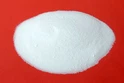
The most common types of glass frosting chemicals include hydrofluoric acid-based solutions, which are highly effective at etching glass due to the strong bond between fluorine and silicon in the glass structure. Other alternatives, such as glass frosting powders and creams, are also available and are often preferred for their ease of use and lower toxicity. For more information on different glass frosting materials, you can visit Glass Frosting Powder Glass Etching Cream Wine Bottle India.
Factors Affecting the Durability of Glass Frosting
Quality of the Glass
The type and quality of the glass play a significant role in the durability of the frosting. Different types of glass, such as soda-lime glass, borosilicate glass, and tempered glass, have varying chemical compositions and physical properties. Soda-lime glass, which is the most common type used in everyday applications, is generally more reactive to glass frosting chemicals and can achieve a good frosted finish. However, it may also be more prone to scratching and wear compared to tempered glass, which is heat-treated to increase its strength and durability.
Chemical Composition of the Frosting Agent
The chemical composition of the glass frosting chemical is another crucial factor. High-quality chemicals are formulated to provide a consistent and long-lasting frosted effect. For example, hydrofluoric acid-based solutions can create a deep and durable etch on the glass surface. However, they require careful handling due to their corrosive nature. On the other hand, some eco-friendly and less toxic alternatives may not provide the same level of durability, especially in high-traffic or harsh environments.
Application Method
The way the glass frosting chemical is applied can significantly impact the durability of the frosting. Proper application techniques ensure an even distribution of the chemical on the glass surface, which is essential for a uniform and long-lasting frosted finish. Factors such as the thickness of the chemical layer, the application time, and the temperature during application can all affect the final result. For instance, if the chemical is not applied evenly, some areas of the glass may have a weaker frosting that is more susceptible to wear and tear. To learn more about the process of creating matte glass, you can refer to How Is Matt Glass Made.
Environmental Conditions
The environment in which the frosted glass is placed also affects its durability. Glass in outdoor settings is exposed to harsh weather conditions, such as sunlight, rain, and temperature fluctuations, which can gradually degrade the frosted surface. UV radiation from the sun can cause the glass to discolor over time, while moisture can lead to the growth of mold and mildew, which may damage the frosting. In indoor environments, factors like cleaning agents and abrasion from daily use can also impact the longevity of the frosting.
Assessing the Durability of Glass Frosting
There are several ways to assess the durability of glass frosting. One common method is to perform scratch tests using standardized tools to measure the resistance of the frosted surface to scratching. Another approach is to conduct accelerated aging tests, where the frosted glass is exposed to simulated environmental conditions, such as high humidity and UV radiation, for an extended period to evaluate its long-term performance.
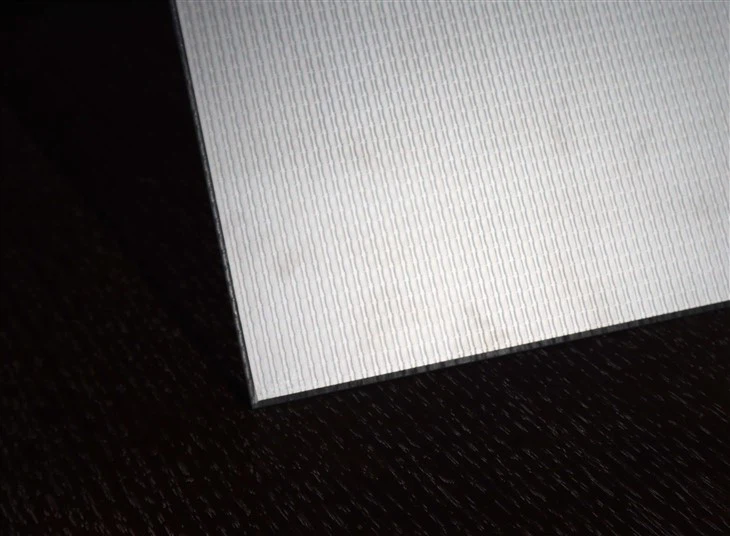
In general, a well-applied and high-quality glass frosting can last for many years, even in demanding environments. However, it's important to note that the durability can vary depending on the factors mentioned above. For example, frosted glass used in a residential bathroom may last longer than glass used in a commercial kitchen, where it is exposed to more frequent cleaning and abrasion.
Applications and Durability Requirements
The durability requirements of glass frosting vary depending on the application. In architectural applications, such as windows and partitions, frosted glass needs to withstand long-term exposure to the elements and regular cleaning. For this reason, a more durable frosting is often preferred. In decorative applications, such as Moulded Satin Matte Glass, the focus may be more on the aesthetic appeal, but durability is still important to ensure that the frosted effect remains intact over time.
In the food and beverage industry, frosted glass is commonly used for wine bottles and containers. Here, the durability of the frosting is crucial to maintain the product's appearance and prevent any contamination. Our glass frosting chemicals are formulated to meet the strict safety and durability standards required in this industry.
Maintaining the Durability of Frosted Glass
To ensure the long-term durability of frosted glass, proper maintenance is essential. When cleaning frosted glass, it's important to use gentle cleaning agents that are specifically designed for glass surfaces. Avoid using abrasive materials or harsh chemicals, as these can damage the frosted surface. Regular cleaning can help remove dirt and grime, which can otherwise accumulate and cause the frosting to appear dull or discolored.
Conclusion
In conclusion, the durability of glass frosting created by glass frosting chemicals is influenced by a variety of factors, including the quality of the glass, the chemical composition of the frosting agent, the application method, and the environmental conditions. By understanding these factors and taking appropriate measures to ensure proper application and maintenance, it's possible to achieve a long-lasting and high-quality frosted finish.
As a supplier of glass frosting chemicals, I'm committed to providing products that offer excellent durability and performance. Whether you're working on an architectural project, a decorative application, or a food and beverage packaging solution, our glass frosting chemicals can help you achieve the desired results. If you're interested in learning more about our products or have any questions about glass frosting, I encourage you to reach out to us for a consultation. We're here to help you make the best choices for your glass frosting needs.
References
- "Glass Science and Technology" by D. R. Uhlmann and N. J. Kreidl.
- "Handbook of Glass Properties" edited by W. A. Weyl.
- Industry reports on glass frosting and chemical applications.