Achieving different frosting effects with glass frosting materials is an art that combines both science and creativity. As a trusted glass frosting material supplier, I've witnessed firsthand the transformative power of these products in various industries, from beverage packaging to household appliances. In this blog post, I'll share some insights on how to achieve different frosting effects using our high - quality glass frosting materials.
Understanding Glass Frosting Materials
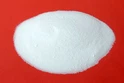
Before delving into the different frosting effects, it's essential to understand the types of glass frosting materials available. Our product range includes chemical etching compounds, spray - on frosters, and film - based solutions. Each type has its unique properties and application methods, which directly influence the final frosting effect.
Chemical etching compounds are highly effective in creating a permanent and deep - etched frosted look. They work by reacting with the surface of the glass, removing a thin layer and creating a rough texture that scatters light. This results in a classic frosted appearance that is commonly used in high - end glassware and architectural glass.


Spray - on frosters, on the other hand, offer a quick and easy way to achieve a frosted effect. They are ideal for DIY projects and small - scale applications. These products typically contain fine particles that adhere to the glass surface, creating a semi - transparent, frosted finish.
Film - based solutions are a popular choice for temporary or removable frosting. They come in various patterns and levels of opacity, allowing for a wide range of creative possibilities. These films can be easily applied and removed without damaging the glass, making them suitable for rental properties or seasonal decorations.
Creating a Satin Effect
One of the most sought - after frosting effects is the satin finish. This smooth, velvety look gives glass a luxurious and elegant appearance. To achieve a satin effect, our chemical etching compounds are the perfect choice.
First, prepare the glass surface by cleaning it thoroughly to remove any dirt, grease, or fingerprints. A clean surface ensures that the etching compound adheres evenly and produces a consistent finish. Then, apply the etching compound according to the manufacturer's instructions. Usually, this involves using a brush or a sprayer to coat the glass surface evenly.
Allow the compound to react with the glass for the recommended time. The reaction time can vary depending on the specific product and the desired level of frosting. After the reaction is complete, rinse the glass thoroughly with water to remove the etching compound.
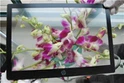
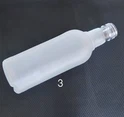
The result is a beautiful satin - finished glass, similar to what you can see on a Satin Effect Glass Liquor Bottle. This effect is not only aesthetically pleasing but also practical, as it helps to hide scratches and fingerprints on the glass surface.
Frosting for Beverage Containers
When it comes to beverage containers such as wine bottles, soda bottles, and soft - drink jars, a unique frosting effect can enhance the brand image and product appeal. Our spray - on frosters are well - suited for this application.
The advantage of using spray - on frosters on beverage containers is the ease of application. You can achieve a beautiful etched - frost effect with just a few simple steps. First, ensure that the bottle or jar is clean and dry. Then, hold the sprayer at a consistent distance from the glass surface and apply the froster in a steady, even motion.
The Wine Soda Botte Soft Drink Jar Etch Frost Beautiful Effect Easy Clear Preventing Finger Prints showcases the kind of effect you can achieve. The frosted surface not only looks attractive but also helps to prevent fingerprints, keeping the bottle looking clean and presentable on the shelf.
Frosting for Refrigerator Glass
Refrigerator glass often requires a specific type of frosting to balance aesthetics and functionality. Our film - based solutions are an excellent option for this application.
When choosing a film for refrigerator glass, consider factors such as transparency, durability, and ease of cleaning. Our films come in different levels of opacity, allowing you to customize the look of the refrigerator glass. For example, a semi - transparent film can provide privacy while still allowing you to see the contents inside the refrigerator.
The What Glass Used On Refrigerator article provides more in - depth information on the suitable glass and frosting options for refrigerators. Applying the film is a straightforward process. Simply measure the glass surface, cut the film to the appropriate size, and then carefully apply it to the glass, smoothing out any air bubbles.
Tips for Achieving Consistent Frosting Effects
Regardless of the frosting method you choose, there are some general tips to ensure consistent and high - quality results.
- Surface Preparation: As mentioned earlier, a clean and dry glass surface is crucial. Use a glass cleaner and a lint - free cloth to remove all contaminants before applying the frosting material.
- Application Technique: Follow the manufacturer's instructions carefully. Whether it's brushing, spraying, or applying a film, the right technique can make a significant difference in the final outcome. For example, when spraying, maintain a consistent distance from the glass and use smooth, even strokes.
- Testing: Before applying the frosting material to the entire glass surface, it's a good idea to test it on a small, inconspicuous area. This allows you to check the effect and make any necessary adjustments.
Contact Us for Your Frosting Needs
If you're interested in exploring the different frosting effects that our glass frosting materials can offer, we'd love to hear from you. Our team of experts can provide detailed product information, technical support, and guidance on achieving the perfect frosting effect for your specific application. Whether you're a large - scale manufacturer or a DIY enthusiast, we have the right products and solutions for you. Contact us today to start your frosting project and bring your creative ideas to life.
References
- Glass Manufacturing Handbook: A comprehensive guide to glass production and finishing techniques.
- Frosted Glass Design Trends: An industry report on the latest trends in frosted glass applications.
- Product Manuals: References to the specific instructions and technical details provided with our glass frosting materials.