Hey there! As a supplier of Etching Powder For Glass, I often get asked about how to adjust the etching powder solution for different glass thicknesses. It's a crucial topic because getting the solution right can make a huge difference in the quality of the etching process. So, let's dive into it!
Understanding the Basics of Glass Etching
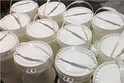
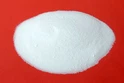
Before we talk about adjusting the solution, let's quickly go over what glass etching is. Glass etching is a process that uses chemicals to create a frosted or decorative effect on the surface of the glass. It's commonly used in industries like architecture, interior design, and art. There are different types of etching powders available, such as the YK-I Glass Etching Powder and YK Glass Frosting Powder (water-based). These powders are mixed with water to form a solution that reacts with the glass surface.
The chemical reaction in glass etching involves the etching powder solution breaking down the silica in the glass. This creates a rough surface that scatters light, giving the glass a frosted appearance. The strength of the solution and the duration of the etching process determine the depth and quality of the etching. You can learn more about the Glass Surface Chemical Etching process on our website.
Factors Affecting the Etching Process
Several factors can affect the etching process, and glass thickness is one of the most important ones. Thicker glass requires a stronger solution or a longer etching time because the chemical reaction needs to penetrate deeper into the glass. Other factors include the type of glass, the temperature of the solution, and the agitation of the solution during the etching process.
The type of glass matters because different types of glass have different chemical compositions. For example, borosilicate glass is more resistant to chemical etching than soda-lime glass. So, you might need to adjust the solution strength accordingly. The temperature of the solution also plays a role. Higher temperatures generally speed up the chemical reaction, but if the temperature is too high, it can cause the solution to evaporate too quickly or damage the glass.
Adjusting the Etching Powder Solution for Different Glass Thicknesses
Now, let's get to the main point: how to adjust the etching powder solution for different glass thicknesses.
Thin Glass (Less than 3mm)
Thin glass is more delicate and requires a milder etching powder solution. A strong solution can cause the glass to crack or break during the etching process. For thin glass, I recommend starting with a solution ratio of 1 part etching powder to 5 parts water. This creates a relatively weak solution that will etch the glass surface gently.
When using this solution, make sure to keep the etching time short, usually around 2 - 3 minutes. You can always check the progress of the etching by removing the glass from the solution and rinsing it with water. If the etching is not deep enough, you can gently re - immerse the glass in the solution for a short additional period.
Medium - Thickness Glass (3mm - 6mm)
Medium - thickness glass can tolerate a stronger solution. For this type of glass, a ratio of 1 part etching powder to 3 parts water is a good starting point. This solution will etch the glass more deeply than the solution for thin glass.
The etching time for medium - thickness glass is usually around 5 - 7 minutes. However, it's important to monitor the process closely. You can use a timer and check the glass periodically. If the etching seems too slow, you can increase the solution strength slightly by adding a little more etching powder.
Thick Glass (More than 6mm)
Thick glass needs a very strong solution to achieve a good etching effect. I suggest using a ratio of 1 part etching powder to 2 parts water. This concentrated solution will be able to penetrate the thick glass and create a deep, even etching.
The etching time for thick glass can be quite long, ranging from 10 - 15 minutes or even longer depending on the desired depth of the etching. You may also need to agitate the solution gently during the etching process to ensure that the chemical reaction is uniform across the glass surface.


Tips for a Successful Etching Process
- Safety First: Always wear protective gloves, goggles, and a mask when handling the etching powder and solution. The chemicals in the etching powder can be harmful if they come into contact with your skin or eyes.
- Mixing the Solution: When mixing the etching powder with water, add the powder slowly to the water while stirring continuously. This helps to prevent clumps from forming in the solution.
- Testing: Before etching a large piece of glass, it's a good idea to test the solution on a small, scrap piece of the same type and thickness of glass. This allows you to adjust the solution and etching time as needed.
Conclusion
Adjusting the etching powder solution for different glass thicknesses is essential for achieving a high - quality etching result. By understanding the relationship between glass thickness, solution strength, and etching time, you can ensure that your glass etching projects are successful. Whether you're working with thin, medium, or thick glass, following the guidelines I've provided will help you get the best possible outcome.
If you're interested in purchasing our YK-I Glass Etching Powder or YK Glass Frosting Powder (water-based), feel free to reach out to us. We're always happy to discuss your specific needs and provide you with the best possible solutions for your glass etching projects.
References
- Glass etching industry best practices and research
- Internal product testing and development data from our company's R & D department