Hey there! I'm a supplier in the chemical etching for glass business, and I know how crucial it is to pick the right catalyst for this process. Chemical etching of glass is a super cool technique that can transform plain glass into something truly amazing, whether it's for decorative purposes or industrial applications. But with so many catalysts out there, it can be a real headache to figure out which one is the best fit for your needs. So, in this blog, I'm gonna share some tips on how to choose the right catalyst for chemical etching for glass.
Understanding Chemical Etching for Glass
First things first, let's quickly go over what chemical etching for glass actually is. It's a process where we use chemicals to remove a thin layer of the glass surface, creating a frosted or textured appearance. This can be used to add privacy to windows, create beautiful designs on glassware, or enhance the functionality of glass in various industries.
The key to a successful chemical etching process lies in the catalyst. A catalyst is a substance that speeds up a chemical reaction without being consumed in the process. In the case of glass etching, the catalyst helps to break down the glass surface more efficiently, resulting in a smoother and more consistent etch.
Factors to Consider When Choosing a Catalyst
1. Etching Speed
One of the most important factors to consider is how fast you need the etching to happen. Some catalysts work really quickly, which is great if you're on a tight schedule or need to etch a large number of glass pieces. On the other hand, slower catalysts might be better if you're working on a detailed design and need more control over the etching process.
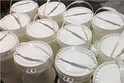
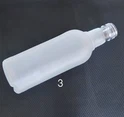
For example, if you're etching glass bottles for a large - scale production, you might want to use a catalyst that offers a relatively fast etching speed. Check out YK Glass Frosting Powder For Glass Bottles which is known for its efficient etching capabilities and can help you get the job done in a timely manner.
2. Etching Quality
The quality of the etch is also a major concern. You want a catalyst that will give you a smooth, even finish without any streaks or uneven spots. Different catalysts can produce different levels of etching quality, depending on their chemical composition and how they interact with the glass.
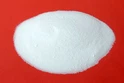
Some catalysts are better at creating a fine, frosted finish, while others are more suitable for creating a deeper, more textured etch. If you're looking for high - quality chemical etching materials for glass decoration, Chemical Etching Materials For Glass Decoration can provide you with options that ensure a top - notch finish.
3. Compatibility with Glass Type
Not all glass is created equal, and different types of glass require different catalysts. For instance, soda - lime glass, which is commonly used in windows and glassware, might react differently to a catalyst compared to borosilicate glass, which is more heat - resistant and often used in laboratory equipment.
Before choosing a catalyst, make sure you know what type of glass you're working with. Some catalysts are specifically formulated to work with certain types of glass, so doing your research in this area can save you a lot of time and hassle.
4. Safety
Safety should always be a top priority when working with chemicals. Some catalysts can be quite hazardous, releasing harmful fumes or causing skin irritation. You want to choose a catalyst that is as safe as possible to handle, especially if you're going to be working with it on a regular basis.
Look for catalysts that come with proper safety instructions and have a good safety record. Also, make sure you use the appropriate safety equipment, such as gloves and goggles, when handling these chemicals.
5. Cost
Let's face it, cost is a factor in any business decision. You want to find a catalyst that offers a good balance between quality and price. Some high - end catalysts might offer superior etching results but come with a hefty price tag, while cheaper options might not give you the same level of quality.
It's important to do a cost - benefit analysis and figure out what you can afford without sacrificing too much on the quality of the etching.
Types of Catalysts for Glass Etching
1. Fluoride - Based Catalysts
Fluoride - based catalysts are one of the most commonly used types for glass etching. They work by reacting with the silica in the glass to form a soluble compound, which can then be washed away. These catalysts are known for their fast etching speed and ability to create a smooth, frosted finish.
However, fluoride - based catalysts can be quite toxic and require careful handling. They also need to be disposed of properly to avoid environmental contamination.
2. Acid - Based Catalysts
Acid - based catalysts, such as hydrochloric acid or sulfuric acid, can also be used for glass etching. They work by dissolving the glass surface through a chemical reaction. These catalysts are often cheaper than fluoride - based ones, but they might not be as effective for creating a fine, frosted finish.
Acid - based catalysts can also be corrosive and dangerous to handle, so make sure you take all the necessary safety precautions.


3. Organic Catalysts
Organic catalysts are a more environmentally friendly option for glass etching. They are made from natural or synthetic organic compounds and are generally less toxic than fluoride - based or acid - based catalysts.
While organic catalysts might not offer the same fast etching speed as some of the other options, they can still produce a decent etch quality. Satinal Substance for Glass Etching is an example of an organic - based product that offers a more sustainable approach to glass etching.
Testing the Catalyst
Before committing to a large - scale purchase of a catalyst, it's a good idea to do some testing. Get a small sample of the catalyst and try it out on a few pieces of glass similar to what you'll be working with.
This will allow you to see how the catalyst performs in terms of etching speed, quality, and compatibility with the glass. You can also check for any safety issues or unexpected reactions during the testing phase.
Conclusion
Choosing the right catalyst for chemical etching for glass is a decision that requires careful consideration. By taking into account factors such as etching speed, quality, compatibility with glass type, safety, and cost, you can find the catalyst that best suits your needs.
Remember, there's no one - size - fits - all solution, and what works for one project might not work for another. So, do your research, test different catalysts, and don't be afraid to ask for advice from other professionals in the industry.
If you're interested in purchasing high - quality chemical etching materials for glass, I'd love to have a chat with you. We can discuss your specific requirements and find the perfect catalyst for your projects. Reach out to me, and let's start this exciting journey of transforming glass together!
References
- Handbook of Glass Etching Techniques, 3rd Edition
- Journal of Chemical Etching for Materials
- Safety Guidelines for Working with Chemical Catalysts in Glass Etching