Hey there! As a supplier in the field of acid etching for glass, I've got a ton of hands - on experience and knowledge to share with you about how to control the depth of acid etching for glass. It's a crucial aspect, whether you're into creating stunning glass art, making functional glassware, or doing some industrial glass etching.
Understanding the Basics of Acid Etching for Glass
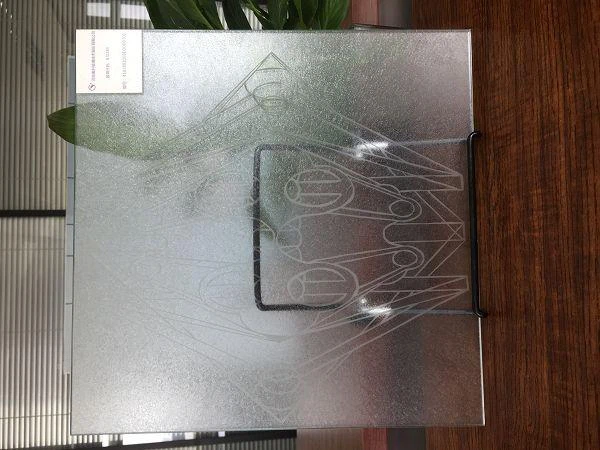
First off, let's quickly go over what acid etching for glass is. Acid etching is a process where we use acidic chemicals to remove the surface layer of glass, creating a frosted or textured look. It's a great way to add a unique touch to glass products. You can find more detailed info about this process on our page Chemical Etching for Glass.
The most commonly used acids for glass etching are hydrofluoric acid (HF) and its compounds. These acids react with the silica in the glass, breaking down the chemical bonds and dissolving the surface layer. But working with these acids can be dangerous, so proper safety measures are a must.

Factors Affecting the Depth of Acid Etching
Acid Concentration
The concentration of the acid solution is one of the most significant factors influencing the etching depth. A higher concentration of acid will generally etch the glass more deeply and more quickly. For example, if you're using a 10% hydrofluoric acid solution, it will etch the glass at a slower rate compared to a 20% solution.
But be careful! Using a very high - concentration acid can lead to over - etching, which might ruin the glass. You need to find the right balance based on your desired etching depth. If you're new to this, it's a good idea to start with a lower concentration and gradually increase it as you gain more experience.
Etching Time
The longer the glass is exposed to the acid, the deeper the etching will be. This is a straightforward relationship, but it requires careful monitoring. You can't just leave the glass in the acid and forget about it. Set a timer and check the glass regularly to see how the etching is progressing.
For shallow etches, a few minutes might be enough. But for deeper etches, it could take several hours. Remember, once you're satisfied with the etching depth, you need to remove the glass from the acid immediately and rinse it thoroughly to stop the etching process.
Temperature
Temperature also plays a role in the acid - etching process. Higher temperatures generally speed up the chemical reaction between the acid and the glass, resulting in a deeper etch in a shorter period. But increasing the temperature too much can also cause the acid to evaporate more quickly, which can be a safety hazard and also affect the consistency of the etching.
Most of the time, room temperature (around 20 - 25°C) is a good starting point. If you need to increase the etching speed, you can slightly warm the acid solution, but don't go overboard.
Glass Composition
Different types of glass have different compositions, and this can affect how they react to the acid. For instance, borosilicate glass is more resistant to acid etching compared to soda - lime glass. So, if you're working with different types of glass, you'll need to adjust the acid concentration, etching time, and other parameters accordingly.
Controlling the Depth of Acid Etching
Testing and Experimentation
The best way to control the etching depth is through testing and experimentation. Before you start a large - scale project, make some test pieces using the same type of glass, acid, and etching conditions you plan to use. Try different acid concentrations, etching times, and temperatures on these test pieces to see how they affect the etching depth.
Keep a record of your experiments, including the parameters you used and the resulting etching depth. This will help you create a reference guide for future projects. You can also find more tips on our page Etching Glass by Acid Chemical.
Using Masks
Masks are a great tool for controlling the etching depth in specific areas. You can use materials like vinyl, tape, or photoresist to create a mask on the glass. The areas covered by the mask will not be etched, while the exposed areas will be.
By carefully designing the mask, you can create different patterns and control the etching depth in different parts of the glass. For example, you can have some areas with a shallow etch and others with a deeper etch on the same piece of glass.
Monitoring the Etching Process
As I mentioned earlier, monitoring the etching process is crucial. You can use a microscope or a magnifying glass to check the etching depth as it progresses. This will allow you to make adjustments to the etching time or other parameters if needed.
If you notice that the etching is progressing too slowly, you can increase the acid concentration slightly or raise the temperature a bit. On the other hand, if the etching is going too fast, you can remove the glass from the acid earlier or dilute the acid solution.
Safety Considerations
Working with acid for glass etching is not without risks. Hydrofluoric acid, in particular, is extremely dangerous. It can cause severe burns, and if absorbed into the body, it can have serious health effects.
Always wear appropriate personal protective equipment (PPE), including gloves, goggles, and a lab coat. Work in a well - ventilated area to avoid inhaling the acid fumes. And have a neutralizing solution on hand in case of spills.
Conclusion
Controlling the depth of acid etching for glass is a combination of understanding the factors that affect the etching process, careful experimentation, and strict safety measures. By following these guidelines, you can achieve the desired etching depth for your glass projects, whether they're for art, decoration, or industrial use.
If you're interested in purchasing high - quality acid - etching materials for your glass projects, we're here to help. We offer a wide range of Chemical Etching Materials For Glass Decoration. Whether you're a professional glass artist or a hobbyist, we've got the products you need. Contact us to start a purchase negotiation, and let's create some amazing glass pieces together!
References
- Handbook of Glass Etching Techniques
- Journal of Glass Science and Technology articles on acid etching