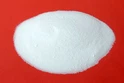
Hey there! As a supplier of Etching Powder For Glass, I've seen firsthand how amazing it can be to transform ordinary glass into something extraordinary. But let's be real, working with etching powder isn't all fun and games. There are some serious safety precautions you need to take. So, let's dive into what you should keep in mind when using this stuff.

Personal Protective Equipment (PPE)
First things first, PPE is non - negotiable. You don't want to end up with any nasty burns or inhale harmful fumes.
Gloves: Always wear chemical - resistant gloves. The etching powder can be highly corrosive, and regular gloves won't cut it. Nitrile gloves are a great choice as they offer good protection against a wide range of chemicals. They're flexible, so you can still handle the glass and the powder without too much trouble.
Goggles: Your eyes are precious, and you don't want any etching powder getting into them. Safety goggles will shield your eyes from splashes and airborne particles. Make sure they fit well and seal around your eyes to prevent any powder from sneaking in.
Respirator: Inhaling the dust from etching powder can be extremely harmful to your lungs. A respirator with the right filters is essential. Look for a respirator that's rated for the specific chemicals in your etching powder. It might feel a bit uncomfortable at first, but it's a small price to pay for your health.
Apron: A chemical - resistant apron will protect your clothes and skin from spills. You don't want the powder to soak through your clothes and come into contact with your skin. It's a simple addition to your safety gear, but it can make a big difference.
Workspace Safety
Where you work is just as important as how you work.
Ventilation: Good ventilation is a must. Etching powder can release fumes that are not only unpleasant but also dangerous. Work in a well - ventilated area, like near an open window or under a fume hood. If you don't have a fume hood, you can use a fan to blow the fumes away from you.
Clean Workspace: Keep your workspace clean and organized. Remove any clutter that could cause you to trip or knock over the etching powder. Wipe up any spills immediately. If the powder dries on a surface, it can be harder to clean and might pose a risk later on.
Separate Storage: Store your etching powder separately from other chemicals. Some chemicals can react with the etching powder, causing dangerous reactions. Keep it in a cool, dry place, away from heat sources and direct sunlight.
Handling and Mixing
When it comes to handling and mixing the etching powder, there are some key steps to follow.
Read the Instructions: This might seem obvious, but you'd be surprised how many people skip this step. Read the instructions on the etching powder package carefully. It will tell you how to mix the powder, what ratio to use, and any special precautions.
Use the Right Tools: Use dedicated tools for handling the etching powder. Don't use tools that you also use for food or other non - chemical tasks. A plastic or glass container is ideal for mixing the powder. Avoid using metal containers as they can react with the chemicals.
Mixing Process: When mixing the powder, add it slowly to the water. Never add water to the powder, as this can cause a violent reaction. Stir gently to avoid creating dust. If you're using a large quantity, it might be a good idea to wear a face shield in addition to your goggles and respirator.
Glass Preparation and Etching
Preparing the glass and actually doing the etching also require some safety steps.
Inspect the Glass: Before you start etching, inspect the glass for any cracks or chips. A damaged glass could break during the etching process, causing the etching powder to spill.
Masking: Use masking tape or a resist to protect the areas of the glass that you don't want to etch. Make sure the masking is secure so that the etching powder doesn't seep under it.
Etching Process: When applying the etching powder mixture to the glass, be careful not to splash it. Use a brush or a spray bottle, depending on the effect you want. Keep the etching time within the recommended range. Over - etching can not only ruin the glass but also increase the risk of chemical exposure.
After - Use Safety
Once you're done with the etching, there are still some safety steps to take.
Clean Up: Clean all your tools and equipment thoroughly. Rinse them with plenty of water to remove any traces of the etching powder. Dispose of any leftover powder and used solutions according to local regulations.
Wash Your Hands: Wash your hands thoroughly with soap and water after handling the etching powder. Don't touch your face or eat until you've washed your hands.
Examples of Glass Products
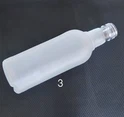
Now, let's talk about some of the cool glass products you can create with our etching powder. You can transform Lime Soda Peach Drink Bottle Beverage Glass Bottle Wine Bottle With Special Efection into unique pieces. The etching powder can add a special touch to these bottles, making them stand out.
If you're interested in the Chemical Used for Glass Etching, our product is a great choice. It's formulated to give you a high - quality etching effect while still being relatively safe when used correctly. And if you want to learn more about Etching Glass with Chemicals, there are plenty of resources available on our website.
Conclusion
Using etching powder for glass can be a really rewarding experience, but it's important to take safety seriously. By following these safety precautions, you can protect yourself and create beautiful glass products at the same time.
If you're interested in purchasing our Etching Powder For Glass, we'd love to hear from you. Whether you're a small - scale crafter or a large - scale manufacturer, we have the right product for you. Reach out to us for more information and to start a procurement discussion.
References
- Safety Data Sheets of Etching Powders
- Industry Standards for Glass Etching Chemicals
- Professional Glass Etching Guides