Hey there! I'm a supplier of Etching Powder For Glass, and I know a thing or two about dealing with the used stuff. In this blog, I'll share some tips on how to properly dispose of used etching powder for glass.
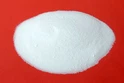
First off, let's understand what etching powder for glass is and what it does. Etching powder is used to create beautiful, frosted designs on glass surfaces. It works by chemically reacting with the glass, creating a rough, matte finish. You can find more about the process of etching glass with chemicals on this page: Etching Glass with Chemicals. And if you're interested in the materials needed for glass etching, check out this link: Materials Needed for Glass Etching.
Now, when it comes to using our AG GALSS ETCING POWDER FOR ACID ETCHING GLASS PRODUCTION, it's a great product that gives you excellent results. But once you're done with it, you can't just toss it in the trash. Why? Well, etching powder often contains chemicals that can be harmful to the environment and human health if not disposed of correctly.
Know Your Chemicals
The first step in proper disposal is to know what's in the used etching powder. Different etching powders have different chemical compositions. Some common chemicals found in etching powders include hydrofluoric acid (HF), ammonium bifluoride, and other fluoride compounds. These chemicals are highly corrosive and toxic.
If you're not sure what's in your used etching powder, check the product label or the safety data sheet (SDS) that came with it. The SDS will list all the chemicals in the powder, their hazards, and recommended handling procedures.
Separate and Collect
Once you've used the etching powder, don't just leave it mixed with other waste. Separate the used etching powder from other materials and collect it in a suitable container. A plastic or glass container with a tight - fitting lid is a good choice. Make sure the container is labeled clearly as "Used Etching Powder - Hazardous" to avoid any accidental exposure.
Check Local Regulations
Disposal regulations for hazardous waste vary from place to place. You need to check with your local environmental protection agency or waste management facility to find out the specific rules in your area. Some places may require you to take the used etching powder to a designated hazardous waste collection site. Others may have specific procedures for home - based disposal.
For example, in some areas, you might be able to take your used etching powder to a local recycling center that specializes in hazardous materials. In other areas, you may need to arrange for a professional waste disposal company to pick it up.
Neutralize if Possible
In some cases, you can neutralize the used etching powder before disposal. This can reduce its hazardous nature. However, this should only be done if you have the proper knowledge and equipment.
If the etching powder contains acids like hydrofluoric acid, you can use a base to neutralize it. Calcium carbonate (lime) is a common neutralizing agent. But be careful when handling these chemicals. Wear appropriate personal protective equipment (PPE) such as gloves, goggles, and a respirator.
To neutralize the powder, slowly add the neutralizing agent to the used etching powder while stirring gently. Keep adding the base until the pH of the mixture reaches a neutral level (around 7). You can use pH test strips to check the pH.
Professional Disposal
If you're not confident in handling the used etching powder yourself, it's best to hire a professional waste disposal company. These companies have the expertise and equipment to handle hazardous waste safely.
They will collect the used etching powder from your location, transport it to a proper treatment facility, and ensure that it's disposed of in an environmentally friendly way. Although it may cost you some money, it's a small price to pay for the safety of the environment and your health.
Storage Before Disposal
While you're waiting to dispose of the used etching powder, you need to store it properly. Keep the container in a cool, dry place away from heat, flames, and incompatible materials. Make sure the storage area is well - ventilated to prevent the build - up of fumes.
Also, keep the container out of reach of children and pets. Remember, even a small amount of the used etching powder can be dangerous if ingested or inhaled.
Importance of Proper Disposal
Proper disposal of used etching powder is not just a legal requirement; it's also crucial for the environment and human health. When etching powder is dumped in landfills or poured down the drain, the chemicals can leach into the soil and water, contaminating groundwater and harming wildlife.
In addition, improper handling of etching powder can lead to exposure to toxic chemicals, which can cause serious health problems such as skin burns, respiratory issues, and even long - term health effects like cancer.
Minimizing Waste
As a supplier, I also want to share some tips on minimizing the amount of used etching powder. First, use the right amount of powder for your project. Don't over - use it. You can follow the instructions on the product label to determine the correct quantity.
Second, try to reuse the etching powder if possible. In some cases, you can filter the used powder and reuse it for less critical applications. This not only reduces waste but also saves you money.
Conclusion
Disposing of used etching powder for glass is a serious matter. You need to know what's in the powder, follow local regulations, and take appropriate steps to ensure safe disposal. Whether it's separating the powder, neutralizing it, or hiring a professional disposal company, every step counts.
If you're in the market for high - quality etching powder for glass, don't hesitate to reach out. We offer top - notch products that are not only effective but also come with clear instructions on use and disposal. Contact us to start a conversation about your glass - etching needs and how we can provide you with the best solutions.
References
- Safety Data Sheets of Etching Powders
- Local Environmental Protection Agency Guidelines
- Professional Waste Disposal Company Information