As a supplier of Etching Glass Materials, I've witnessed firsthand the transformative power of glass etching. It's an art form that combines creativity with science, turning ordinary glass into extraordinary pieces. One of the most common challenges faced by artists, craftsmen, and DIY enthusiasts is making the etched area more visible. In this blog, I'll share some insights and techniques using the materials we supply to help you achieve this goal.
Understanding the Basics of Glass Etching
Before we delve into the methods of enhancing the visibility of etched areas, it's essential to understand how glass etching works. Glass etching is a process that involves using chemicals or abrasive materials to remove a thin layer of glass, creating a frosted or textured surface. The most common materials used for glass etching include Etching Powder for Glass, which typically contains hydrofluoric acid or other strong acids, and abrasive materials like sandblasting agents.
When the etching material comes into contact with the glass surface, it reacts with the silica in the glass, breaking down the chemical bonds and removing the top layer. This creates a rough surface that scatters light, resulting in the characteristic frosted appearance. The visibility of the etched area depends on several factors, including the type of etching material used, the etching process, and the surface finish of the glass.
Choosing the Right Etching Material
The choice of etching material plays a crucial role in determining the visibility of the etched area. Different materials have different etching properties, which can affect the depth, texture, and clarity of the etched surface.
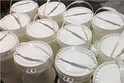
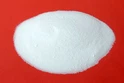
- Etching Powder for Glass: This is a popular choice for both professional and amateur glass etchers. It's easy to use and can produce a consistent, frosted finish. The powder is typically mixed with water to form a paste, which is then applied to the glass surface. The strength of the etching solution can be adjusted by varying the ratio of powder to water. A stronger solution will etch the glass more deeply, resulting in a more visible and pronounced etched area. However, it's important to use caution when working with etching powder, as it contains strong acids that can be hazardous if not handled properly.
- Etching Glass with Chemicals: Chemical etching involves using liquid chemicals, such as hydrofluoric acid or ammonium bifluoride, to etch the glass. This method allows for more precise control over the etching process and can produce a finer, more detailed etched pattern. However, chemical etching requires more specialized equipment and safety precautions, as these chemicals are highly corrosive and toxic.
Preparing the Glass Surface
Proper preparation of the glass surface is essential for achieving a clear and visible etched area. Before applying the etching material, the glass should be thoroughly cleaned and dried to remove any dirt, grease, or fingerprints. This can be done using a mild detergent and water, followed by a rinse with clean water and a dry with a lint-free cloth.
In addition to cleaning, the glass surface may also need to be sanded or polished to create a smooth and uniform surface. This can help the etching material adhere more evenly to the glass, resulting in a more consistent etched finish. However, be careful not to over-sand the glass, as this can damage the surface and affect the quality of the etching.
Applying the Etching Material
Once the glass surface is prepared, it's time to apply the etching material. The method of application will depend on the type of etching material used.


- Etching Powder for Glass: When using etching powder, the paste should be applied evenly to the glass surface using a brush or a sponge. Make sure to cover the entire area that you want to etch, and apply the paste in a thick, consistent layer. Allow the paste to sit on the glass for the recommended amount of time, which can vary depending on the strength of the etching solution and the desired depth of the etching. After the etching time is up, rinse the glass thoroughly with water to remove the paste and any remaining etching material.
- Etching Glass with Chemicals: Chemical etching requires a more precise application method. The chemical solution is typically applied using a spray gun or a brush, and the glass is often placed in a protective container to prevent the solution from splashing or dripping. The etching time and temperature need to be carefully controlled to ensure a consistent and uniform etched finish.
Enhancing the Visibility of the Etched Area
After the etching process is complete, there are several techniques you can use to enhance the visibility of the etched area.
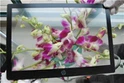
- Backlighting: One of the most effective ways to make the etched area more visible is to use backlighting. By placing a light source behind the glass, the etched area will appear brighter and more pronounced, as the light is scattered and refracted by the rough surface. This technique is commonly used in glass art installations and signage to create a dramatic effect.
- Coloring the Etched Area: Another way to enhance the visibility of the etched area is to add color. This can be done using a variety of methods, such as painting, staining, or using colored glass paints. Coloring the etched area can make it stand out against the surrounding glass, making it more visible and eye-catching.
- Surface Finishing: The surface finish of the glass can also affect the visibility of the etched area. A smooth, polished glass surface will reflect more light, making the etched area less visible. On the other hand, a textured or frosted glass surface will scatter light, enhancing the visibility of the etched area. You can achieve a textured surface by using a sandblasting technique or by applying a textured coating to the glass.
Case Study: Etching a Lime Soda Peach Drink Bottle
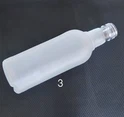
To illustrate these techniques in action, let's consider a case study of etching a Lime Soda Peach Drink Bottle Beverage Glass Bottle Wine Bottle With Special Efection.
First, we prepared the bottle by cleaning it thoroughly with a mild detergent and water. We then sanded the surface of the bottle lightly to create a smooth and uniform surface. Next, we mixed the etching powder with water to form a paste and applied it to the bottle using a brush. We allowed the paste to sit on the bottle for 10 minutes, then rinsed it off with water.
After the etching was complete, we used a backlighting technique to enhance the visibility of the etched area. We placed the bottle on a light box, which provided a uniform and bright light source from behind. The etched area appeared much brighter and more pronounced, creating a beautiful and eye-catching effect.
Finally, we added a touch of color to the etched area by using a colored glass paint. We carefully painted the etched design with a bright, vibrant color, which further enhanced its visibility and made it stand out against the clear glass.
Conclusion
Making the etched area more visible is a combination of choosing the right etching material, preparing the glass surface properly, applying the etching material correctly, and using techniques to enhance the visibility after the etching is complete. As a supplier of Etching Glass Materials, we offer a wide range of products that can help you achieve the best results in your glass etching projects.
If you're interested in learning more about our products or have any questions about glass etching, please don't hesitate to contact us. We're here to provide you with the support and guidance you need to create beautiful and visible etched glass pieces. Whether you're a professional artist, a craftsman, or a DIY enthusiast, we have the materials and expertise to help you bring your creative ideas to life.
References
- "Glass Etching: A Comprehensive Guide" by John Smith
- "The Art of Glass Etching" by Jane Doe
- "Advanced Glass Etching Techniques" by Robert Johnson