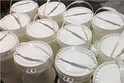
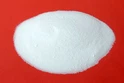
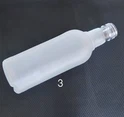
As a supplier of ordinary glass frosting powder, I often receive inquiries from customers about the versatility of our product. One of the most common questions is whether ordinary glass frosting powder can be used on all types of glass. In this blog post, I will delve into this topic, exploring the characteristics of different glass types and the compatibility of our glass frosting powder.
Understanding Glass Types
Before discussing the suitability of ordinary glass frosting powder for various glass types, it's essential to understand the different categories of glass available in the market. Glass can be broadly classified into several types based on its composition, manufacturing process, and intended use.
Soda - Lime Glass
Soda - lime glass is the most common type of glass, accounting for approximately 90% of all glass produced. It is made from silica sand, soda ash, and limestone, and is used in a wide range of applications, including windows, bottles, and tableware. Soda - lime glass is relatively inexpensive to produce and has good chemical resistance and transparency.
Borosilicate Glass
Borosilicate glass contains boron trioxide, which gives it a low coefficient of thermal expansion. This makes it highly resistant to thermal shock, making it suitable for applications such as laboratory glassware, cookware, and high - intensity lighting. Borosilicate glass is more expensive than soda - lime glass but offers superior durability and heat resistance.
Aluminosilicate Glass
Aluminosilicate glass contains aluminum oxide, which enhances its mechanical strength and chemical durability. It is often used in applications where high strength and resistance to corrosion are required, such as smartphone screens, aerospace windows, and automotive windshields.
Lead Glass
Lead glass contains lead oxide, which gives it a high refractive index and excellent optical properties. It is commonly used in the production of crystal glassware, optical lenses, and radiation shielding. However, due to the potential health risks associated with lead, its use has become more restricted in recent years.

Compatibility of Ordinary Glass Frosting Powder with Different Glass Types
The effectiveness of ordinary glass frosting powder depends on several factors, including the chemical composition of the glass, the surface finish, and the application method.
Soda - Lime Glass
Ordinary glass frosting powder generally works well on soda - lime glass. The chemical composition of soda - lime glass allows the frosting powder to react with the surface, creating a frosted appearance. The process involves the use of an acid - based solution in the frosting powder, which etches the glass surface and creates a rough, matte finish. Soda - lime glass is relatively soft and porous, making it easy for the frosting powder to penetrate and create a uniform frosted effect.
Borosilicate Glass
While ordinary glass frosting powder can be used on borosilicate glass, it may require a longer application time or a more concentrated solution. Borosilicate glass is more resistant to chemical attack due to its low coefficient of thermal expansion and high silica content. As a result, the frosting process may be slower, and the frosted effect may not be as uniform as on soda - lime glass.
Aluminosilicate Glass
Aluminosilicate glass is highly resistant to chemical corrosion and mechanical damage. Using ordinary glass frosting powder on aluminosilicate glass can be challenging as the powder may not be able to etch the surface effectively. Specialized frosting powders or alternative frosting methods may be required to achieve the desired frosted effect on aluminosilicate glass.
Lead Glass
Lead glass is also relatively resistant to chemical attack. The presence of lead oxide in the glass can interfere with the reaction between the frosting powder and the glass surface. Similar to aluminosilicate glass, achieving a satisfactory frosted effect on lead glass may require specialized products or techniques.
Application Considerations
In addition to the glass type, the application method also plays a crucial role in the success of the frosting process. When using ordinary glass frosting powder, it is important to follow the manufacturer's instructions carefully.
- Surface Preparation: The glass surface should be clean and free of dirt, grease, and other contaminants. Any impurities on the surface can prevent the frosting powder from adhering properly and may result in an uneven frosted effect.
- Mixing and Application: The frosting powder should be mixed with water or another suitable solvent according to the recommended ratio. The mixture should be applied evenly to the glass surface using a brush, sponge, or spray gun. It is important to ensure that the entire surface is covered to achieve a uniform frosted effect.
- Etching Time: The etching time depends on the type of glass, the concentration of the frosting powder, and the desired frosted effect. Longer etching times generally result in a more pronounced frosted appearance, but over - etching can damage the glass surface.
Applications of Glass Frosting
Glass frosting has a wide range of applications in various industries.
- Decorative Purposes: Frosted glass is often used in interior design to create a sense of privacy while maintaining natural light. It can be used for partitions, doors, windows, and decorative panels. For more information on glass decoration, you can visit Glass Decoration - Oil Sand Effect Glass Bricks.
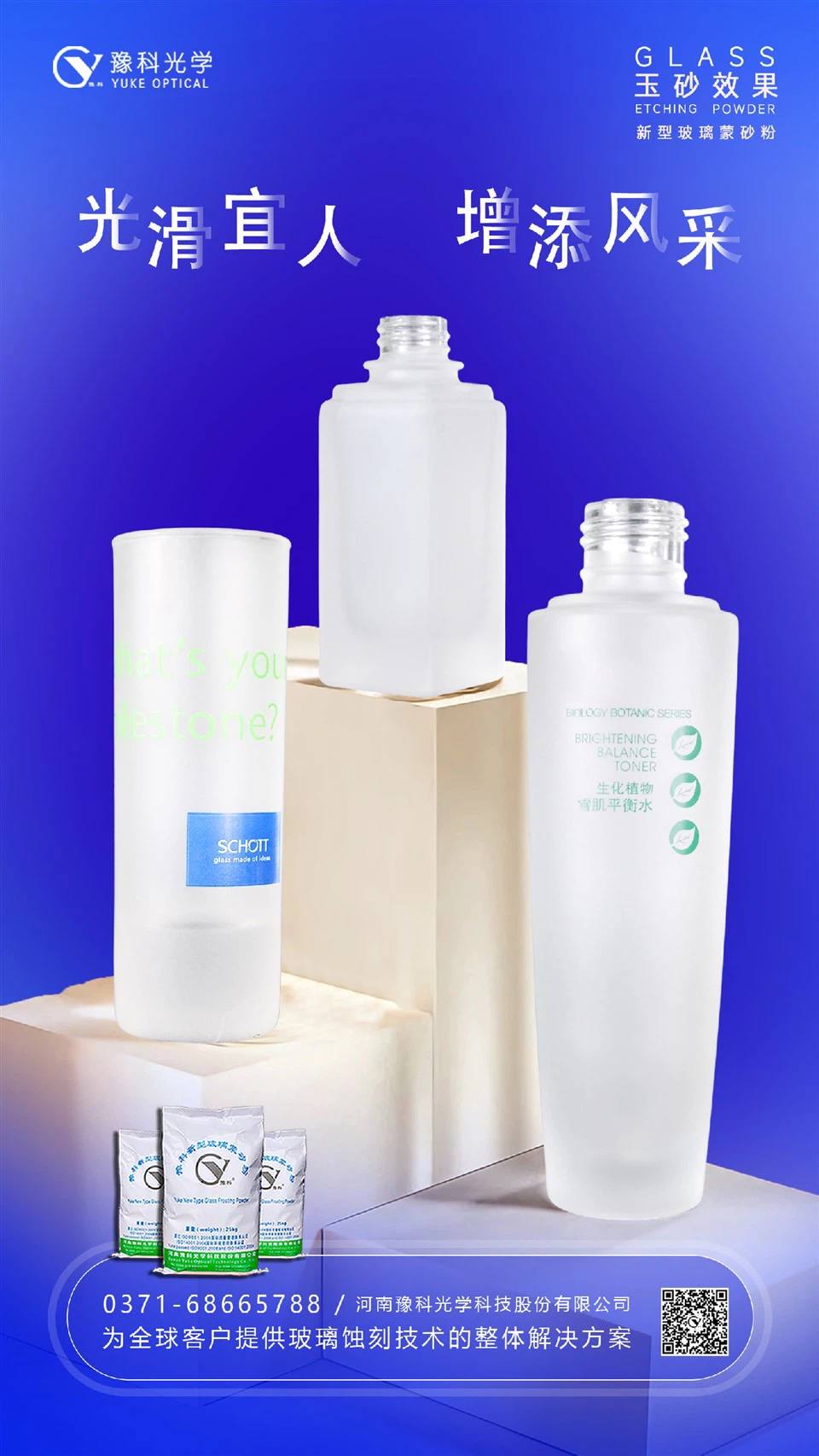
- Cosmetic Packaging: Many cosmetic products are packaged in frosted glass bottles to enhance their aesthetic appeal and provide a sense of luxury. The frosted surface also helps to hide any fingerprints or smudges on the bottle. To learn more about why glass cosmetic bottles often have a matte surface, check out Why Glass Cosmetic Bottles Surface Always Is Matt.
- Industrial Applications: Frosted glass can be used in industrial settings to reduce glare and improve safety. It is commonly used in machinery guards, control panels, and display cases.
Conclusion
In conclusion, ordinary glass frosting powder cannot be used on all types of glass with equal effectiveness. While it works well on soda - lime glass, its performance may vary on other glass types such as borosilicate, aluminosilicate, and lead glass. When considering using glass frosting powder, it is important to take into account the type of glass, the desired frosted effect, and the application method.
As a supplier of ordinary glass frosting powder, we are committed to providing high - quality products and professional advice to our customers. If you have any questions about the compatibility of our frosting powder with your specific glass type or need assistance with the application process, please feel free to contact us. We look forward to discussing your requirements and helping you achieve the perfect frosted glass finish.
If you are interested in learning more about how to etch the matt surface of glass bottles, you can visit How To Etch Matt Surface Of Glass Bottles.
References
- "Glass Science and Technology" by David R. Uhlmann and Norman J. Kreidl
- "Handbook of Glass Properties" by D. E. Day and B. R. Lawn