The use of glass frosting chemicals has gained significant popularity in various applications due to the aesthetic and functional benefits they offer. As a supplier of glass frosting chemicals, I am often asked whether these chemicals can be used on glass partitions. In this blog, I will delve into the viability of using glass frosting chemicals on glass partitions, exploring the process, benefits, and considerations.


Understanding Glass Frosting Chemicals
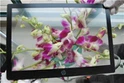
Glass frosting chemicals are substances designed to create a translucent or opaque finish on glass surfaces. These chemicals work by etching the glass, altering its surface texture to scatter light and creating a frosted appearance. There are different types of glass frosting chemicals available in the market, including acid-based and non-acid-based products. Acid-based glass frosting chemicals, such as hydrofluoric acid solutions, are highly effective in creating a deep and durable frosted finish. However, they are also highly corrosive and require careful handling due to their potential hazards. Non-acid-based glass frosting chemicals, on the other hand, are generally safer to use and are suitable for less intensive frosting applications.
Can Glass Frosting Chemicals Be Used on Glass Partitions?
The answer is yes, glass frosting chemicals can be used on glass partitions. Glass partitions are commonly used in commercial and residential settings to create separation while maintaining a sense of openness. Applying a frosted finish to glass partitions can enhance privacy, reduce glare, and add a touch of elegance to the space.
- Privacy: One of the primary reasons for using glass frosting chemicals on glass partitions is to enhance privacy. In office spaces, for example, frosted glass partitions can be used to separate work areas while allowing natural light to pass through. In residential settings, frosted glass partitions can be used in bathrooms or bedrooms to provide privacy without sacrificing the overall aesthetic of the room.
- Glare Reduction: Glass partitions can sometimes cause glare, especially in areas with direct sunlight. A frosted finish can help to reduce glare by scattering light, making the space more comfortable and visually appealing.
- Aesthetics: Glass frosting chemicals offer a wide range of design options, allowing you to create a unique and personalized look for your glass partitions. Whether you prefer a subtle, textured finish or a bold, decorative pattern, glass frosting chemicals can help you achieve the desired effect.
The Process of Using Glass Frosting Chemicals on Glass Partitions
The process of using glass frosting chemicals on glass partitions typically involves the following steps:
- Surface Preparation: Before applying the glass frosting chemical, it is essential to clean the glass partition thoroughly to remove any dirt, dust, or grease. This can be done using a glass cleaner and a lint-free cloth.
- Masking: If you want to create a specific pattern or design on the glass partition, you will need to apply masking tape or stencils to protect the areas that you do not want to be frosted.
- Application: Once the glass partition is clean and masked, you can apply the glass frosting chemical according to the manufacturer's instructions. This typically involves using a brush, sponge, or spray gun to apply the chemical evenly to the glass surface.
- Etching Time: The glass frosting chemical will need to be left on the glass surface for a specific period of time to allow it to etch the glass. The etching time will depend on the type of glass frosting chemical used and the desired depth of the frosted finish.
- Rinsing: After the etching time has elapsed, you will need to rinse the glass partition thoroughly with water to remove the glass frosting chemical. It is important to rinse the glass partition several times to ensure that all of the chemical has been removed.
- Drying: Finally, you will need to dry the glass partition using a clean, lint-free cloth. You can also use a hair dryer on a low setting to speed up the drying process.
Benefits of Using Glass Frosting Chemicals on Glass Partitions
There are several benefits to using glass frosting chemicals on glass partitions, including:
- Cost-Effective: Compared to other methods of achieving a frosted finish on glass, such as sandblasting or laminating, using glass frosting chemicals is a relatively cost-effective option.
- Easy to Apply: Glass frosting chemicals are easy to apply and can be used by DIY enthusiasts or professional installers.
- Customizable: Glass frosting chemicals offer a wide range of design options, allowing you to create a unique and personalized look for your glass partitions.
- Durable: A properly applied frosted finish using glass frosting chemicals can be highly durable and resistant to scratches and abrasions.
Considerations When Using Glass Frosting Chemicals on Glass Partitions
While using glass frosting chemicals on glass partitions can offer many benefits, there are also some considerations to keep in mind:
- Safety: As mentioned earlier, acid-based glass frosting chemicals can be highly corrosive and require careful handling. It is important to wear protective clothing, gloves, and eyewear when using these chemicals, and to follow the manufacturer's instructions carefully.
- Compatibility: Not all glass types are suitable for use with glass frosting chemicals. It is important to test the glass frosting chemical on a small, inconspicuous area of the glass partition before applying it to the entire surface to ensure compatibility.
- Maintenance: A frosted finish on a glass partition may require more maintenance than a clear glass surface. It is important to clean the frosted glass partition regularly using a mild glass cleaner and a soft cloth to prevent the buildup of dirt and grime.
Other Applications of Glass Frosting Chemicals
In addition to glass partitions, glass frosting chemicals can be used in a variety of other applications, including:
- Window Glass: Glass frosting chemicals can be used to create a frosted finish on window glass, enhancing privacy and reducing glare in residential and commercial buildings.
- Mirror Finishing: Frosting the edges of mirrors can add a touch of elegance and sophistication to the overall design.
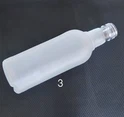
- Decorative Glassware: Glass frosting chemicals can be used to create unique and decorative patterns on glassware, such as vases, bowls, and glasses. For instance, you can achieve a beautiful Matte Surface On The Vodka Bottle using these chemicals.
- Architectural Glass Elements: Beyond partitions, other architectural glass elements like Oil-Sand Float Glass and The Starry Mosaic Glass Brick can also benefit from the application of glass frosting chemicals to enhance their aesthetic appeal.
Conclusion
In conclusion, glass frosting chemicals can be effectively used on glass partitions to enhance privacy, reduce glare, and add a touch of elegance to the space. With a wide range of design options and a relatively cost-effective application process, glass frosting chemicals offer a versatile solution for both residential and commercial settings. However, it is important to consider safety, compatibility, and maintenance when using these chemicals.
If you are interested in exploring the use of glass frosting chemicals for your glass partitions or other applications, I invite you to contact me to discuss your specific needs. Our team of experts can provide you with detailed information, samples, and guidance on the best products and processes for your project. Let's work together to transform your glass surfaces into stunning and functional elements.
References
- “The Chemistry of Glass Frosting.” Journal of Glass Science and Technology.
- “Application Techniques for Glass Frosting Chemicals.” Industrial Glass Magazine.
- Manufacturer's product manuals and safety data sheets for glass frosting chemicals.