Hey there! I'm a supplier of glass etching materials, and today I wanna talk about something super important: the effects of humidity on glass etching materials.
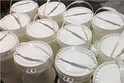
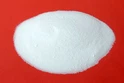
First off, let's quickly go over what glass etching materials are. We've got stuff like YK Glass Frosting Powder (water - based) and Chemical Glass Etching Solution. These materials are used to create those beautiful, frosted designs on glass that you see in fancy restaurants, homes, and even on some cool art pieces. And if you're just getting started with glass etching, you can check out Materials Needed for Glass Etching to get a full list.
Now, let's dig into how humidity can mess with these materials. Humidity is basically the amount of water vapor in the air. And it can have a pretty big impact on glass etching materials in a few different ways.

Impact on Storage
When it comes to storing glass etching materials, humidity is a major factor. High humidity can cause the powder - based materials, like the YK Glass Frosting Powder (water - based), to clump up. You know how salt sometimes gets all clumpy when it's left out in a humid place? Well, the same thing can happen to our glass frosting powder. When the powder clumps, it becomes really hard to use. The clumps won't dissolve properly in the solution, which means you won't get an even etch on the glass.
For liquid materials, like the Chemical Glass Etching Solution, high humidity can lead to evaporation problems. The extra moisture in the air can interfere with the normal evaporation rate of the solution. This might change the concentration of the chemicals in the solution over time. If the concentration gets too high or too low, it can affect the quality of the etching. For example, a solution that's too diluted might not etch the glass deeply enough, leaving a faint or uneven design.
On the flip side, low humidity can also be an issue. In a very dry environment, the liquid etching solutions can dry out too quickly. This is especially a problem if you're in the middle of an etching project. If the solution dries on the glass before it's had enough time to etch properly, you'll end up with a half - done or botched job.
Impact on the Etching Process
During the actual etching process, humidity can really throw a wrench in things. When the humidity is high, the water vapor in the air can react with the chemicals in the etching materials. This can create a layer of moisture on the glass surface, which can prevent the etching materials from making proper contact with the glass. As a result, the etching might be patchy or incomplete.
High humidity can also slow down the chemical reaction that causes the etching. The extra moisture can dilute the etching solution a bit, making it less effective. So, you might have to leave the solution on the glass for longer than usual to get the desired effect. But if you leave it on too long, you risk over - etching the glass, which can make it look rough or damaged.
In a low - humidity environment, the opposite can happen. The etching process might happen too quickly. The lack of moisture in the air means that the chemicals in the solution can react with the glass at a faster rate. This can lead to over - etching, where the glass gets etched too deeply and loses its smooth finish.
Quality of the Final Product
The quality of the final etched glass product is directly affected by humidity. In high - humidity conditions, as I mentioned earlier, the etching might be uneven. You might see spots where the glass is more frosted than others, or there could be streaks on the surface. This is because the moisture in the air is interfering with the even distribution of the etching materials on the glass.
Low - humidity situations can also result in a less - than - perfect finish. The fast - paced etching can cause the glass to have a rough or grainy texture. Instead of a smooth, professional - looking frosted finish, you might end up with something that looks a bit amateurish.
How to Deal with Humidity
So, what can you do to combat the effects of humidity on glass etching materials? Well, for storage, it's a good idea to keep your materials in a sealed container. This will protect them from the outside air and reduce the chances of clumping or evaporation issues. You can also use a dehumidifier in your storage area if you live in a particularly humid place.
During the etching process, try to control the humidity in the workspace. If it's too humid, you can use a dehumidifier to bring the humidity levels down. If it's too dry, you can use a humidifier to add a bit of moisture to the air. This will help you get a more consistent and high - quality etching.
It's also important to test your etching materials under different humidity conditions. Before you start a big project, do a small test on a scrap piece of glass. This will give you an idea of how the materials are reacting to the current humidity levels and allow you to make any necessary adjustments.
Conclusion
As a supplier of glass etching materials, I know how crucial it is to understand the effects of humidity. Humidity can have a significant impact on the storage, the etching process, and the quality of the final product. By being aware of these effects and taking steps to control humidity, you can ensure that you get the best results from your glass etching projects.
If you're in the market for high - quality glass etching materials, whether it's the YK Glass Frosting Powder (water - based) or Chemical Glass Etching Solution, don't hesitate to reach out. We're here to help you with all your glass etching needs. Whether you're a professional glass artist or just starting out as a hobbyist, we've got the materials and the knowledge to support you. If you have any questions or want to discuss your specific requirements, feel free to get in touch for a procurement discussion.
References
- "Handbook of Glass Etching Technology", [Author's Name], [Publisher], [Year]
- "The Science of Glass Surface Treatments", [Author's Name], [Publisher], [Year]