Acid etching is a widely used technique in the glass industry, enabling the creation of various decorative and functional glass products. As a supplier specializing in acid etching for glass, I have witnessed firsthand the significant impact that different acid types can have on the etching results. In this blog post, I will delve into the science behind acid etching, explore the effects of various acid types, and discuss how these factors can influence the final appearance and quality of etched glass.
The Science of Acid Etching
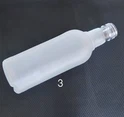
Before we discuss the impact of acid type, it's essential to understand the basic principles of acid etching. Glass is primarily composed of silicon dioxide (SiO₂), which is relatively stable under normal conditions. However, certain acids can react with the glass surface, breaking down the silicon - oxygen bonds and altering the surface structure. This reaction results in the removal of a thin layer of glass, creating a rough surface that scatters light, giving the glass a frosted or matte appearance.
The general chemical reaction between hydrofluoric acid (HF), one of the most commonly used acids for glass etching, and silicon dioxide can be represented as follows:
SiO₂ + 4HF → SiF₄ + 2H₂O
SiF₄ + 2HF → H₂SiF₆
The first step involves the reaction of silicon dioxide with hydrofluoric acid to form silicon tetrafluoride (SiF₄) and water. The silicon tetrafluoride then reacts with additional hydrofluoric acid to form hexafluorosilicic acid (H₂SiF₆).
Different Acid Types and Their Impact
Hydrofluoric Acid (HF)
Hydrofluoric acid is by far the most effective acid for glass etching. It has a unique ability to penetrate the glass surface quickly and react with silicon dioxide, resulting in a deep and uniform etch. The etch produced by hydrofluoric acid is typically very smooth and has a high level of clarity in the frosted area. This makes it ideal for applications where a high - quality, professional finish is required, such as in architectural glass, decorative glassware, and scientific glass instruments.
However, hydrofluoric acid is extremely dangerous. It is highly corrosive and can cause severe burns and tissue damage upon contact with the skin. Inhalation of its vapors can also lead to serious respiratory problems. Due to its hazardous nature, strict safety precautions must be taken when using hydrofluoric acid, including the use of proper personal protective equipment (PPE) and working in a well - ventilated area.
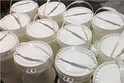
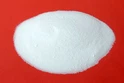
As a supplier, we offer Ordinary Glass Etching Powder that may contain hydrofluoric acid or its salts. These powders are formulated to provide a controlled and safe way to use hydrofluoric acid for glass etching, reducing the risks associated with handling the pure acid.
Sulfuric Acid (H₂SO₄)
Sulfuric acid is a strong acid, but it is not as effective as hydrofluoric acid for glass etching. It can react with glass over time, but the reaction is much slower and less intense. The etch produced by sulfuric acid is often shallow and may not provide a uniform frosted appearance. It is more likely to leave streaks or uneven areas on the glass surface.
Sulfuric acid is sometimes used in combination with other acids or in specific etching processes where a milder etch is desired. For example, it can be used in pre - treatment steps to clean the glass surface before applying a more aggressive acid etchant.
Hydrochloric Acid (HCl)
Hydrochloric acid is another common acid, but it has very limited ability to etch glass. It reacts with some of the impurities in the glass rather than the silicon dioxide itself. The etch produced by hydrochloric acid is extremely shallow and may only result in a slight change in the surface appearance. It is rarely used as the primary acid for glass etching but can be used in combination with other acids or in specific industrial processes where a very mild surface modification is required.
Impact on Etching Results
Surface Finish
The type of acid used has a significant impact on the surface finish of the etched glass. Hydrofluoric acid produces a smooth, uniform, and high - quality frosted finish. The surface is free of streaks and has a consistent level of light diffusion. In contrast, acids like sulfuric and hydrochloric acid may result in a less smooth finish with visible streaks or uneven areas.
Etch Depth
Etch depth is an important factor in glass etching, especially for applications where a certain level of opacity or durability is required. Hydrofluoric acid can achieve a relatively deep etch in a short period, while other acids may only produce a very shallow etch. A deeper etch can provide better durability and resistance to wear and tear, making it suitable for long - term use in high - traffic areas.
Pattern Definition
When creating patterns on glass, the acid type can affect the pattern definition. Hydrofluoric acid allows for precise pattern transfer, as it can etch the exposed areas of the glass evenly and cleanly. Other acids may not be able to etch the pattern as precisely, resulting in a less defined or blurred pattern.
Considerations for Different Applications
Decorative Glass
For decorative glass applications, such as Material For Frosted Glass Decoration, a high - quality surface finish and precise pattern definition are crucial. Hydrofluoric acid is the preferred choice in most cases, as it can create beautiful, intricate designs with a smooth and professional look.
Architectural Glass
In architectural glass, durability and safety are important considerations. A deep etch produced by hydrofluoric acid can provide better resistance to weathering and mechanical damage. Additionally, the uniform frosted appearance can enhance the aesthetic appeal of the building's facade.
Scientific Glass Instruments
Scientific glass instruments require a high level of precision and clarity. Hydrofluoric acid is the only acid that can provide the necessary etch quality for accurate markings and smooth surfaces, ensuring the proper functioning of the instruments.
Safety and Environmental Considerations
As a responsible supplier, we understand the importance of safety and environmental protection. When using acids for glass etching, it is essential to follow all safety regulations and guidelines. This includes proper storage, handling, and disposal of the acids.
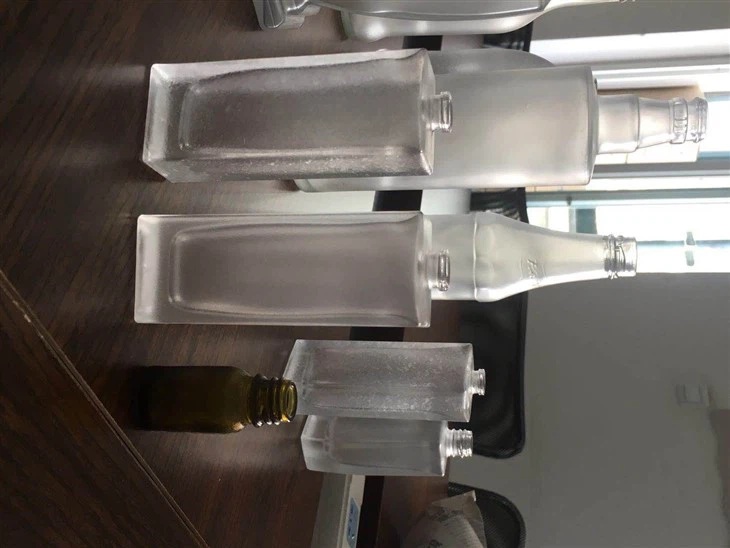

We also offer Etching Glass by Acid Chemical products that are formulated to minimize environmental impact. These products are designed to be as efficient as possible, reducing the amount of acid waste generated during the etching process.
Conclusion
In conclusion, the type of acid used in glass etching has a profound impact on the etching results, including the surface finish, etch depth, and pattern definition. Hydrofluoric acid remains the most effective acid for glass etching, offering superior quality and performance. However, due to its hazardous nature, proper safety measures must be taken when using it.
As a leading supplier of acid etching for glass, we are committed to providing high - quality products and technical support to our customers. Whether you are a small - scale glass artist or a large - scale glass manufacturer, we have the right solutions for your glass etching needs.
If you are interested in learning more about our acid etching products or have specific requirements for your glass etching projects, please feel free to contact us for a detailed discussion. We look forward to working with you to achieve the best glass etching results.
References
- "Glass Science and Technology" by D. R. Uhlmann and N. J. Kreidl.
- "Industrial Glass Engineering: Glass Melting, Forming, and Heat Treatment" by S. R. Scholes.
- "The Chemistry of Glass" by P. W. McMillan.