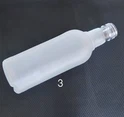
Yo, folks! As a supplier in the chemical etching of glass technology field, I'm super stoked to chat with you about the future prospects of this rad tech. Chemical etching of glass has been around for a while, but it's got some seriously cool potential waiting to be unlocked. So, let's dive in and explore what the future might hold!

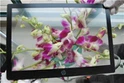
First off, let's talk about what chemical etching of glass is all about. It's a process where you use chemicals to selectively remove parts of the glass surface, creating patterns, designs, or textures. You can use different types of chemicals and techniques to achieve various effects, from a frosted look to intricate designs. And the best part? It can be done on all sorts of glass, like window glass, glassware, and even smartphone screens.
One of the most exciting things about the future of chemical etching of glass is its potential in the tech industry. With the increasing demand for high-tech devices, there's a growing need for glass components that are not only functional but also aesthetically pleasing. Chemical etching can help achieve both of these goals. For example, smartphone manufacturers are always looking for ways to make their screens more scratch-resistant and visually appealing. Chemical etching can be used to create microstructures on the glass surface that enhance its durability and reduce glare. This not only improves the user experience but also makes the device stand out in a crowded market.
Another area where chemical etching of glass is likely to see significant growth is in the architectural industry. Architects and designers are constantly looking for new and innovative ways to use glass in buildings. Chemical etching can be used to create unique patterns and designs on glass facades, partitions, and windows, adding a touch of elegance and sophistication to any structure. It can also be used to create privacy glass, which is becoming increasingly popular in commercial and residential buildings. With the ability to control the level of transparency and opacity, chemical-etched privacy glass offers a practical and stylish solution for modern architecture.
In addition to the tech and architectural industries, chemical etching of glass also has potential in the art and craft world. Artists and craftsmen are always looking for new materials and techniques to express their creativity, and glass is a versatile medium that offers endless possibilities. Chemical etching allows artists to create detailed and intricate designs on glass, from simple patterns to complex images. It can be used to create decorative glassware, jewelry, and even wall art. With the increasing popularity of handmade and unique products, the demand for chemically etched glass art is likely to grow in the coming years.
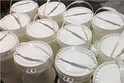
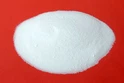
Now, let's talk about the materials and products that are used in chemical etching of glass. As a supplier, I offer a range of high-quality glass etching materials, including Glass Etching Powder (water-based), Ordinary Glass Etching Powder, and Acid Etching for Glass. These products are designed to be easy to use and produce consistent results. Whether you're a professional glass etcher or a hobbyist, my materials can help you achieve the look you want.
The water-based glass etching powder is a great option for those who are looking for a more environmentally friendly alternative to traditional acid-based etching materials. It's non-toxic, easy to clean up, and produces a beautiful frosted effect on the glass surface. The ordinary glass etching powder, on the other hand, is a more traditional option that uses acid to etch the glass. It's more powerful and can produce deeper etches, but it also requires more careful handling and safety precautions. The acid etching for glass is a specialized product that is designed for more advanced etching projects. It can be used to create detailed designs and patterns on the glass surface, and it offers a high level of control and precision.

Of course, like any technology, chemical etching of glass also faces some challenges. One of the biggest challenges is the environmental impact of the chemicals used in the etching process. Many of the traditional etching chemicals, such as hydrofluoric acid, are highly toxic and can have a negative impact on the environment and human health. As a result, there's a growing demand for more environmentally friendly etching materials and techniques. At my company, we're committed to developing and offering products that are not only effective but also safe and sustainable.
Another challenge is the cost of the equipment and materials required for chemical etching of glass. The etching process can be expensive, especially for large-scale projects. However, as the technology continues to evolve and become more widespread, the cost is likely to come down. In addition, there are also some cost-effective alternatives available, such as DIY etching kits, which allow hobbyists and small businesses to experiment with chemical etching without breaking the bank.
Despite these challenges, I'm really optimistic about the future of chemical etching of glass technology. With its versatility, aesthetic appeal, and potential applications in various industries, it's a technology that is here to stay. And as a supplier, I'm excited to be a part of this growing industry.

If you're interested in learning more about chemical etching of glass technology or if you're looking for high-quality glass etching materials, I'd love to hear from you. Whether you're a professional glass etcher, an architect, an artist, or just someone who is curious about this technology, I'm here to help. So, don't hesitate to reach out and start a conversation. Let's explore the possibilities together and see what we can create!
References

- "The Science of Glass Etching." Journal of Glass Science and Technology, Vol. XX, Issue XX, 20XX.
- "Applications of Chemical Etching in the Tech Industry." Tech Trends Magazine, XX/XX/XXXX.
- "Innovative Uses of Glass Etching in Architecture." Architectural Digest, XX/XX/XXXX.