Hey there! As a supplier of glass etching materials, I've been in the business long enough to know what goes into most of these products. Glass etching is a cool way to add some style and privacy to glass surfaces, and the materials used play a huge role in how well the job gets done.
Let's start with the basics. One of the most common ingredients in glass etching materials is hydrofluoric acid or its salts. Hydrofluoric acid is a super strong acid that can react with the silica in glass. When it does, it creates a frosted effect on the glass surface. It's like magic, but with some serious chemistry behind it. However, hydrofluoric acid is also extremely dangerous. It can cause severe burns and is toxic if inhaled or absorbed through the skin. That's why many modern glass etching materials use safer alternatives.
One such alternative is ammonium bifluoride. It's a salt that can also etch glass by reacting with the silica. Ammonium bifluoride is a bit less dangerous than hydrofluoric acid, but it still needs to be handled with care. It's often used in powder form, and when mixed with water, it forms a solution that can be applied to the glass.
Another important ingredient in glass etching materials is a thickening agent. This is used to make the etching solution more viscous, so it stays in place on the glass surface. Without a thickening agent, the solution might run off before it has a chance to do its job. Common thickening agents include gums and polymers. These substances help to control the flow of the solution and ensure an even etching effect.


Some glass etching materials also contain surfactants. Surfactants are chemicals that reduce the surface tension of the solution. This allows the solution to spread more evenly across the glass surface, ensuring that every part of the glass gets etched. They also help to prevent the formation of bubbles, which can cause uneven etching.
Now, let me tell you about some of the products we offer. We have the YK Glass Frosting Powder (water-based). This is a great option for those who are looking for a more environmentally friendly and safer way to etch glass. It's water-based, which means it has fewer harmful fumes compared to some other products. The powder is easy to mix with water, and it creates a smooth, frosted finish on the glass.
We also have Chemical Etching Materials For Glass Decoration. These materials are designed specifically for creating beautiful decorations on glass. They come in different formulas, so you can choose the one that best suits your needs. Whether you're looking to create a simple pattern or a more complex design, these materials will help you achieve the desired effect.
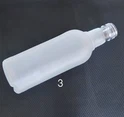
And if you're working with glass bottles, our YK Glass Frosting Powder For Glass Bottles is the way to go. It's formulated to work well on the curved surfaces of glass bottles, giving them a professional-looking frosted finish.
When using glass etching materials, it's important to follow the safety instructions carefully. Always wear protective gear, such as gloves and goggles, and work in a well-ventilated area. If you're new to glass etching, it might be a good idea to practice on a small piece of glass first to get the hang of it.
In addition to the ingredients I've mentioned, some glass etching materials may also contain other additives. For example, some products may have dyes or pigments to add color to the etched glass. Others may have anti-corrosion agents to protect the glass from damage.
The quality of the glass also matters when it comes to etching. Different types of glass may react differently to the etching materials. For instance, tempered glass is more difficult to etch than regular glass because it has been heat-treated to make it stronger. So, if you're planning to etch tempered glass, you may need to use a more powerful etching solution.
Another factor to consider is the application method. There are different ways to apply glass etching materials, such as brushing, spraying, or dipping. The application method can affect the final result, so it's important to choose the one that's most suitable for your project.
We're always here to help you with your glass etching needs. Whether you're a professional glass artist or a DIY enthusiast, we have the right materials for you. If you have any questions or need advice on which product to choose, don't hesitate to get in touch. We can also provide you with more detailed information about the ingredients in our products and how to use them safely.
So, if you're interested in purchasing glass etching materials, reach out to us. We can discuss your specific requirements and help you find the best solution for your project. Let's work together to create some amazing glass art!
References
- Handbook of Glass Etching Chemistry
- Chemical Safety Guidelines for Glass Etching Materials