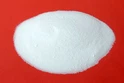
Shipping restrictions for products are a crucial aspect that every supplier and buyer needs to understand thoroughly. As a supplier of Quartz Glass Frosting Powder, I've encountered numerous inquiries regarding the shipping limitations associated with this product. In this blog, I'll delve into the various shipping restrictions for Quartz Glass Frosting Powder and offer insights to help you navigate the shipping process smoothly.
Chemical Composition and Hazardous Classification
Quartz Glass Frosting Powder often contains chemicals like hydrofluoric acid salts, which are known to be hazardous. Hydrofluoric acid and its salts are highly corrosive and can cause severe burns and tissue damage upon contact with skin or eyes. Inhalation of the powder can also lead to respiratory problems. Due to these properties, Quartz Glass Frosting Powder is classified as a hazardous material by international shipping regulations.
The classification determines the specific shipping requirements and restrictions. For instance, it may fall under the category of corrosive substances in the United Nations' Globally Harmonized System of Classification and Labelling of Chemicals (GHS). This classification impacts how the product is packaged, labeled, and transported.
Packaging Requirements
Proper packaging is essential to ensure the safe transportation of Quartz Glass Frosting Powder. The packaging must be able to withstand the rigors of shipping, prevent leakage, and protect the contents from external factors such as moisture and physical damage.
The packaging materials used should be compatible with the chemical nature of the powder. For example, containers made of high - density polyethylene (HDPE) or other corrosion - resistant plastics are commonly used. These containers should have tight - fitting lids or closures to prevent any spillage.
In addition to the primary container, secondary packaging may be required. This can include outer boxes made of sturdy cardboard or wooden crates, which provide an extra layer of protection. The secondary packaging should also be labeled with appropriate hazard warnings and handling instructions.
Labeling and Documentation
Shipping Quartz Glass Frosting Powder requires accurate and detailed labeling. The labels on the packaging must clearly indicate the product name, chemical composition, hazard symbols, and handling instructions. The hazard symbols should comply with international standards, such as those defined by the GHS.
Documentation is another critical aspect of shipping hazardous materials. A Material Safety Data Sheet (MSDS) must accompany the shipment. The MSDS provides detailed information about the product, including its chemical properties, potential hazards, first - aid measures, and handling and storage instructions. It is a legal requirement in many countries, and carriers often require it for proper handling and emergency response.
In addition to the MSDS, other shipping documents such as a bill of lading, customs declaration, and hazardous goods manifest may be required. These documents help ensure that the shipment is properly tracked and that all regulatory requirements are met.
Transportation Modes and Carrier Restrictions
When it comes to transporting Quartz Glass Frosting Powder, different transportation modes have their own set of restrictions.
Air Freight
Air freight is subject to strict regulations due to the potential risks associated with transporting hazardous materials on aircraft. Airlines have specific rules regarding the quantity of hazardous materials that can be carried, the packaging requirements, and the handling procedures.
Some airlines may have restrictions on shipping certain types of hazardous materials altogether. For example, they may not accept shipments of highly corrosive substances like Quartz Glass Frosting Powder if the quantity exceeds a certain limit. It is essential to check with the airline in advance and ensure that all the necessary approvals and documentation are in place.
Sea Freight
Sea freight also has its own regulations. Shipping lines require proper packaging and labeling of hazardous materials. They may also have restrictions on the stowage of the cargo. For example, the powder may need to be stored in a specific area of the ship, away from other incompatible cargoes.
Customs regulations at the ports of departure and arrival also play a significant role. Some countries may have import restrictions on hazardous materials, and it is crucial to comply with these regulations to avoid delays or confiscation of the shipment.
Land Freight
Land transportation, including trucks and trains, also has regulations regarding the shipping of hazardous materials. Drivers need to be trained in handling hazardous cargo, and the vehicles must be equipped with appropriate safety features. There may also be restrictions on the routes that can be taken, especially in areas with high population density or sensitive environmental areas.
International and Local Regulations
Shipping Quartz Glass Frosting Powder across international borders requires compliance with multiple sets of regulations. The United Nations' regulations for the transport of dangerous goods (UN RTDG) provide a framework for the safe transportation of hazardous materials worldwide. However, individual countries may have their own additional regulations.
For example, the European Union has its own set of regulations under the ADR (Accord européen relatif au transport international des marchandises dangereuses par route), which specifically applies to the road transport of dangerous goods within the EU. In the United States, the Department of Transportation (DOT) has regulations governing the transportation of hazardous materials.
Local regulations at the origin and destination points also need to be considered. Some cities or regions may have stricter rules regarding the storage and handling of hazardous materials, which can impact the shipping process.
Impact on Customers
These shipping restrictions can have a significant impact on customers. The additional requirements for packaging, labeling, and documentation can increase the cost of shipping. Customers may also face longer lead times due to the need for regulatory approvals and compliance checks.
However, these restrictions are in place for the safety of everyone involved in the shipping process, including the carriers, the environment, and the end - users. By understanding and complying with these regulations, customers can ensure that they receive their Quartz Glass Frosting Powder safely and legally.
Examples of Applications
Quartz Glass Frosting Powder has a wide range of applications, which can be affected by the shipping restrictions. For example, it is commonly used to create beautiful Oil Sand Effect Glass Wine Bottle. The unique frosting effect adds an aesthetic appeal to the wine bottles, making them more attractive to consumers.


Another application is the Tea Cup Water Bottle Artistic Flower Pattern. The powder can be used to create intricate and artistic patterns on glass tea cups and water bottles, enhancing their visual appeal.
Frequently Asked Questions
If you have more questions about our Quartz Glass Frosting Powder and its shipping restrictions, you can refer to our FAQ About Our Frosting Powder. It contains answers to many common queries regarding the product, its usage, and shipping.
Conclusion
Shipping restrictions for Quartz Glass Frosting Powder are complex but necessary to ensure the safety of all parties involved in the shipping process. As a supplier, I am committed to providing high - quality products while ensuring compliance with all relevant regulations.
If you are interested in purchasing Quartz Glass Frosting Powder, I encourage you to reach out to me for more information. We can discuss your specific requirements, the shipping process, and how we can work together to ensure a smooth and compliant transaction. Whether you are a small - scale craftsman or a large - scale manufacturer, we have the expertise and resources to meet your needs. Contact me today to start the procurement process and explore the possibilities of using our Quartz Glass Frosting Powder in your projects.
References
- United Nations, "Recommendations on the Transport of Dangerous Goods, Model Regulations"
- International Air Transport Association (IATA), "Dangerous Goods Regulations"
- International Maritime Organization (IMO), "International Maritime Dangerous Goods (IMDG) Code"
- European Union, "ADR - Accord européen relatif au transport international des marchandises dangereuses par route"
- United States Department of Transportation (DOT), "Hazardous Materials Regulations"