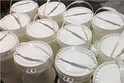
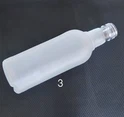
Hey there! As a supplier of etching glass with chemicals, I've got a ton of knowledge about the chemicals commonly used in this process. So, let's dive right in and explore what these chemicals are and how they work.
Hydrofluoric Acid (HF)
Hydrofluoric acid is hands - down one of the most well - known chemicals for glass etching. Glass is mainly made up of silica (SiO₂), and hydrofluoric acid reacts with silica in a pretty interesting way. The chemical reaction is as follows: SiO₂ + 4HF → SiF₄ + 2H₂O. This reaction breaks down the silica structure on the glass surface, resulting in an etched appearance.
Hydrofluoric acid is extremely effective because it can create very fine and detailed etchings. However, it's also super dangerous. It can cause severe burns that are often not immediately painful, but can lead to serious long - term damage. You've got to take all the necessary safety precautions when working with it, like wearing special gloves and working in a well - ventilated area.
Ammonium Bifluoride ((NH₄)HF₂)
Ammonium bifluoride is another popular choice for glass etching. It's a bit safer than hydrofluoric acid, but still needs to be handled with care. When ammonium bifluoride is dissolved in water, it releases fluoride ions which react with the silica in the glass. The reaction is similar to that of hydrofluoric acid, but it's a bit more controlled.


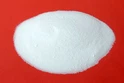
One of the great things about ammonium bifluoride is that it comes in a solid form, which makes it easier to store and handle compared to liquid hydrofluoric acid. It's commonly used in products like Ordinary Glass Etching Powder. You can mix it with water to create an etching solution that can be used for various glass - etching projects.
Sodium Fluoride (NaF)
Sodium fluoride is also used in glass etching, although it's not as aggressive as hydrofluoric acid or ammonium bifluoride. It reacts with the glass surface over time to create a frosted effect. It's often used in combination with other chemicals to enhance the etching process.
Sodium fluoride is relatively inexpensive and is used in some consumer - grade glass - etching products. It's a good option for those who are just starting out with glass etching and want to experiment without dealing with the more dangerous chemicals.
Fluorosilicic Acid (H₂SiF₆)
Fluorosilicic acid is a by - product of the phosphate fertilizer industry. It can be used for glass etching as well. Similar to other fluoride - based chemicals, it reacts with the silica in the glass. It's a bit less common than hydrofluoric acid and ammonium bifluoride, but it still has its uses.
It's often used in industrial settings where large - scale glass etching is required. The advantage of using fluorosilicic acid is that it can be obtained at a relatively low cost, making it a cost - effective option for mass production.
SATINAL MATERIAL FOR FROSTED GLASS PRODUCTION
Now, let's talk about SATINAL MATERIAL FOR FROSTED GLASS PRODUCTION. This is a specialized product that contains a combination of chemicals designed to create a beautiful frosted effect on glass.
The exact composition of this material is a bit of a trade secret, but it likely contains some of the fluoride - based chemicals we've talked about. It's very easy to use. You just apply it to the glass surface, let it sit for a certain period of time, and then rinse it off. The result is a smooth, frosted look that's perfect for decorative glass applications.
Glass Surface Chemical Etching
When it comes to Glass Surface Chemical Etching, there are a few key steps involved. First, you need to prepare the glass surface. This means cleaning it thoroughly to remove any dirt, grease, or fingerprints. A clean surface ensures that the etching chemicals will work effectively.
Next, you apply the etching chemical. You can use a brush, a sprayer, or immerse the glass in a bath of the etching solution, depending on the size and shape of the glass and the type of etching you want to achieve. After the chemical has been applied, you need to let it sit for a specific amount of time. This time can vary depending on the chemical used and the desired depth of the etching.
Once the time is up, you rinse the glass thoroughly with water to stop the etching process. You may also need to polish the glass to give it a smooth finish.
Safety First!
No matter which chemical you choose for glass etching, safety should always be your top priority. As I mentioned earlier, many of these chemicals are hazardous. You should always wear protective gear, including gloves, goggles, and a respirator if necessary. Make sure you work in a well - ventilated area to avoid inhaling any fumes.
It's also important to follow the instructions on the chemical products carefully. Don't mix chemicals unless you know exactly what you're doing, as this can lead to dangerous reactions.
Why Choose Us?
As a supplier of etching glass with chemicals, we offer a wide range of high - quality products. Our products are carefully formulated to ensure the best results in glass etching. Whether you're a professional glass artist or a hobbyist, we've got the right chemicals for you.
We also provide excellent customer service. If you have any questions about our products or the glass - etching process, our team of experts is always ready to help. We can offer advice on which chemical to use for your specific project and how to use it safely.
Get in Touch
If you're interested in purchasing our glass - etching chemicals, we'd love to hear from you. Whether you're looking for a small quantity for a DIY project or a large order for an industrial application, we can meet your needs. Just reach out to us, and we'll start the procurement discussion. We're committed to providing you with the best products and the best service in the industry.
References
- Smith, J. (2018). Chemistry of Glass Etching. Glass Technology Journal.
- Johnson, A. (2019). Safe Handling of Fluoride - Based Chemicals in Glass Etching. Industrial Safety Magazine.
- Brown, C. (2020). New Developments in Glass Etching Chemicals. Glass Industry Review.