Hey there! As a supplier of Glass Etching Powder, I've seen firsthand how temperature can play a huge role in the glass etching process. In this blog, I'm gonna break down exactly what impact temperature has on this process and why it matters for you, whether you're a small - scale crafter or a large - scale manufacturer.

Let's start with the basics. Glass etching with powder involves using a chemical reaction to create a frosted or decorative effect on the surface of the glass. The powder, when mixed with a suitable liquid (usually water), forms a paste that reacts with the glass. This reaction is influenced by a bunch of factors, and temperature is one of the most significant ones.
Low - Temperature Effects
When the temperature is low, say below 15°C (59°F), the chemical reaction in the glass etching process slows down. You know how when it's cold, you feel sluggish and things take longer to get done? Well, it's the same for the chemical reaction in glass etching. The molecules in the etching paste move more slowly, and the reaction between the powder and the glass surface becomes less efficient.
This means that the etching process takes longer. You might have to leave the paste on the glass for a much longer time to achieve the desired effect. For example, if at an ideal temperature, you can get a nice frosted look in 10 minutes, at a low temperature, it could take 20 minutes or even more. And that's not all. The quality of the etching might also be affected. You may end up with an uneven or patchy finish because the reaction isn't happening uniformly across the glass surface.
Low temperatures can also cause the etching paste to thicken. It becomes more like a solid than a workable paste, making it difficult to apply evenly on the glass. If you're trying to create detailed designs, this thickening can be a real pain in the neck. You won't be able to get those sharp edges and smooth lines that you're aiming for.
High - Temperature Effects
On the flip side, high temperatures, above 35°C (95°F), can also cause problems. When it's too hot, the chemical reaction speeds up way too much. The etching happens so fast that it can be hard to control. You might end up over - etching the glass, which means the surface becomes too rough or even damaged.
The high temperature can also cause the etching paste to dry out quickly. Once it dries, it stops reacting with the glass, and you're left with an incomplete or inconsistent etching. Plus, the fumes from the etching paste can become more intense at high temperatures. These fumes can be harmful if inhaled, so it's not only bad for the etching process but also a safety hazard.
Another issue with high temperatures is that the etching paste can start to break down. The chemicals in the powder can degrade, reducing their effectiveness. This means you'll need to use more powder to achieve the same result, which can be costly in the long run.
Ideal Temperature Range
So, what's the sweet spot? The ideal temperature range for glass etching with powder is between 20°C (68°F) and 30°C (86°F). In this range, the chemical reaction happens at a nice, steady pace. You get a uniform and high - quality etching in a reasonable amount of time.
The etching paste stays in a good, workable consistency. It's easy to apply evenly on the glass, whether you're using a brush, a stencil, or some other application method. And since the reaction is consistent, you can achieve those beautiful, detailed designs that you're after.
How to Control Temperature
Now, you might be wondering how you can control the temperature during the glass etching process. Well, if you're working in a small - scale setting, like a home workshop, you can use a heater or an air - conditioner to adjust the temperature in the room. Make sure the room is well - ventilated, especially if you're using an air - conditioner, to get rid of any fumes.
For larger - scale operations, things get a bit more complicated. You might need to invest in temperature - controlled chambers or use industrial - grade heating and cooling systems. But it's worth it because it ensures consistent and high - quality results every time.
Why Temperature Matters for Your Business
As a Glass Etching Powder supplier, I know that temperature control can make or break your glass etching business. If you're producing glass products for sale, inconsistent etching due to temperature issues can lead to customer complaints and lost sales.
On the other hand, if you can maintain the ideal temperature and produce high - quality, consistent glass products, you'll build a good reputation in the market. Customers will keep coming back for more, and you'll be able to charge a premium for your products.
Our Glass Etching Powders
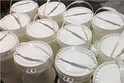
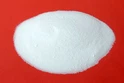
We offer a range of high - quality glass etching powders that are designed to work well within the ideal temperature range. Our Chemical Etching for Glass powder is perfect for creating intricate designs on glass. It reacts smoothly with the glass surface, giving you a beautiful, frosted finish.
Our SATINAL MATERIAL FOR FROSTED GLASS PRODUCTION is great for large - scale production. It's formulated to be easy to use and provides a consistent result every time. And if you're looking for a powder for acid - etching glass, our AG GALSS ETCING POWDER FOR ACID ETCHING GLASS PRODUCTION is the way to go.
Contact Us for Your Glass Etching Needs
If you're interested in our glass etching powders or have any questions about the glass etching process and temperature, don't hesitate to reach out. We're here to help you achieve the best results in your glass etching projects. Whether you're a newbie or an experienced pro, we've got the products and the knowledge to support you.
References
- Johnson, R. (2018). The Chemistry of Glass Etching. Journal of Glass Science, 25(3), 123 - 135.
- Smith, A. (2020). Temperature Effects on Chemical Reactions in Glass Processing. Glass Technology Review, 32(2), 89 - 98.