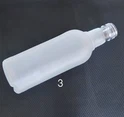
When it comes to glass processing, two popular methods for creating decorative and functional glass are chemical glass etching and sandblasting. As a supplier of Etching Glass With Chemicals, I've had extensive experience with both techniques and understand their nuances. In this blog, I'll delve into the differences between chemical glass etching and sandblasting, exploring their processes, effects, advantages, and limitations.
Process
Chemical Glass Etching
Chemical glass etching is a process that involves using chemical substances to dissolve the surface of the glass, creating a permanent design or pattern. The most common chemicals used for this purpose are hydrofluoric acid or acid-based etching powders.
First, a resist material is applied to the areas of the glass that you don't want to etch. This resist can be a stencil, masking tape, or a specially formulated resist film. Once the resist is in place, the etching chemical is applied to the exposed glass surface. The chemical reacts with the silica in the glass, breaking down its structure and creating a frosted or matte finish. After a certain period, the chemical is washed off, and the resist is removed, revealing the etched design.
For more information on the chemicals used in this process, you can visit Chemical Used for Glass Etching. There are also Environmentally Friendly Etching Powder options available that offer a more sustainable alternative to traditional acid-based chemicals.
Sandblasting
Sandblasting, on the other hand, is a mechanical process that uses compressed air to propel abrasive particles, such as sand or glass beads, at high speed onto the glass surface. The force of the abrasive particles hitting the glass removes the outer layer, creating a rough, frosted appearance.
To sandblast glass, a stencil or mask is first applied to the glass to protect the areas that won't be blasted. The glass is then placed in a sandblasting cabinet, and the operator uses a nozzle to direct the abrasive particles onto the exposed areas. The pressure and duration of the sandblasting determine the depth and intensity of the etching.
Effects
Chemical Glass Etching
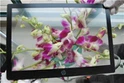
Chemical etching typically produces a smooth, uniform, and frosted finish. The etched areas have a soft, diffused appearance that can be very elegant. This method allows for highly detailed designs, including fine lines, intricate patterns, and even photographic images. The edges of the etched design are usually sharp and well-defined, giving a clean and professional look.
One of the unique features of chemical etching is that it can create a variety of effects, from a light, barely visible etch to a deep, opaque frosted finish. This versatility makes it suitable for a wide range of applications, from decorative glassware to architectural glass. You can learn more about the different effects achievable with acid-based chemicals at Etching Glass by Acid Chemical.
Sandblasting
Sandblasting creates a more textured and rough finish compared to chemical etching. The surface of the etched glass has a grainy appearance, which can add a rustic or industrial look to the design. While sandblasting can also produce detailed designs, the level of detail is generally not as high as that achievable with chemical etching. The edges of the sandblasted design may be slightly less sharp, giving a more organic and softened look.
The depth of the etch in sandblasting can vary depending on the pressure and duration of the process. A light sandblast may create a subtle, frosted effect, while a more intense blast can result in a deeper, more pronounced etch.
Advantages
Chemical Glass Etching
- High Precision: Chemical etching allows for extremely precise and detailed designs. It can reproduce fine details that may be difficult or impossible to achieve with sandblasting.
- Versatility: As mentioned earlier, chemical etching can create a wide range of effects, from light to heavy etches. It can also be used on various types of glass, including flat glass, curved glass, and even glassware.
- Safety and Environmental Considerations: With the availability of environmentally friendly etching powders, chemical etching can be a safer and more sustainable option. These powders are less hazardous than traditional hydrofluoric acid and produce fewer harmful by-products.
- Cost-Effective for Small Runs: For small-scale production or custom designs, chemical etching can be more cost-effective than sandblasting. It requires less equipment and setup time, making it a viable option for small businesses or individual artists.
Sandblasting
- Durability: Sandblasted etches are generally more durable than chemical etches. The mechanical abrasion creates a more permanent mark on the glass, which is less likely to wear off over time.
- Speed: Sandblasting is a relatively fast process, especially for large areas or simple designs. It can cover a large surface area quickly, making it suitable for high-volume production.
- No Chemical Hazards: Unlike chemical etching, sandblasting does not involve the use of hazardous chemicals. This makes it a safer option for operators, especially in environments where chemical handling is restricted.
Limitations
Chemical Glass Etching
- Chemical Hazards: Traditional chemical etching using hydrofluoric acid is highly toxic and corrosive. It requires strict safety precautions and proper ventilation to prevent exposure to the chemical fumes.
- Limited Depth: Chemical etching is generally limited in terms of the depth of the etch. While it can create a range of effects, achieving a very deep etch may be challenging.
- Longer Process Time: The chemical etching process can be time-consuming, especially for complex designs. It requires multiple steps, including applying the resist, waiting for the chemical reaction, and removing the resist.
Sandblasting
- Limited Detail: As mentioned earlier, sandblasting is not as precise as chemical etching when it comes to creating fine details. The abrasive particles can cause some blurring or spreading of the design, making it less suitable for highly detailed work.
- Surface Damage: The high-speed impact of the abrasive particles can cause micro-cracks or damage to the glass surface, especially if the pressure is too high. This can affect the strength and integrity of the glass.
- Equipment and Setup: Sandblasting requires specialized equipment, such as a sandblasting cabinet and compressor. The initial investment in equipment and setup can be significant, making it less accessible for small-scale operations.
Applications
Chemical Glass Etching
- Decorative Glassware: Chemical etching is widely used to create decorative patterns on glassware, such as wine glasses, vases, and bowls. The high precision and smooth finish make it ideal for adding elegant designs to these items.
- Architectural Glass: In the architectural industry, chemical etching is used to create privacy glass, decorative partitions, and signage. The ability to create detailed designs and a variety of effects makes it a popular choice for modern building designs.
- Art and Crafts: Artists and crafters often use chemical etching to create unique and personalized glass art pieces. It allows them to express their creativity and produce one-of-a-kind designs.
Sandblasting
- Industrial Applications: Sandblasting is commonly used in industrial settings for glass surface preparation, such as removing paint or rust from glass components. It is also used to create a rough surface for better adhesion of coatings or labels.
- Large-Scale Signage: The speed and durability of sandblasting make it suitable for creating large-scale signage on glass. It can produce bold and clear designs that are visible from a distance.
- Outdoor Glass Installations: Sandblasted glass is often used in outdoor applications, such as glass facades and balustrades. The durable etch can withstand the elements and maintain its appearance over time.
Conclusion
In conclusion, both chemical glass etching and sandblasting have their own unique characteristics, advantages, and limitations. The choice between the two methods depends on various factors, such as the desired effect, the level of detail required, the size of the project, and the budget.
As a supplier of Etching Glass With Chemicals, I offer a range of high-quality products and solutions for chemical glass etching. Whether you're a professional glass processor, an artist, or a DIY enthusiast, I can provide you with the right chemicals and support to achieve your desired results.
If you're interested in learning more about our products or have any questions about chemical glass etching, I encourage you to contact me for a purchase consultation. I'm always happy to discuss your specific needs and help you find the best solution for your project.


References
- Glass Processing Handbook, Third Edition, by John C. Mauro, Maria C. Boccaccini, and Paul D. Calvert.
- The Art of Glass Etching: Techniques and Projects for Creating Beautiful Glassware, by Karen Donnachie.