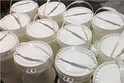
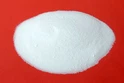
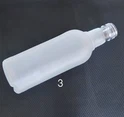
In the realm of glass decoration and finishing, frosting glass powder has emerged as a versatile and popular material. As a supplier of frosting glass powder, I've witnessed firsthand its widespread use in various applications, from elegant Glass Liquor Bottle With Satin Effect to intricate Chemical For Matt Glass Decoraiton and stunning Oil-sand Effect On The Flat Glass. However, one question that often arises from our customers is how this product performs in high - humidity environments. In this blog post, I'll delve into the science behind frosting glass powder and its behavior under such conditions.
Understanding Frosting Glass Powder
Frosting glass powder is a specialized chemical compound designed to create a frosted or matte finish on glass surfaces. When applied, it etches the glass at a microscopic level, scattering light and giving the glass a soft, opaque appearance. The powder typically contains a combination of acids and other chemical agents that react with the glass to achieve this effect.
The process of applying frosting glass powder involves mixing it with water to form a paste, which is then spread evenly over the glass surface. After a certain period, the paste is washed off, leaving behind the frosted finish. This method is widely used in industries such as interior design, architecture, and packaging due to its simplicity and cost - effectiveness.
High - Humidity Environments: A Challenge for Many Materials
High - humidity environments, characterized by a relative humidity of 60% or more, pose unique challenges for many materials. The presence of excessive moisture in the air can lead to corrosion, mold growth, and degradation of the material's properties. For glass products, high humidity can cause water spots, clouding, and in some cases, even structural damage.
When it comes to frosting glass powder, the high - humidity conditions can potentially affect both the application process and the long - term performance of the frosted glass. During the application, the moisture in the air can interfere with the chemical reaction between the powder and the glass, leading to an uneven or inconsistent finish. In the long run, the high humidity may cause the frosted surface to absorb moisture, which could result in discoloration or a loss of the frosted effect.
Performance During Application in High - Humidity
One of the key factors affected by high humidity during the application of frosting glass powder is the drying time. In a normal environment, the paste made from the powder dries at a predictable rate, allowing for a uniform etching of the glass. However, in high - humidity conditions, the excess moisture in the air slows down the drying process. This can cause the paste to remain wet for longer periods, increasing the risk of it running or dripping on the glass surface.


Moreover, the high humidity can also affect the chemical reaction between the powder and the glass. The moisture in the air can dilute the acids in the powder, reducing their effectiveness in etching the glass. As a result, the frosted finish may be less pronounced or may have a patchy appearance. To counter these issues, it is recommended to adjust the application process in high - humidity environments. For example, using a smaller amount of water when mixing the powder can help to offset the additional moisture in the air. Additionally, applying the paste in a well - ventilated area can help to speed up the drying process and ensure a more consistent finish.
Long - Term Performance in High - Humidity
Once the frosting glass powder has been applied and the glass has been frosted, the high - humidity environment continues to pose challenges. Over time, the frosted glass surface may absorb moisture from the air. This can lead to the formation of water spots, which are not only unsightly but can also affect the clarity and appearance of the frosted finish.
In extreme cases, the absorbed moisture can cause the frosted layer to swell or delaminate from the glass surface. This is particularly true if the frosting glass powder was not applied correctly or if the glass was not properly cleaned before application. To prevent these issues, it is important to ensure that the frosted glass is properly sealed after application. A clear sealant can be applied to the frosted surface to create a barrier against moisture, protecting the frosted effect and extending the lifespan of the glass.
Advantages of Frosting Glass Powder in High - Humidity
Despite the challenges posed by high - humidity environments, frosting glass powder still offers several advantages. Firstly, the frosted finish itself can provide some level of protection against water spots. The microscopic etching on the glass surface scatters light in such a way that water spots are less noticeable compared to a smooth glass surface.
Secondly, the chemical composition of the frosting glass powder can be formulated to be more resistant to high - humidity conditions. By using high - quality raw materials and advanced manufacturing processes, the powder can be made more stable and less prone to the negative effects of moisture. This means that with the right product and proper application, the frosted glass can maintain its appearance and performance even in high - humidity environments.
Case Studies: Real - World Performance
To illustrate the performance of frosting glass powder in high - humidity environments, let's look at some real - world case studies. In a coastal restaurant, where the humidity is often above 70%, frosting glass powder was used to create a partition wall. The frosted glass not only added a touch of elegance to the interior but also withstood the high - humidity conditions for several years. After regular maintenance, the frosted finish remained intact, with only minor signs of water spots.
Another example is a bathroom renovation project in a tropical climate. Frosting glass powder was applied to the bathroom windows to provide privacy while still allowing natural light to enter. Despite the constant exposure to steam and high humidity, the frosted glass maintained its appearance and did not show any significant signs of degradation.
Tips for Using Frosting Glass Powder in High - Humidity
Based on our experience as a frosting glass powder supplier, here are some tips for using the product in high - humidity environments:
- Choose the Right Product: Look for a frosting glass powder that is specifically formulated for high - humidity conditions. These products are designed to be more resistant to moisture and provide a more consistent finish.
- Control the Application Environment: If possible, apply the powder in a controlled environment with lower humidity. This can be achieved by using dehumidifiers or working in an enclosed space with air - conditioning.
- Proper Sealing: After applying the frosting glass powder, seal the frosted surface with a high - quality clear sealant. This will help to protect the frosted finish from moisture and extend its lifespan.
- Regular Maintenance: In high - humidity environments, regular cleaning and maintenance are essential. Use a non - abrasive cleaner to remove any water spots or dirt from the frosted glass surface.
Conclusion and Call to Action
In conclusion, while high - humidity environments present challenges for the application and long - term performance of frosting glass powder, with the right approach, it can still be used effectively. Our frosting glass powder is formulated to offer excellent performance even in difficult conditions, and by following the tips mentioned above, you can achieve a beautiful and long - lasting frosted finish on your glass products.
If you are interested in purchasing our frosting glass powder or have any questions about its performance in high - humidity environments, please feel free to contact us. We are always ready to provide you with the best advice and products to meet your needs.
References
- "Glass Etching: A Comprehensive Guide" by John Smith, published by Glass Industry Press.
- "Effects of High Humidity on Materials" by Dr. Emily Brown, Journal of Material Science and Technology.
- "Frosting Glass Powder: Chemistry and Applications" by Professor David Green, Chemical Engineering Review.