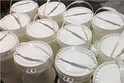
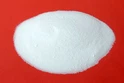
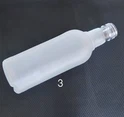
In the field of glass processing, etching powder is a crucial material that can transform ordinary glass into unique decorative or functional glass products. As a supplier of glass etching powder, I often encounter inquiries from customers about the differences in etching speed among various brands of etching powder. This blog post aims to delve into this topic, providing insights based on scientific understanding and practical experience.
Understanding Glass Etching
Before discussing the differences in etching speed, it's essential to understand the process of glass etching. Glass is primarily composed of silica (SiO₂), and the etching process involves a chemical reaction between the etching powder and the glass surface. Most glass etching powders contain acidic components, such as hydrofluoric acid (HF) or its derivatives, which react with the silica in the glass to form soluble compounds. This reaction gradually removes the surface layer of the glass, creating a frosted or etched appearance.
The etching speed is influenced by several factors, including the chemical composition of the etching powder, the concentration of the etching solution, the temperature, and the type of glass being etched. Different brands of etching powder may have varying formulations, which can significantly affect their etching speed.
Chemical Composition and Etching Speed
One of the primary factors contributing to the difference in etching speed among different brands of etching powder is the chemical composition. Some brands may use a higher concentration of active ingredients, such as hydrofluoric acid or other strong acids, which can lead to a faster etching rate. For example, a powder with a higher percentage of hydrofluoric acid will react more vigorously with the glass surface, removing the silica layer at a quicker pace.
However, using a high - concentration acid also has its drawbacks. It can be more dangerous to handle, requiring strict safety precautions. Moreover, it may cause uneven etching or damage to the glass if not used correctly. Other brands may opt for a more balanced formulation, using a combination of acids and additives to achieve a controlled etching speed while ensuring a uniform and high - quality finish.
Concentration of the Etching Solution
The concentration of the etching solution prepared from the powder also plays a vital role in determining the etching speed. When preparing the solution, following the manufacturer's instructions is crucial. Some brands may recommend a higher concentration for faster etching, while others may suggest a lower concentration for a more precise and controlled process.

A higher concentration of the etching solution generally leads to a faster etching speed. But similar to using high - concentration acids in the powder, it also increases the risk of over - etching and damage to the glass. On the other hand, a lower concentration may result in a slower etching process but can provide better control over the final appearance of the etched glass.
Temperature and Etching Speed
Temperature is another important factor that affects the etching speed. Chemical reactions generally occur more rapidly at higher temperatures. When using different brands of etching powder, the optimal temperature range for the etching process may vary.
Some brands of etching powder are formulated to work well at room temperature, while others may require a slightly elevated temperature to achieve the desired etching speed. For example, a powder that contains certain additives may need a temperature of around 30 - 35°C to activate the chemical reaction effectively. If the temperature is too low, the etching process may be significantly slowed down, while a temperature that is too high can cause the reaction to become too vigorous, leading to uneven etching.
Type of Glass
The type of glass being etched also influences the etching speed. Different types of glass have different chemical compositions and physical properties, which can affect how they react with the etching powder. For instance, soda - lime glass, which is commonly used in windows and bottles, may etch at a different speed compared to borosilicate glass, which is more resistant to chemical attacks.
Some brands of etching powder may be specifically formulated to work better with certain types of glass. For example, a powder designed for soda - lime glass may have a formulation that can quickly penetrate the relatively soft surface of this type of glass, resulting in a faster etching speed. In contrast, a powder for borosilicate glass may need to have a stronger chemical composition to overcome the glass's higher resistance.
Practical Considerations for Customers
As a supplier of Glass Etching Powder (water - based), I understand that customers have different needs when it comes to glass etching. Some may require a fast - etching powder for large - scale production, while others may prioritize a more precise and controlled etching process for high - end decorative glass.
When choosing an etching powder, customers should consider their specific requirements, such as the type of glass they are working with, the desired etching speed, and the quality of the final product. It's also important to follow the safety guidelines provided by the manufacturer, as glass etching powders can be hazardous if not handled properly.
Our Product Range
At our company, we offer a wide range of glass etching powders suitable for different applications. Our Material Used for Glass Etching is carefully formulated to provide a balance between etching speed and quality. We have powders that are ideal for fast - paced production environments, as well as those designed for detailed and delicate etching work.
Our Material For Frosted Glass Decoration is particularly popular among customers who are looking to create unique and beautiful frosted glass products. These powders are formulated to produce a smooth and uniform frosted finish, with an etching speed that can be adjusted according to the specific requirements of the project.
Contact Us for Procurement
If you are in the market for high - quality glass etching powder, we invite you to contact us for procurement discussions. Our team of experts is ready to assist you in choosing the right product for your needs, whether you are a small - scale artist or a large - scale manufacturer. We can provide detailed information about our products, including their etching speed, chemical composition, and safety precautions.
References
- "Glass Science and Technology" by David R. Uhlmann and Neil J. Kreidl.
- "Chemical Etching of Glass: Principles and Applications" by various authors in the Journal of Glass Technology.
- Manufacturer's product manuals and technical data sheets for different brands of glass etching powder.