Acid etching for glass is a well - established technique in the glass processing industry. As a supplier of acid etching products for glass, I have witnessed firsthand the various effects and applications of this process. One of the common inquiries we often receive from customers is about the impact of acid etching on glass color. In this blog post, I'll delve into the mechanisms behind acid - etching and how it could potentially influence the color of the glass.
Understanding Acid Etching for Glass
Acid etching involves using acidic substances to treat the surface of the glass. The process is based on a chemical reaction between the acid and the glass's main constituents, typically silica (SiO₂). When the acidic solution or powder comes into contact with the glass surface, it reacts with the silica network, causing the glass surface to be microscopically uneven. This uneven surface scatters light, leading to a frosted or hazy appearance, which is one of the most well - known outcomes of acid etching.


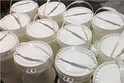
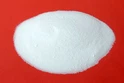
At our company, we offer a variety of products designed to achieve different levels of acid etching. For instance, our AG GALSS ETCING POWDER FOR ACID ETCHING GLASS PRODUCTION is a popular choice for mass - producing acid - etched glass. It provides a consistent and efficient way to apply the etching process in industrial settings. The Chemical Glass Etching Solution is another option, which is typically used for more precise and detailed etching work, such as creating custom designs on glassware.
Direct Influence on Glass Color
In most cases, the primary purpose of acid etching is to change the surface texture of the glass rather than its color. The etching process essentially removes a very thin layer of the glass surface, which is usually so minuscule that it doesn't significantly alter the inherent color of the glass. For example, if you're etching a clear glass, it will remain a clear glass, but the surface will become frosted. The frosted surface will make the glass look more opaque and may give the perception of a slightly different hue due to the way light is scattered, but it's not an actual change in the glass's color properties.
However, there are some scenarios where acid etching can have a direct impact on the color. If the glass contains certain metal oxides or other color - producing compounds, the acid used in the etching process might react with these substances. Some acids can dissolve or modify these metal oxides, which could cause a change in color. For example, glasses with a high iron oxide content might react with some acids to form different iron compounds, which can result in a change from a light greenish tint often associated with iron in glass to a brownish or even yellowish - brown color, depending on the oxidation state of the iron.
Indirect Influence on Color Perception
The most noticeable effect of acid etching on glass color is actually an indirect one related to the alteration of light transmission and reflection. When light hits a smooth, non - etched glass surface, most of it passes through the glass (transmission) and a small amount is reflected. However, after acid etching, the rough surface scatters the light in multiple directions.
This scattering of light can make the glass appear brighter or dimmer, depending on the density of the etching. A lightly etched glass may still allow a significant amount of light to pass through, but the light is diffused, giving the glass a softer, more luminous appearance. On the other hand, a heavily etched glass may block more light, making it seem darker. This change in the amount and quality of light passing through the glass can create an illusion of a color shift. For example, a colored glass that appears vibrant under normal lighting conditions may seem more muted after acid etching because the scattered light doesn't allow the full spectrum of the color to be visible.
Applications Relating to Color and Acid Etching
In the decoration and architecture fields, understanding the color - related effects of acid etching is crucial. For interior design projects, etched glass can be used to create partitions or decorative panels. The frosted effect can add a sense of privacy while still allowing some light to pass through. Designers can take advantage of the light - scattering properties of acid - etched glass to enhance the overall aesthetic of a space. For example, if a room has a wall of colored glass that is then acid - etched, the etched surface can soften the color and create a more harmonious atmosphere.
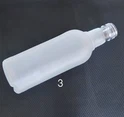
In the glassware industry, our YK Glass Frosting Powder For Glass Bottles is commonly used to etch glass bottles. Many cosmetic and perfume brands use acid - etched glass bottles to enhance the appearance of their products. The etched surface can make the color of the liquid inside the bottle look more appealing by diffusing the light and creating a soft glow.
Quality Control and Color Consistency
As a supplier, we understand the importance of color consistency in acid - etched glass products. We conduct thorough quality control tests to ensure that our acid - etching products do not cause unwanted color changes. Our R & D team continuously studies the chemical reactions between the acids and different types of glass to predict and prevent any potential color variations.
When working with customers, we always provide detailed information about the expected effects of our etching products on glass color. We also offer sample kits so that customers can test the products on their specific types of glass before large - scale production. This helps to minimize the risk of color - related issues and ensures that the final products meet the customer's expectations.
Conclusion and Call to Action
In conclusion, acid etching for glass can have both direct and indirect effects on glass color. While in most cases, the process is mainly used for surface modification, it's important to be aware of the potential color - changing reactions, especially when dealing with glasses containing metal oxides. The indirect influence on color perception due to light scattering is a significant aspect that designers and manufacturers can utilize to create unique and appealing products.
If you're involved in the glass industry and are interested in exploring acid - etching solutions for your glass products, we're here to help. Our range of acid - etching products, including the AG GALSS ETCING POWDER FOR ACID ETCHING GLASS PRODUCTION, Chemical Glass Etching Solution, and YK Glass Frosting Powder For Glass Bottles, are designed to meet various needs. Contact us to discuss your specific requirements and start a potential business collaboration.
References
- Shelby, J. E. (1997). Introduction to Glass Science and Technology. Royal Society of Chemistry.
- Varshneya, A. K. (1994). Fundamentals of Inorganic Glasses. Academic Press.