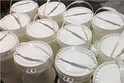
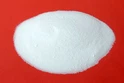
Hey there! As a supplier of Glass Etching Powder, I've seen firsthand how the powder particle size can have a huge impact on glass etching. In this blog post, I'm gonna break down what that influence is and why it matters to you.
Let's start with the basics. Glass etching powder is used to create a frosted or decorative effect on glass surfaces. When the powder comes into contact with the glass, it chemically reacts with it, creating tiny pits and scratches that scatter light and give the glass that characteristic frosted look. But the size of the powder particles can really change how this process works.
How Particle Size Affects the Etching Process
1. Etching Speed
One of the most obvious ways particle size affects glass etching is the speed of the process. Generally speaking, smaller particles have a larger surface area relative to their volume. This means that there's more of the powder available to react with the glass at any given time. So, if you're using a powder with smaller particles, the etching process is likely to be faster.
For example, let's say you're working on a large glass panel and you need to etch it quickly. Using a fine - grained glass etching powder can help you get the job done in less time. On the other hand, if you're doing a detailed, intricate design where you need more control over the etching process, a coarser powder might be better. The slower etching speed allows you to take your time and make sure every detail is perfect.
2. Etching Depth
Particle size also plays a role in how deep the etching goes into the glass. Smaller particles tend to create a more uniform and shallower etch. This is because they spread out more evenly across the glass surface and react with it in a more controlled way.
If you're looking for a light, subtle frosted effect, like for a decorative window or a glass partition, a powder with small particles is a great choice. It'll give you a smooth, even finish that looks really elegant.
Conversely, larger particles can create a deeper etch. They hit the glass surface with more force and can penetrate deeper into the glass. This is useful if you want a more pronounced, textured look. For instance, if you're creating a glass sculpture or a piece of art where you want to add some depth and dimension, a coarser powder can help you achieve that.
3. Surface Finish
The size of the powder particles can have a big impact on the final surface finish of the etched glass. Smaller particles usually result in a smoother, more polished finish. The etch is more uniform, and there are fewer visible scratches or rough spots. This is ideal for applications where you want a high - end, professional look, like in commercial glass installations or high - end glassware.
On the other hand, larger particles create a more textured, rustic finish. The etch has a more random pattern, and you can see the individual scratches and pits more clearly. This kind of finish can add a lot of character to your glass projects, especially if you're going for a more natural or artistic look.
Choosing the Right Particle Size for Your Project
When you're deciding which particle size of glass etching powder to use, it really depends on what you're trying to achieve. Here are some tips to help you make the right choice:
For Decorative Glass
If you're working on decorative glass items, like vases, bowls, or picture frames, think about the style you want. For a modern, sleek look, go for a fine - grained powder. It'll give you a smooth, clean finish that looks great in contemporary settings.
If you're aiming for a more traditional or rustic look, a coarser powder can add that extra charm. You can find a wide range of Material For Frosted Glass Decoration on our website, with different particle sizes to suit your needs.
For Commercial Applications
In commercial applications, such as glass partitions in offices or storefront windows, you usually want a consistent, high - quality finish. A powder with small particles is often the best choice here. It ensures that the etched glass looks professional and uniform across large areas.
We also offer Environmentally Friendly Etching Powder, which is a great option for commercial projects where sustainability is a concern.
For Glass Bottles
If you're etching glass bottles, like wine bottles or perfume bottles, the particle size can affect how the label or design looks. For detailed labels or logos, a fine - grained powder is better because it allows for more precise etching.
Our YK Glass Frosting Powder For Glass Bottles comes in different particle sizes, so you can choose the one that works best for your bottle - etching project.


Conclusion
In conclusion, the particle size of glass etching powder has a significant influence on the etching process, the final appearance of the glass, and the overall success of your project. Whether you need a fast - etching powder for a large - scale job, a powder that creates a deep etch for a textured look, or a fine - grained powder for a smooth finish, there's a particle size out there that's perfect for you.
As a Glass Etching Powder supplier, we're here to help you find the right product for your specific needs. If you have any questions about particle size, etching techniques, or which powder is best for your project, don't hesitate to reach out. We're always happy to have a chat and help you make the best choice.
If you're interested in purchasing our glass etching powder, we'd love to start a conversation with you. Just drop us a line, and we can discuss your requirements in detail. Let's work together to create some amazing glass etchings!
References
- Smith, J. (2018). "The Science of Glass Etching". Glass Arts Journal.
- Johnson, A. (2020). "Particle Size Effects in Chemical Etching Processes". Materials Science Review.