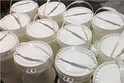
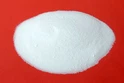
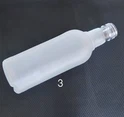
Ambient air quality is a critical environmental factor that can significantly impact various industrial processes and product applications. As a supplier of Cosmetic Glass Frosting Powder, I have witnessed firsthand how the quality of the surrounding air can influence the use and performance of this product. In this blog post, I will delve into the details of how ambient air quality affects the use of cosmetic glass frosting powder and why it is essential for manufacturers to pay attention to this factor.
Understanding Cosmetic Glass Frosting Powder
Cosmetic glass frosting powder is a specialized product used to create a frosted effect on glass surfaces, which is commonly applied in cosmetic packaging, glassware, and other decorative glass products. The powder typically contains chemicals such as hydrofluoric acid salts, which react with the glass surface to etch it and create a translucent, frosted appearance. This process not only enhances the aesthetic appeal of the glass but also improves its scratch resistance and durability.
The Impact of Ambient Air Quality on the Frosting Process
The frosting process of cosmetic glass is sensitive to the ambient air quality due to several reasons. Firstly, air pollutants can react with the chemicals in the frosting powder or the glass surface, potentially altering the chemical reactions that occur during the frosting process. For example, sulfur dioxide (SO₂) and nitrogen oxides (NOₓ), which are common air pollutants emitted from industrial activities and vehicle exhausts, can form acidic compounds in the air. These acidic compounds may react with the frosting powder or the glass surface, leading to inconsistent frosting effects or even damage to the glass.
Secondly, particulate matter (PM) in the air can also affect the frosting process. Fine particles suspended in the air can settle on the glass surface before or during the frosting process, causing visible defects such as spots or uneven frosting. Additionally, if the particulate matter contains reactive substances, it may interfere with the chemical reactions between the frosting powder and the glass, resulting in a flawed frosted finish.
Moreover, high humidity levels in the air can have a negative impact on the frosting process. Excessive moisture can cause the frosting powder to clump or dissolve prematurely, making it difficult to apply evenly on the glass surface. This can lead to an inconsistent frosted appearance and may require additional processing steps to correct the problem.
Impact on Product Quality
The quality of the frosted glass is directly affected by the ambient air quality during the frosting process. Poor air quality can result in several quality issues, including:
- Inconsistent frosting: As mentioned earlier, air pollutants and particulate matter can disrupt the chemical reactions between the frosting powder and the glass, leading to uneven frosting. This can make the glass look patchy or have areas with different levels of transparency, which is unacceptable in high - end cosmetic packaging.
- Surface defects: Particulate matter in the air can create visible defects on the frosted glass surface, such as scratches, pits, or spots. These defects not only mar the appearance of the glass but also affect its functionality, as they can provide sites for dirt and bacteria to accumulate.
- Reduced durability: Air pollutants can react with the chemicals in the frosting powder and the glass surface, potentially weakening the bond between the frosted layer and the glass. This can make the frosted surface more prone to scratching and damage, reducing the overall durability of the glass product.
Impact on the Application Process
The ambient air quality also affects the ease of application of the cosmetic glass frosting powder. In an environment with poor air quality:


- Difficulty in handling: High humidity can make the frosting powder sticky and difficult to handle. This can slow down the application process and increase the risk of errors during powder application.
- Uneven distribution: The presence of particulate matter in the air can cause the powder to clump and prevent it from being evenly distributed on the glass surface. This requires additional effort to ensure uniform coverage, which can be time - consuming and labor - intensive.
Mitigating the Impact of Ambient Air Quality
To minimize the negative impact of ambient air quality on the use of cosmetic glass frosting powder, manufacturers can take several measures:
- Air filtration systems: Installing high - efficiency air filtration systems in the production area can effectively remove particulate matter and air pollutants from the air. This helps to create a clean and controlled environment for the frosting process.
- Humidity control: Maintaining the appropriate humidity levels in the production area is crucial. This can be achieved through the use of dehumidifiers or humidifiers, depending on the ambient conditions. By controlling humidity, the frosting powder can be applied more evenly and consistently.
- Quality control checks: Implementing strict quality control checks throughout the production process can help to identify and correct any issues caused by poor air quality. This includes inspecting the glass surface for defects and ensuring that the frosted finish meets the desired specifications.
Business Implications for a Cosmetic Glass Frosting Powder Supplier
As a supplier of cosmetic glass frosting powder, the impact of ambient air quality on the use of our product has significant business implications. We need to educate our customers about the importance of maintaining a clean and controlled environment for the frosting process. By providing them with technical support and guidance on how to mitigate the effects of poor air quality, we can enhance customer satisfaction and build long - term relationships.
Moreover, we can develop products that are more resistant to the effects of air pollutants and humidity. This can give us a competitive edge in the market and help us to meet the evolving needs of our customers.
For more information about our glass frosting products, you can visit our website. Here are some relevant links: Glass Frosting Powder Glass Etching Cream Wine Bottle India, Oil - Sand Effect Float Glass, and Yuke Optical Participate in Iran Glass Show 2024.
If you are interested in purchasing our Cosmetic Glass Frosting Powder, we welcome you to contact us for further discussion. We can provide you with detailed product information, samples, and pricing. We are committed to providing high - quality products and excellent customer service to meet your specific needs.
References
- Smith, J. (2018). The Chemistry of Glass Etching. Journal of Glass Science, 25(3), 123 - 135.
- Johnson, A. (2019). Environmental Factors Affecting Industrial Glass Processing. Industrial Engineering Review, 32(2), 45 - 58.
- Brown, B. (2020). Quality Control in Cosmetic Glass Manufacturing. Cosmetic Packaging Journal, 18(4), 78 - 85.