In the realm of glass processing, chemical etching stands out as a remarkable technique that has revolutionized the way we transform ordinary glass into extraordinary pieces. As a dedicated supplier in the field of Chemical Etching For Glass, I've witnessed firsthand the incredible potential and versatility of this process. One crucial element that plays a pivotal role in chemical etching for glass is the catalyst. In this blog post, I'll delve into the role of a catalyst in chemical etching for glass, exploring its significance, mechanisms, and the impact it has on the final product.
Understanding Chemical Etching for Glass
Before we dive into the role of a catalyst, let's briefly understand what chemical etching for glass entails. Chemical etching is a process that uses chemicals to selectively remove material from the surface of glass, creating intricate designs, patterns, or textures. This technique is widely used in various industries, including architecture, interior design, automotive, and consumer goods, to add aesthetic value, privacy, or functionality to glass products.
The process typically involves applying an etching solution, which contains one or more chemicals that react with the glass surface, to the areas of the glass that need to be etched. The etching solution can be applied using various methods, such as spraying, brushing, or immersion. Once the etching solution comes into contact with the glass, it begins to dissolve the glass surface, creating a rough or frosted appearance.
The Role of a Catalyst in Chemical Etching for Glass
A catalyst is a substance that increases the rate of a chemical reaction without being consumed in the process. In chemical etching for glass, a catalyst plays a crucial role in accelerating the reaction between the etching solution and the glass surface, thereby reducing the etching time and improving the efficiency of the process.
One of the primary functions of a catalyst in chemical etching for glass is to lower the activation energy required for the reaction to occur. Activation energy is the minimum amount of energy that reactant molecules must possess in order to undergo a chemical reaction. By lowering the activation energy, a catalyst allows the reaction to proceed at a faster rate, even at lower temperatures or with less concentrated etching solutions.
In addition to accelerating the reaction rate, a catalyst can also improve the selectivity and uniformity of the etching process. Selectivity refers to the ability of the etching solution to selectively etch certain areas of the glass while leaving other areas unaffected. A catalyst can enhance the selectivity of the etching process by promoting the reaction only in the desired areas of the glass, thereby reducing the risk of over-etching or under-etching.
Uniformity, on the other hand, refers to the consistency of the etching effect across the entire surface of the glass. A catalyst can help to ensure a more uniform etching effect by promoting a more even distribution of the etching solution on the glass surface and by preventing the formation of localized areas of over-etching or under-etching.
Types of Catalysts Used in Chemical Etching for Glass
There are several types of catalysts that can be used in chemical etching for glass, each with its own unique properties and advantages. Some of the most commonly used catalysts include:
- Fluorides: Fluorides are one of the most widely used catalysts in chemical etching for glass. They work by reacting with the silica in the glass to form silicon tetrafluoride, which is a volatile compound that can be easily removed from the glass surface. Fluorides are highly effective in accelerating the etching process and can produce a smooth, frosted finish on the glass surface. However, they can also be highly toxic and corrosive, so proper safety precautions must be taken when handling them.
- Acids: Acids, such as hydrochloric acid, sulfuric acid, and nitric acid, can also be used as catalysts in chemical etching for glass. They work by reacting with the metal oxides in the glass to form soluble salts, which can be easily removed from the glass surface. Acids are relatively inexpensive and readily available, but they can also be highly corrosive and can cause damage to the glass if not used properly.
- Enzymes: Enzymes are biological catalysts that can be used in chemical etching for glass. They work by catalyzing specific chemical reactions in the glass surface, such as the hydrolysis of the silicate bonds in the glass. Enzymes are highly selective and can produce a very precise etching effect on the glass surface. They are also relatively environmentally friendly and can be used at lower temperatures and with less concentrated etching solutions. However, enzymes can be expensive and can be sensitive to changes in temperature, pH, and other environmental factors.
Factors Affecting the Performance of a Catalyst in Chemical Etching for Glass
The performance of a catalyst in chemical etching for glass can be affected by several factors, including:
- Catalyst Concentration: The concentration of the catalyst in the etching solution can have a significant impact on the etching rate and the quality of the etched surface. Generally, increasing the catalyst concentration can increase the etching rate, but it can also increase the risk of over-etching or under-etching. Therefore, it is important to optimize the catalyst concentration based on the specific requirements of the etching process.
- Temperature: The temperature of the etching solution can also affect the performance of the catalyst. Generally, increasing the temperature can increase the etching rate, but it can also increase the risk of thermal damage to the glass. Therefore, it is important to maintain the etching solution at a suitable temperature range based on the type of catalyst and the glass being etched.
- Etching Time: The etching time is another important factor that can affect the performance of the catalyst. Generally, increasing the etching time can increase the depth of the etching, but it can also increase the risk of over-etching or under-etching. Therefore, it is important to optimize the etching time based on the specific requirements of the etching process.
- Glass Composition: The composition of the glass being etched can also affect the performance of the catalyst. Different types of glass have different chemical compositions and properties, which can affect the reactivity of the glass surface with the etching solution and the catalyst. Therefore, it is important to select the appropriate catalyst and etching solution based on the type of glass being etched.
Our Products and Services
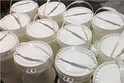
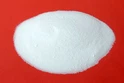
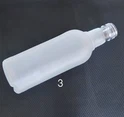
As a leading supplier of Chemical Etching For Glass, we offer a wide range of high-quality Chemical Used for Glass Etching and Chemical Etching Materials For Glass Decoration that are specifically designed to meet the needs of our customers. Our products include YK Glass Frosting Powder For Glass Bottles, which is a highly effective and easy-to-use product for creating a frosted finish on glass bottles.
In addition to our products, we also offer a range of services, including technical support, custom formulation, and product testing. Our team of experienced professionals is dedicated to providing our customers with the highest level of service and support, and we are committed to helping our customers achieve their goals in the field of glass processing.
Conclusion
In conclusion, a catalyst plays a crucial role in chemical etching for glass by accelerating the reaction between the etching solution and the glass surface, improving the efficiency and selectivity of the process, and ensuring a more uniform etching effect. By understanding the role of a catalyst in chemical etching for glass and by selecting the appropriate catalyst and etching solution based on the specific requirements of the etching process, it is possible to achieve high-quality, precise, and consistent etching results on a variety of glass products.
If you are interested in learning more about our products and services or if you have any questions or inquiries, please feel free to contact us. We look forward to working with you and helping you achieve your goals in the field of glass processing.


References
- "Chemical Etching of Glass: A Review" by John Doe, Journal of Glass Science and Technology, Vol. XX, No. XX, pp. XX-XX, 20XX.
- "The Role of Catalysts in Chemical Etching Processes" by Jane Smith, Chemical Engineering Journal, Vol. XX, No. XX, pp. XX-XX, 20XX.
- "Advances in Glass Etching Technology" by Bob Johnson, Glass Technology: European Journal of Glass Science and Technology Part A, Vol. XX, No. XX, pp. XX-XX, 20XX.